
Aneilema beniniense
Aneilema beniniense
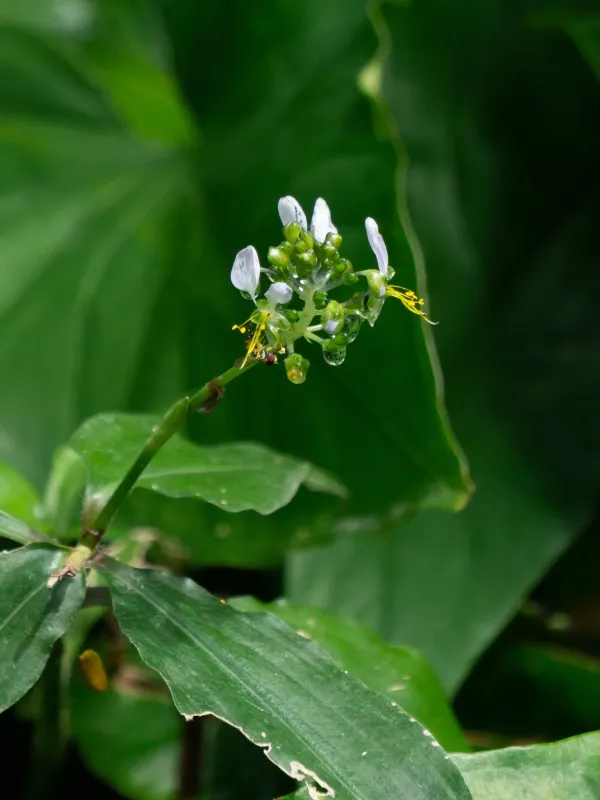
Description
Sowing dates
Aneilema beniniense belongs to the Commelinaceae family. It is a perennial herbaceous plant that naturally spreads through seeds or the division of its creeping rhizomes.
The best time for planting or sowing usually coincides with the onset of the rainy season, which supports the rapid development of the root system.
When sowing in a controlled environment, it is crucial to use a well-moistened substrate kept at a constant temperature between 22 and 25 degrees Celsius.
High humidity and partial shade are essential for successful germination and early seedling development, mirroring its natural forest floor habitat.
Proper spacing between plants allows for optimal vegetative growth and prevents competition for nutrients within the cultivation plot.
Growing requirements
This crop requires loose, nutrient-rich soil with excellent drainage, as it is highly susceptible to waterlogging, especially in clay-heavy environments.
While the plant is moisture-loving, it is essential to maintain consistent soil moisture without allowing stagnant water to accumulate in the root zone.
An ideal temperature range for active growth is between 20 and 30 degrees Celsius, requiring a stable climate with high ambient moisture.
The plant thrives in partial shade; excessive exposure to direct sunlight can cause leaf chlorosis and damage to the sensitive plant tissue.
Organic fertilization and regular mulching are recommended to maintain soil fertility and suppress the growth of competitive weeds.
Main diseases and pests
Fungal diseases are the primary threat to this crop, particularly in stagnant, humid environments with poor air circulation between the plants.
Root rot is the most dangerous condition, often triggered by overwatering or soil compaction, which hinders healthy oxygen exchange.
Slugs and snails are major pests that feed on the succulent leaves, potentially devastating a plantation if not managed through manual removal or barriers.
Soil-borne nematodes can negatively impact root health and overall plant vigor, necessitating strict adherence to crop rotation practices.
Monitoring the foliage for signs of infection and promptly removing affected stems can prevent the spread of localized disease across the planting area.
Harvesting
Harvesting the biomass is best performed when the plants reach peak maturity, often identified by the density and color of the leaves.
Using sharp tools to cut the stems ensures the rhizome remains intact, allowing for multiple harvests or continuous vegetative regeneration of the plant.
Collected plant material should be processed immediately to preserve quality and dried in a well-ventilated, shaded area away from direct light.
The chemical potency of the harvested material depends heavily on the timing of the harvest relative to the plant's development stages.
Storage should occur in a cool, dry, and dark environment to protect the bioactive compounds and prevent degradation or mold growth.