
Aneilema lanceolatum
Aneilema lanceolatum
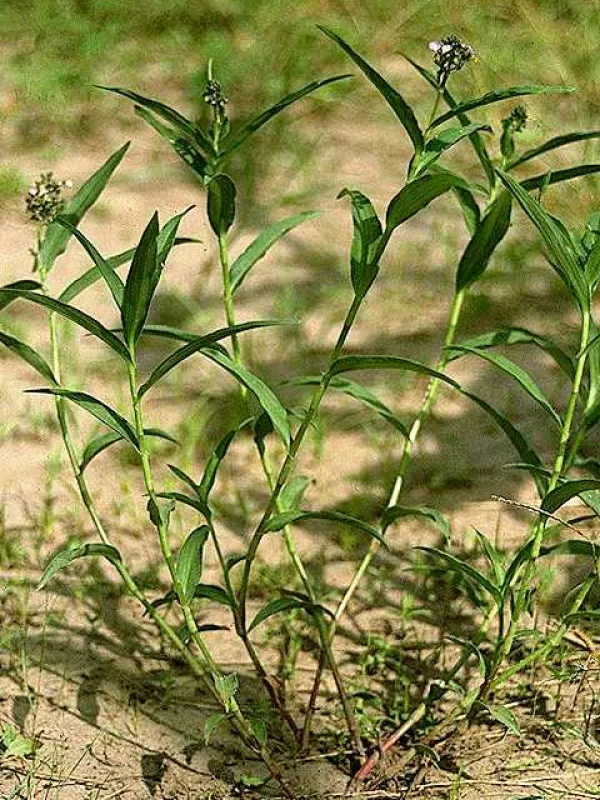
Description
Growing requirements
Aneilema lanceolatum is a member of the Commelinaceae family. This perennial herb is native to tropical regions, primarily distributed across parts of Africa, where it thrives in humid and shaded environments such as forest floors and riparian zones.
To ensure healthy growth, the plant requires consistent moisture and protection from direct, intense sunlight. It is sensitive to rapid temperature drops and performs best in environments that maintain a tropical climate profile throughout its life cycle.
The soil requirements for this crop include a high content of organic matter and good water retention properties. It is essential to ensure that the soil is not overly compacted, as the root system requires adequate aeration to develop effectively.
Agronomic management involves providing consistent water supply, especially during the peak growing season. While the plant can tolerate short periods of humidity fluctuations, prolonged drought conditions will significantly inhibit biomass accumulation and overall yield.
Beyond its ecological role, Aneilema lanceolatum is studied for its potential in local agriculture. It serves as a rapid-growth species that can be utilized in managed landscapes, provided that its specific microclimate preferences are met.
Main diseases and pests
Common threats to Aneilema lanceolatum include fungal diseases related to poor airflow and high humidity. Leaf spot diseases are particularly prevalent, especially when moisture persists on the foliage for extended periods throughout the day.
Pest pressure is often linked to common sap-sucking insects like aphids and mites. These pests target the succulent tissues of the stems and leaves, causing chlorosis and stunting the growth of young plants if left unmanaged.
Managing the plant density is a key agricultural strategy to mitigate disease risks. Proper spacing facilitates better air circulation and reduces the micro-environmental humidity that promotes the growth of pathogens on the plant surface.
Integrated pest management (IPM) practices, including the use of biological control agents and scheduled monitoring, are recommended for large-scale production. Keeping the field free from debris and weeds also helps in preventing pest accumulation.
Maintaining balanced nutrient levels is crucial for structural integrity. Over-fertilization, particularly with nitrogen, can lead to succulent growth that is disproportionately attractive to herbivores and more susceptible to environmental stressors.