
Aneilema aequinoctiale
Aneilema aequinoctiale
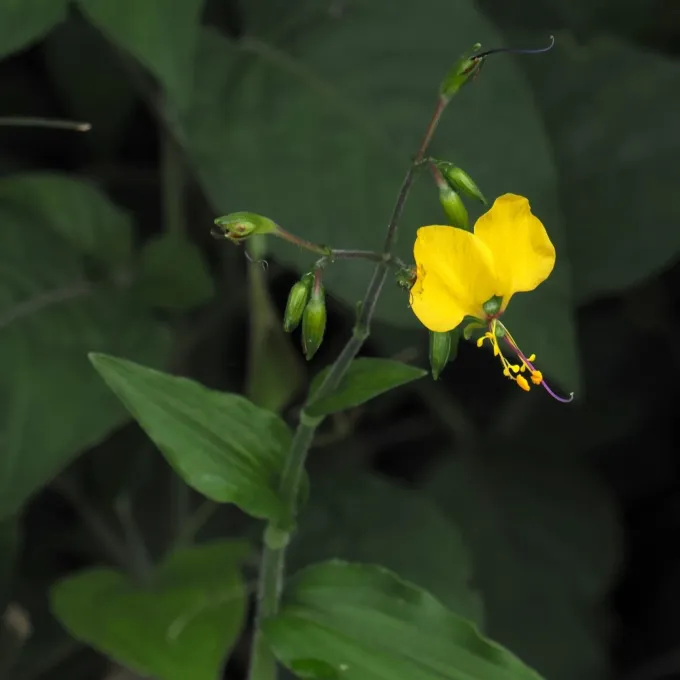
Description
Sowing dates
Sowing Aneilema aequinoctiale typically begins in the spring when temperatures consistently range between 20–22°C. The seeds require a moist, well-draining medium to break dormancy and initiate successful germination.
In commercial cultivation, seeds are sown in trays with a fine-textured substrate, often covered with a thin layer of vermiculite to maintain high local humidity around the seeds without drowning them.
Providing a consistent, warm environment is critical during the initial stages. A misting system or propagation dome is recommended to prevent the surface of the soil from drying out during the crucial first weeks of development.
Once seedlings emerge, they should be gradually acclimated to lower humidity levels and higher light intensities. This hardening-off process is essential for building plant resilience before transplanting to permanent locations.
Transplanting is best conducted when the plants reach a height of 5–7 centimeters. Careful handling of the root system is required, as the young roots of Aneilema species can be brittle and prone to breakage during mechanical manipulation.
Growing requirements
As a member of the Commelinaceae family, Aneilema aequinoctiale thrives in conditions typical of tropical forest floors. It prefers bright, indirect sunlight, as direct exposure can easily bleach the leaves and damage tissue integrity.
The optimal soil profile for this crop is a nutrient-rich, organic-based mix with a neutral pH. Proper drainage is the most vital physical property of the substrate, preventing the accumulation of excess water near the roots.
Temperature management should be strictly monitored, with an ideal growing range between 22°C and 28°C. Growth significantly decelerates below 15°C, and prolonged cold exposure can lead to irreversible cellular damage.
Humidity requirements are high, ideally maintained above 70%. In commercial greenhouse settings, supplemental fogging or humidification systems are necessary to replicate the plant's native ecological niche effectively.
Fertilization regimes should prioritize balanced NPK ratios during the active growth period. Micronutrient supplementation, particularly iron and magnesium, is beneficial for maintaining vibrant green leaf color and metabolic efficiency.
Main diseases and pests
Fungal pathogens such as Rhizoctonia and Pythium are the primary threats to Aneilema aequinoctiale. These pathogens thrive in poorly ventilated environments or soils that remain excessively waterlogged for long durations.
Pests like spider mites and aphids are frequently observed in controlled environments. These insects target the underside of the leaves and growing points, significantly reducing the vigor and aesthetic quality of the crop.
Cultural control measures include consistent pruning of senescent or necrotic foliage to reduce the substrate for fungal colonizers. Maintaining adequate spacing between plants allows for improved airflow, which is a major deterrent for most diseases.
Integrated pest management (IPM) strategies, including the introduction of predatory mites or biological sprays, are often effective in reducing reliance on synthetic pesticides, especially in greenhouse conditions.
Monitoring for signs of nutritional stress is also important, as plants in poor health are significantly more susceptible to opportunistic infections. Regular soil and tissue testing can provide early indicators of underlying physiological problems.