
Aneilema umbrosum
Aneilema umbrosum
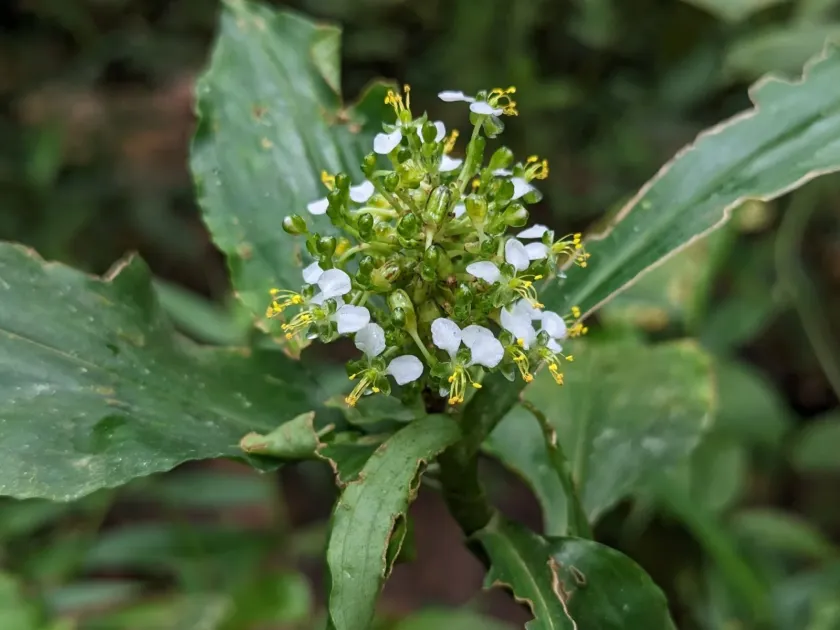
Description
Growing requirements
Aneilema umbrosum is a herbaceous plant belonging to the Commelinaceae family, native to the tropical regions of Africa. It has evolved to thrive in humid, shaded environments such as forest floors, which defines its specific cultivation requirements.
The plant features creeping stems that readily root at the nodes, allowing it to spread effectively across the ground. Its leaves are typically lanceolate or ovate, characterized by a lush green appearance adapted to capturing low-intensity light in dense shade.
Cultivation requires a climate with consistent warmth and high humidity levels. Extreme fluctuations in temperature or direct exposure to intense sunlight can significantly damage the foliage and inhibit the plant's natural growth cycle.
Soil requirements focus on high organic matter content and excellent moisture retention capabilities. A well-draining yet damp substrate is essential to support the rapid development of its fibrous root system without causing waterlogging.
In agricultural settings, Aneilema umbrosum is often valued as a groundcover species or a forage resource in specific tropical climates. Its ability to create a dense vegetative mat helps preserve soil moisture and prevent surface erosion on plantations.
Main diseases and pests
The primary threats to Aneilema umbrosum include fungal infections such as leaf blight and root rot, which are often triggered by excessive soil moisture and inadequate air circulation within the canopy.
Insect pests including aphids and spider mites are common concerns, particularly when the plants are cultivated in greenhouse conditions. These pests feed on the nutrient-rich sap of the leaves, causing chlorosis and stunted development.
Slugs and snails present a seasonal challenge, especially in open-field cultivation during rainy periods. They can cause substantial damage to tender stems and newly formed leaves, necessitating careful monitoring and barrier protection.
Bacterial soft rot can occur if the plant tissue remains saturated for prolonged periods. Maintaining hygiene in the growing area and avoiding overhead irrigation during cooler hours can mitigate the risk of pathogen transmission.
Integrated pest management strategies are recommended, focusing on the use of beneficial insects and biological controls rather than harsh chemicals. Maintaining optimal plant density is crucial to ensure that sufficient air moves between individual specimens.