
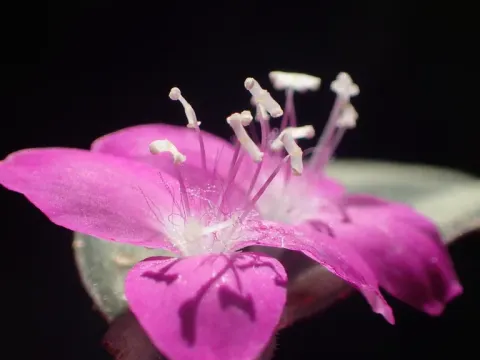
Campelia
Campelia
Campelia is a genus of perennial herbaceous plants belonging to the Commelinaceae family. Often valued for its aesthetic appeal, this plant is primarily cultivated in controlled environments such as greenhouses, conservatories, or as an ornamental houseplant.
What the section contains

Campelia
Native to the tropical regions of the Americas, Campelia thrives in humid and shaded forest environments. Its biological profile dictates that it requires stable, warm temperatures throughout the year, as it lacks the cold-hardiness necessary for outdoor cultivation in temperate climates.
The ideal substrate for Campelia should be rich in organic matter, well-draining, and slightly acidic. It is crucial to prevent waterlogging, as the fleshy root systems of these plants are highly susceptible to rot when kept in consistently saturated soils.
Regarding light conditions, Campelia prefers bright, indirect light. Direct sunlight is generally harmful, as it can cause chlorophyll degradation, leaf scorch, or bleached foliage. Maintaining high ambient humidity is essential, especially when growing the plant in indoor conditions with central heating.
Agricultural management includes balanced fertilization during the growing season and careful monitoring of watering cycles. By mimicking its natural tropical habitat, cultivators ensure that the plant retains its characteristic lush foliage and maintains a robust growth rate.
Common pests affecting Campelia include spider mites and mealybugs, which thrive in environments with low humidity. Regular inspections of the undersides of the leaves are recommended to catch infestations early and prevent damage to the plant tissue.
Pathogenic threats are usually associated with overwatering, which facilitates the growth of fungal pathogens such as Pythium and Rhizoctonia. Maintaining proper spacing and air circulation around the plants is the primary strategy for preventing these fungal outbreaks.