
Aneilema pomeridianum
Aneilema pomeridianum
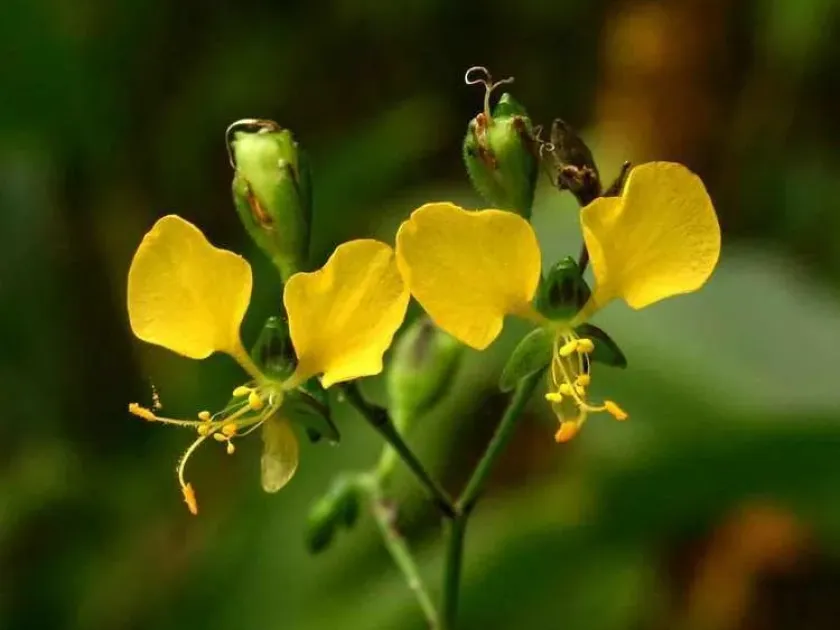
Description
Sowing dates
Aneilema pomeridianum, a member of the Commelinaceae family, requires a specific approach to its cultivation cycle. The optimal sowing time begins when soil temperatures consistently stay above 15 degrees Celsius, ensuring favorable germination conditions.
Given the small size of the seeds, they should be sown at a shallow depth of approximately 1 to 2 centimeters. Maintaining consistent moisture in the upper soil layer immediately after sowing is essential to support the initial stages of plant development.
In large-scale agricultural production, row planting is preferred to ensure optimal spacing, which promotes healthy photosynthesis and reduces competition for nutrients. Excessive plant density must be avoided to prevent the spread of fungal diseases.
Seedlings typically emerge within 10 to 14 days under suitable conditions. During this period, weed control is of paramount importance to ensure the young plants are not overwhelmed by faster-growing competitors in the field.
For regions with shorter growing seasons, starting plants indoors or in greenhouses is an effective strategy. This method allows for stronger root establishment before transplanting the crop into open field conditions.
Growing requirements
This crop thrives in areas with high light exposure, as it prefers bright, direct sunlight for the majority of the day. Reduced light conditions often lead to undesirable stem elongation and a significant decrease in overall biomass production.
Well-drained sandy loam or light loamy soils are ideal for Aneilema pomeridianum. The crop is highly sensitive to waterlogging, as stagnant water in the root zone can quickly lead to decay and systemic health issues.
The plant performs best in a temperature range between 20 and 28 degrees Celsius. Being a warm-season crop, it is highly sensitive to frost, which makes proper timing of planting and harvesting essential for commercial success.
While moisture is necessary for active growth, water should be applied with precision. Drip irrigation systems are highly recommended to provide consistent soil moisture without saturating the surface or promoting damp conditions.
Fertilization should focus on balanced nutrient availability. Phosphorous and potassium should be applied as a pre-planting base, while nitrogen applications are best reserved for the early stages of the growing season to boost canopy growth.
Yield
Yield efficiency is directly linked to the precision of agricultural management and the level of solar radiation received by the crop. Under ideal conditions, Aneilema pomeridianum develops a dense, productive canopy of foliage.
Maintaining a planting density of 25 to 30 plants per square meter is considered optimal for achieving a high yield. This spacing ensures that each plant has sufficient access to soil nutrients and aerial space for growth.
Biomass accumulation continues steadily throughout the summer months until the first significant drop in temperature in the autumn. Effective weed management practices during the season have been shown to increase total yield by a substantial margin.
Consistent and timely fertilization can extend the active growth period, resulting in a 15 to 20 percent increase in harvestable material compared to plots that do not receive supplemental nutrients.
Sheltering the crop from strong winds is advisable, as the delicate structure of the plants can suffer physical damage, leading to reduced product quality and harvest volume.
Main diseases and pests
Fungal pathogens, particularly root rots, are common threats, especially if soil moisture levels are not managed correctly. Preventative measures include proper irrigation scheduling and the use of fungicides at the first sign of distress.
Pests such as aphids and spider mites can become significant problems during hot and dry weather periods. Regular inspection of the undersides of the leaves is necessary to catch and treat infestations before they spread.
Slugs and snails are known to damage young leaves and sprouts early in the season. Utilizing physical barriers or approved molluscicides can effectively mitigate this risk to the young plant population.
Bacterial leaf spots can emerge in poorly ventilated areas or overly dense planting patterns. Promoting good air circulation through spacing and regular manual weeding are essential preventative measures against these infections.
Maintaining clean farming equipment and strictly adhering to crop rotation schedules are foundational strategies for preventing the long-term buildup of soil-borne pathogens in the production field.
Harvesting
Harvesting is best conducted in the early morning hours, once the dew has evaporated, to ensure the harvested material retains its maximum fresh quality and structural integrity.
Using sharp tools for harvesting is crucial to avoid tearing or crushing the plant tissues, which can accelerate post-harvest decay. On larger farms, mechanized harvesting equipment with adjustable height settings is often used.
Post-harvest material must be moved quickly to a processing facility to avoid nutrient loss through wilting or self-heating. Stacking material in large, unventilated piles is strictly discouraged as it degrades product quality.
Drying is an essential part of post-harvest processing for many applications. This should be carried out in shaded, well-ventilated areas where the material is spread in thin layers to ensure uniform moisture loss.
Once dried to the appropriate moisture content, the product should be stored in a cool, dry place. Proper packaging protects the material from environmental humidity and secondary infestations during long-term storage.