
Alloxylon
Alloxylon
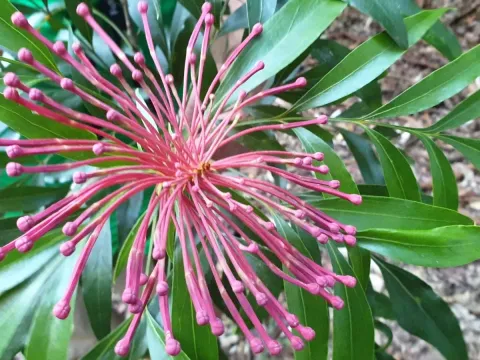
Alloxylon is a genus of evergreen trees belonging to the Proteaceae family. Originating from the tropical and subtropical forests of Australia and New Guinea, these plants are renowned for their striking floral displays and ornamental foliage in their native habitats.
What the section contains


Alloxylon
The culture requires well-draining, acidic to neutral soil conditions. Due to the sensitive nature of their proteoid root systems, these plants cannot tolerate heavy or waterlogged substrates, which leads to immediate root decay and loss of vigor.
Climate requirements include constant warm temperatures, as Alloxylon is highly frost-sensitive. Successful cultivation in non-tropical regions is only possible within controlled glasshouse environments where temperatures remain stable year-round.
Light intensity is another critical factor; young specimens require filtered light to prevent leaf scorch, while mature trees can tolerate more exposure. Proper placement in an greenhouse environment is essential for the healthy development of the canopy.
Agronomic management requires low-phosphorus fertilizers, as species in the Proteaceae family are prone to toxicity if nutrient levels are unbalanced. Careful irrigation with soft, lime-free water is recommended to maintain optimal soil pH levels.
Root rot caused by Phytophthora species represents the most significant threat to Alloxylon plantations. These oomycetes thrive in damp, stagnant conditions, making drainage management the cornerstone of disease prevention for this crop.
Pests such as mealybugs and spider mites frequently infest Alloxylon under glasshouse conditions. High humidity levels and frequent air circulation help deter these insects, but regular inspections remain necessary for early detection.
Fungal leaf spot diseases may occur when plants are subjected to poor ventilation. Removing infected foliage and improving the airflow within the cultivation area are primary steps for management and containment of such outbreaks.
Nutrient deficiency, specifically related to iron and magnesium, is common when the soil pH deviates from the optimal range. This manifests as chlorosis, which can be corrected by adjusting the soil chemistry and utilizing appropriate chelated minerals.
Systemic fungicide treatments are advisable as a preventative measure in intensive nursery settings to ensure that the plants reach maturity without fungal interference. Sterilizing all pruning tools is essential to prevent cross-contamination.