
Alloplectus
Alloplectus
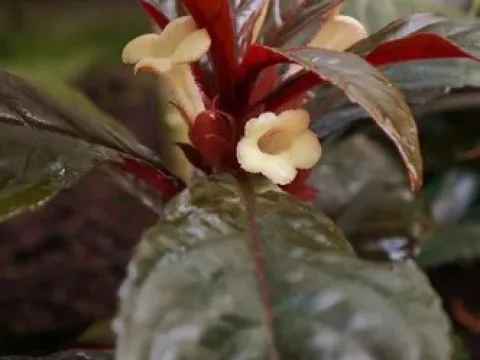
Alloplectus is a genus of flowering plants belonging to the family Gesneriaceae. These plants are native to the tropical forests of Central and South America, where they thrive under the canopy, benefiting from high humidity and filtered light.
What the section contains

Alloplectus
For successful cultivation, Alloplectus requires a controlled environment such as a greenhouse, conservatory, or a dedicated terrarium. Maintaining humidity levels above 70% is essential for the plant to avoid wilting and to support its vibrant foliage and unique blooms.
The potting medium must be light, porous, and nutrient-rich, mimicking the organic debris found on forest floors. A mixture consisting of peat moss, perlite, and bark is ideal for maintaining the necessary balance between moisture retention and root aeration.
Exposure to direct sunlight should be avoided as the leaves are highly sensitive to burning. Bright, indirect light is necessary for at least 10–12 hours a day, which often requires the use of supplemental LED lighting during shorter winter days.
Temperature management is crucial, with an ideal range between 20°C and 25°C. The plant is extremely susceptible to cold drafts and temperatures falling below 16°C, which can lead to shock and physiological stress that stops the growth process.
Pest management for Alloplectus focuses primarily on controlling spider mites, mealybugs, and aphids. These insects thrive in confined spaces, necessitating regular monitoring and the prompt application of insecticidal soaps or systemic pesticides when necessary.
Fungal diseases like root rot and grey mold are common issues resulting from improper drainage or excessive soil moisture. Proper sanitation of tools, adequate air circulation, and avoiding overhead watering are fundamental practices to prevent these plant infections.