
Alloplectus capitatus
Alloplectus capitatus Hook.
Description
Growing requirements
Alloplectus capitatus is a notable member of the Gesneriaceae family. This perennial plant is native to the tropical rainforests of Central and South America, where it thrives in shaded, humid environments under the forest canopy.
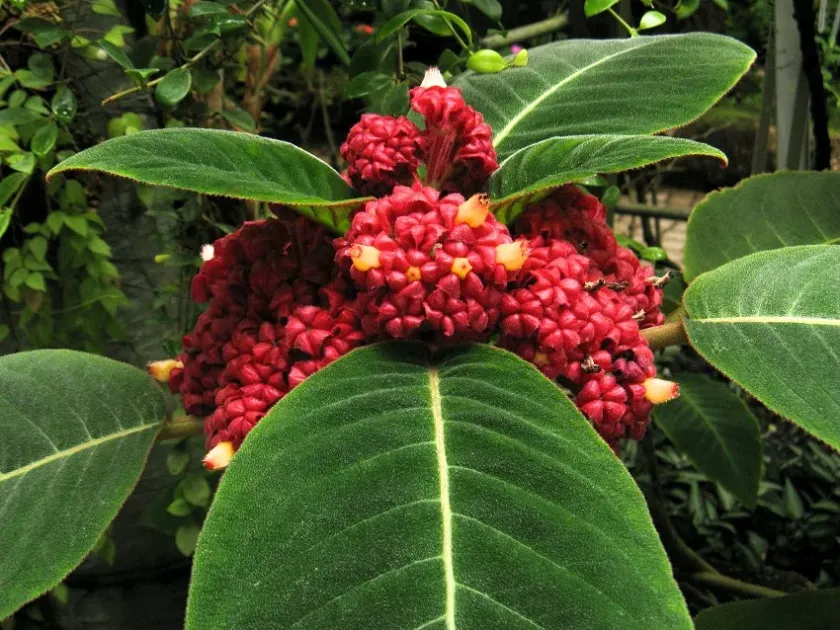
Botanically, it is characterized as a subshrub with woody, hairy stems and large, opposite leaves. The plant's most distinct feature is its clustered, head-like inflorescences, which emerge from the leaf axils, providing a unique aesthetic appeal for specialized collections.
The cultivation of this species requires strict adherence to tropical conditions. It prefers temperatures between 20°C and 25°C and cannot withstand frost or significant temperature fluctuations. Maintaining consistent, high ambient humidity is crucial for the plant's physiological health.
Soil requirements involve a well-draining, acidic, and porous substrate. A typical mix includes peat moss, perlite, and bark to ensure sufficient aeration for the roots while retaining just enough moisture for healthy metabolic processes.
In terms of agricultural and horticultural use, Alloplectus capitatus is primarily utilized in botanical conservatory displays and as an ornamental species for specialized greenhouse cultivation. It remains a prized subject for collectors interested in the biodiversity of tropical Gesneriads.
Main diseases and pests
Pathogenic threats to Alloplectus capitatus are dominated by root rot and fungal infections caused by overwatering or compacted substrate. Ensuring the substrate does not become waterlogged is the primary preventative measure against these diseases.
Pest issues typically include spider mites and mealybugs, which thrive in indoor environments with poor ventilation or low humidity. Integrated pest management, focusing on maintaining optimal environmental conditions and occasional botanical insecticide applications, is effective for long-term health.