
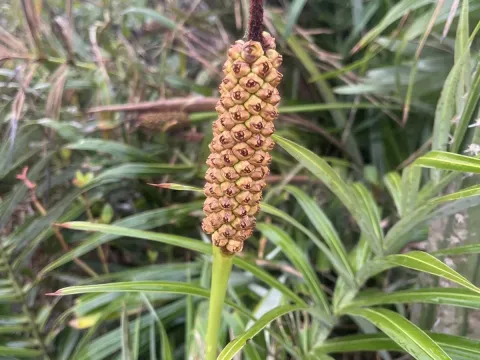
Allagoptera
Allagoptera
Allagoptera is a genus of flowering plants belonging to the Arecaceae family. Unlike typical tall palm trees, these plants are often characterized by their prostrate or subterranean stems, giving them a distinct low-growing appearance.
What the section contains


Allagoptera
Native to the tropical regions of South America, specifically Brazil, the species has evolved to thrive in savannas and coastal sandy environments where drainage is rapid and sunlight is abundant.
In terms of cultivation, Allagoptera requires loose, sandy soil with excellent drainage properties. It is highly adapted to poor soil conditions, provided that it receives sufficient light for photosynthesis.
Climate requirements for this culture are centered around warm temperatures. It lacks frost tolerance, making it suitable only for regions with stable, warm weather conditions throughout the year.
The economic value of this culture is rooted in its edible fruits and the oil-bearing capacity of its seeds. Furthermore, its leaves are utilized by local communities for weaving baskets and various artisanal crafts.
The primary agricultural threat to Allagoptera is root rot, which is almost exclusively caused by over-irrigation or poorly drained soil substrates. Proper water management is essential for survival.
Pest pressure often comes from palm weevils, which target the apical meristem of the plant, potentially causing irreversible damage if not detected and treated early.
Scale insects and spider mites are also common threats, particularly when the plants are grown in environments with poor ventilation or low humidity levels.
Management strategies involve keeping the area surrounding the base of the plant free from organic debris to prevent the buildup of fungal spores and hiding spots for pests.
Integrated pest management (IPM) practices, including the use of targeted biological controls and periodic sanitation, are recommended to maintain the productivity of the crops.