
Allagoptera caudescens
Allagoptera caudescens
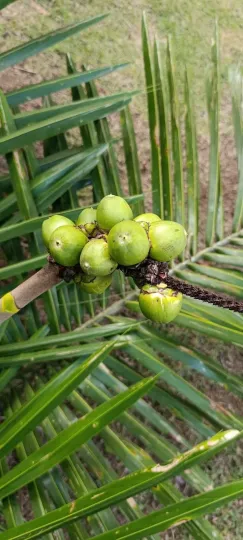
Description
Growing requirements
Allagoptera caudescens is a distinct species belonging to the Arecaceae family. Known for its elegant structure, this palm is native to the coastal regions of Brazil, thriving in tropical environments where humidity levels remain consistently high throughout the year.
The cultural requirements for this plant are stringent, focusing primarily on stable thermal conditions. It is an exclusively tropical species that cannot withstand temperatures below 15-18 degrees Celsius, making it suitable only for warm climates or greenhouse cultivation.
Soil quality is paramount for the healthy growth of this palm. It requires a substrate with excellent aeration and drainage properties. Composting materials should be mixed with volcanic rock or coarse sand to prevent root asphyxiation during the watering process.
Light management requires a balance between sufficient photosynthesis and protection from scorched leaves. Under direct tropical sun, young specimens often require shading, while mature plants can adapt to higher light intensities provided the atmospheric humidity is sufficient.
In terms of agricultural management, regular fertilization during the growing season is crucial. A balanced NPK fertilizer with added micronutrients helps maintain the vibrant green color of the foliage and supports the steady development of the stem structure.
Main diseases and pests
Pests such as spider mites and scale insects are common threats to Allagoptera caudescens. These pests thrive in indoor or greenhouse settings where the air is stagnant or overly dry, necessitating routine misting of the fronds.
Fungal pathogens often invade the root zone if the drainage is inadequate. Root rot, caused by species like Phytophthora or Pythium, can be devastating, making proper soil moisture control the most effective preventative measure for the grower.
If an infestation occurs, chemical interventions should be targeted. Horticultural oils are effective against scales, while specific miticides are required to control mite populations before they cause significant yellowing and leaf necrosis.
Nutrient deficiencies, specifically magnesium or iron, may manifest as leaf yellowing between the veins. Soil pH testing is recommended to ensure that the nutrients are bioavailable to the palm roots, as improper pH can lock out essential minerals.
Sanitation practices involve the careful removal of old, necrotic leaves which can harbor pests or fungal spores. Using sterilized pruning tools ensures that no pathogens are inadvertently introduced to the vascular system of the palm during maintenance.