
Allagoptera leucocalyx
Allagoptera leucocalyx
Description
Growing requirements
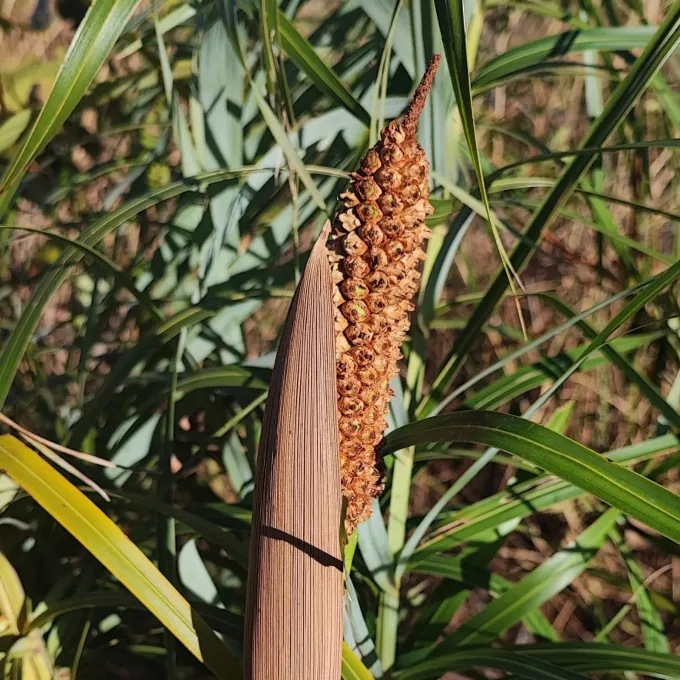
Allagoptera leucocalyx is a distinct member of the Arecaceae family, primarily native to the South American cerrado regions. Unlike many tall palm trees, this species is noted for its compact, ground-hugging growth habit. It thrives in open, sun-drenched environments, functioning as an essential part of the local biodiversity in countries such as Paraguay and Brazil.
Soil requirements for this palm are quite specific: it demands excellent drainage. In nature, it grows in sandy or rocky soils that do not hold water for long periods. Cultivators should ensure that the planting site prevents waterlogging, as the roots are highly susceptible to rot when subjected to stagnant moisture conditions. Soil pH should ideally range from slightly acidic to neutral.
Climatic conditions are the primary limiting factor for widespread cultivation. Allagoptera leucocalyx is strictly a tropical crop, requiring high average temperatures throughout the year to maintain metabolic activity. It does not possess significant frost tolerance, making it unsuitable for areas prone to cold snaps or freezing winters, even for short durations.
Agrotechnical management revolves around balancing irrigation during the growing season. While the species is drought-resistant, consistent water supply during the fruit-set phase significantly improves yield quality. Weed management should be done manually around the base of the plant to avoid damaging the shallow, sensitive root system typical of this palm species.
The agricultural value of Allagoptera leucocalyx extends to its versatile fruit, which is harvested for local consumption. In addition to food, the fibrous leaves provide raw material for traditional handicrafts and roofing, offering an additional income stream for farmers. Sustainable harvesting practices are encouraged to ensure the longevity of the plant populations.
Main diseases and pests
Disease pressure is primarily linked to environmental management. Root pathogens such as Pythium and Phytophthora are the most frequent causes of decline in commercial plantings, usually triggered by poor drainage or over-irrigation. Prevention through proper soil aeration is more effective than any chemical treatment.
Pest management focuses on mitigating attacks from coleopteran insects that target the stem and the apical meristem. Regular scouting for early signs of infestation is crucial. Because the fruit is utilized for human consumption, integrated pest management (IPM) strategies, which prioritize biological controls over synthetic pesticides, are highly recommended.