
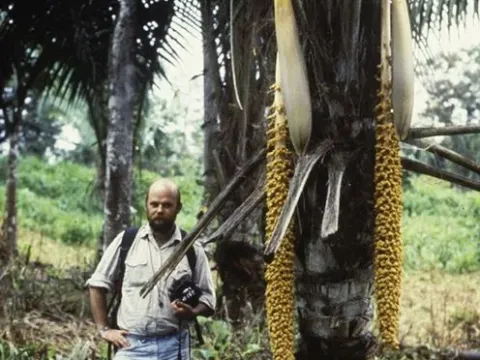
Aphandra
Aphandra
Aphandra (Aphandra natalia) is a perennial palm species native to the tropical rainforests of South America. Propagation is primarily carried out through seeds, which require specific conditions for germination.
What the section contains

Aphandra
Seeds should be sown in controlled nursery environments to ensure optimal humidity and temperature. A well-draining substrate is crucial to prevent early-stage rotting of the delicate seeds.
Seedlings remain in the nursery phase until they develop a strong root system, which usually takes several months. This period ensures higher survival rates once they are transplanted into the field.
Transplanting is best performed at the onset of the rainy season to allow the plants to establish themselves in the natural environment before facing potential dry spells.
Proper spacing is essential to ensure that each palm has sufficient access to sunlight and soil nutrients, which directly impacts long-term growth and productivity.
Aphandra thrives in a warm and humid tropical climate. Constant temperatures between 22 and 28 degrees Celsius are ideal for healthy development throughout the year.
The plant prefers fertile, loamy soils that are rich in organic matter. Good drainage is non-negotiable, as waterlogged soil can lead to fatal root infections in this palm species.
While young palms can tolerate moderate shade, mature Aphandra plants require direct sunlight to maximize their fruit yield and maintain vigorous growth.
Water availability is critical, and during extended periods of low rainfall, irrigation may be necessary to support the plant's high metabolic rate.
Periodic fertilization with organic compounds helps replenish soil nutrients depleted by the palm, ensuring consistent production over the life cycle of the plantation.
The primary agricultural output of Aphandra consists of its fruit, which contains valuable oils. The harvest quantity depends on the maturity of the palm and the quality of field management.
Mature plantations can yield fruit multiple times a year if environmental stressors are kept at a minimum and management practices are consistently applied.
The oil content is highly valued for its chemical properties, making the fruit a niche yet promising product for the food and cosmetics industries.
Efficiency in harvesting and processing significantly influences the overall economic viability of an Aphandra farm, encouraging farmers to adopt best practices.
Ongoing research into yield optimization aims to identify high-performing genetic lines, which could further increase the productivity of these tropical palms.
Root rot is one of the most common threats to Aphandra, often exacerbated by poor drainage and excessive moisture accumulation in the soil.
Palm weevils pose a significant danger to plantations, as they can burrow into the trunk and damage the palm's internal vascular system, leading to structural decline.
Insects that feed on young foliage can stunt growth and weaken the plant, making it more susceptible to opportunistic secondary infections.
Regular field inspections and the immediate removal of diseased or heavily infested plants are essential to prevent the spread of pathogens across the plantation.
Integrated pest management strategies, emphasizing biological controls, are recommended to maintain the health of the ecosystem and avoid excessive chemical use.
Harvesting Aphandra is a labor-intensive manual process. Workers must navigate around the palm's spines, which cover the trunk and sections of the fruit clusters.
Timing the harvest based on fruit color changes is crucial to ensure that the oil content reaches its peak quality without losing yield to premature drop.
Once harvested, the fruit clusters must be processed promptly to extract the seeds and prevent oxidation, which can compromise the quality of the final oil product.
The harvested material should be kept in well-ventilated storage areas to manage humidity and temperature until it is ready for crushing or further industrial processing.
Effective logistics from the plantation to the processing site are key to maintaining the freshness and quality of the harvested produce.