
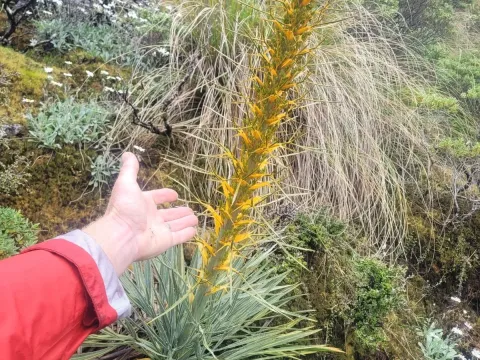
Aciphylla
Aciphylla
Aciphylla seeds require a period of cold stratification to germinate effectively. In temperate climates, sowing in late autumn in outdoor containers is the most reliable method for successful propagation.
What the section contains


Aciphylla
If sowing indoors, place the seeds in a damp substrate and store them in a refrigerator for several weeks before moving them to a cool, bright area to mimic spring conditions.
The seeds should be sown sparsely, as the seedlings do not tolerate competition. A well-draining, grit-based seed mix is essential to prevent damping-off, which is a major risk for young plants.
Seedlings develop a long taproot early in their growth cycle. Care must be taken during transplantation to avoid disturbing the root system, which can cause significant stress or death.
Gradual hardening off is necessary before planting them in their permanent position. Ensure they receive adequate light while protecting them from extreme heat during the first stages of growth.
Belonging to the Apiaceae family, Aciphylla is adapted to the harsh conditions of alpine regions. Success in cultivation depends entirely on replicating these conditions, particularly the need for sharp drainage.
The ideal soil is poor, rocky, and mineral-rich. Avoid using high-nitrogen fertilizers, as they encourage rapid, weak growth that makes the plant susceptible to diseases and winter damage.
Aciphylla thrives in full sun but prefers cool, airy locations. In hot climates, providing afternoon shade and ensuring maximum airflow is crucial to prevent the plant from overheating.
Watering should be deep but infrequent. Always ensure the root zone dries out significantly between waterings, as the plant is highly prone to rot in waterlogged or heavy soils.
Mulching with coarse gravel around the collar of the plant is standard practice. This keeps the crown dry and prevents the leaves from coming into direct contact with wet soil.
Root rot is the most common threat to Aciphylla, typically caused by poor drainage or overwatering. Symptoms include wilting and a sudden collapse of the plant's structural integrity.
Aphids can be a nuisance during the flowering period, particularly clustering on the flower stalks. Regular monitoring and physical removal are usually sufficient for small-scale garden plantings.
Slugs and snails can consume young foliage, especially during damp spring weather. Implementing physical barriers such as crushed shells or copper tape can help protect the vulnerable crowns.
Fungal leaf spots may occur if air circulation is poor or if moisture is trapped within the dense leaf rosettes. Thinning out surrounding plants helps to maintain a healthy environment.
The health of the plant is best maintained by removing old, desiccated leaves from the base, which reduces the potential for pest and fungal colonization in the heart of the plant.