
Aciphylla squarrosa
Aciphylla squarrosa
Description
Growing requirements
Aciphylla squarrosa, commonly known as the Spaniard or Speargrass, is a distinctive perennial belonging to the Apiaceae family. It is endemic to New Zealand, where it thrives in diverse habitats, including coastal regions and mountainous terrain.
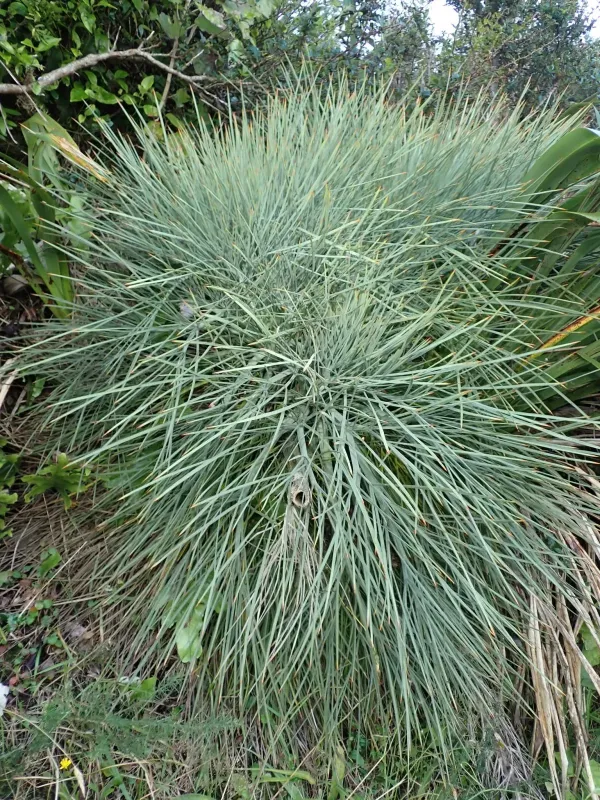
The plant is characterized by its dramatic, spiky, rigid leaves that radiate from a central crown. These leaves are razor-sharp, serving as a natural defense mechanism in the wild, which makes the plant both beautiful and intimidating.
For successful cultivation, excellent drainage is the absolute priority. The species is highly susceptible to root rot if grown in heavy, waterlogged soils, so rocky or sandy substrates are essential for its longevity.
It requires a full sun exposure to maintain its compact, structural form. Aciphylla squarrosa is well-suited for xeriscaping or alpine rock gardens, where its architectural foliage can stand out against softer plant species.
Economically, it is valued primarily in landscape architecture. Its formidable appearance allows it to be used as a biological fence or an ornamental accent piece in specialized horticultural projects that emphasize native or low-maintenance flora.
Main diseases and pests
Root rot remains the most significant threat to Aciphylla squarrosa. Overwatering or poor drainage often leads to rapid decay of the taproot, which is usually irreversible once the symptoms become visible in the leaf structure.
Slugs and snails present a seasonal challenge, especially to juvenile plants. These pests can cause disfigurement by feeding on the tender base of the leaves, which significantly impacts the plant's aesthetic value and growth rate.
Fungal infections, such as leaf spot, may occur in conditions of high humidity combined with poor air circulation. Proper plant spacing is a critical agronomic requirement to prevent the spread of spores between individuals.
Insects like aphids occasionally congregate on the flower spikes during the reproductive phase. While they rarely kill the plant, they can distort the development of seeds and inflorescences, reducing the visual appeal of the culture.
Effective management involves monitoring and strict adherence to moisture requirements. Removing dead foliage and keeping the base of the plant free from organic debris helps maintain hygiene and prevents the accumulation of pathogens.