
Aciphylla colensoi
Aciphylla colensoi
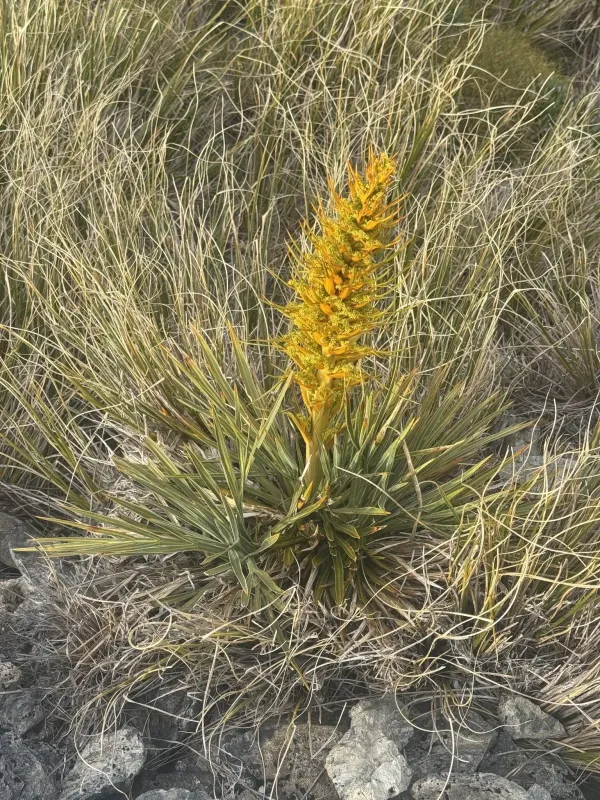
Description
Growing requirements
Aciphylla colensoi, commonly referred to as Colenso speargrass, is a distinctive member of the Apiaceae family. It is native to the subalpine regions of New Zealand, where it has evolved to thrive in harsh, exposed environmental conditions.
For successful cultivation, the plant requires a climate that mimics its natural high-altitude habitat. It performs best in regions with cool temperatures and low humidity, as high heat combined with moisture can be detrimental to its growth cycle.
The soil requirements are strict: the plant necessitates extremely well-draining, gravelly, or sandy soils. It is highly intolerant of waterlogged conditions and prefers a neutral to slightly acidic pH level with very low nutrient input.
Agronomic management focuses primarily on ensuring efficient water management and soil aeration. Minimal irrigation is required once the plant is established, as the species is accustomed to relatively dry periods in its native alpine landscape.
In modern agricultural and horticultural practice, this species is utilized mainly in specialized rock garden landscaping. Its architectural structure and sharp leaf blades make it a prized specimen for botanical collections and ornamental gardening.
Main diseases and pests
The most significant threat to Aciphylla colensoi is root rot, which typically develops when the plant is subjected to poor soil drainage or excessive irrigation. Once rot begins, it is often difficult to treat effectively.
Pests such as aphids and occasionally various species of weevils can cause damage to the foliage. Monitoring and ensuring that the plant is not under environmental stress are the best preventative measures against pest infestations.