
Aciphylla scott-thomsonii
Aciphylla scott-thomsonii
Description
Growing requirements
Aciphylla scott-thomsonii is a member of the Apiaceae family, native to the high-altitude subalpine zones of New Zealand. This striking plant is celebrated for its rigid, sword-like foliage and unique architectural presence in alpine landscapes.
To cultivate this species successfully, gardeners must mimic its natural habitat. This means providing very sharp drainage and sandy, lean soil. It thrives in conditions that would be considered too harsh for many other ornamental species.
The plant demands full sunlight and good air circulation to maintain its structural integrity. In regions with high humidity or heavy rainfall, extra care must be taken to ensure the crown of the plant remains dry to prevent rot.
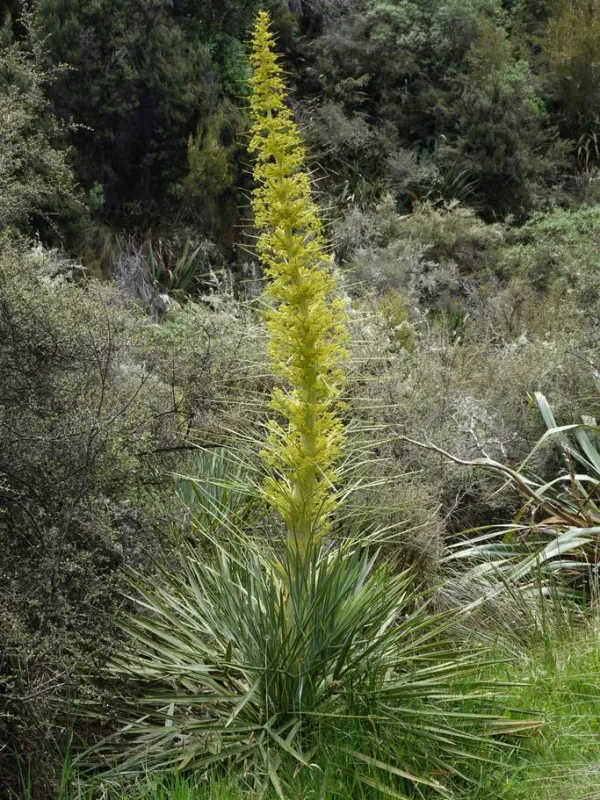
Botanically, it forms a large, dense rosette of leaves that are notoriously sharp. During the reproductive phase, it produces a tall, central flower spike that is highly characteristic of the genus and serves as a significant biological focal point.
In terms of agricultural and horticultural use, it is prized as a specimen plant for rock gardens and xeriscaping. Its slow growth rate and unique form make it a prized choice for specialized landscape designs focusing on native or alpine ecosystems.
Main diseases and pests
The most significant threat to Aciphylla scott-thomsonii is root rot, often triggered by waterlogged soil conditions. Ensuring the growing medium is perfectly drained is the best defense against fungal pathogens.
Slugs and snails are the primary pests that damage the foliage. Due to the sharp nature of the leaves, physical damage is often localized, but these pests can still disfigure the plant's aesthetic appeal in spring.
Weed competition is a major issue because the species is slow-growing and cannot compete with aggressive grasses or invasive broadleaf plants. Regular maintenance and manual weeding are necessary in the immediate vicinity of the plant.
Soil-borne larvae and various insects can attack the base of the rosette. Proper soil sterilization before planting and monitoring the base for signs of boring insects can help mitigate these risks.
Improper nutrient management can lead to the decline of the plant. Since it is adapted to nutrient-poor alpine soils, excessive fertilization can lead to weak growth, making the plant more susceptible to diseases and environmental stress.