
Fierce Spaniard
Aciphylla ferox
Description
Sowing dates
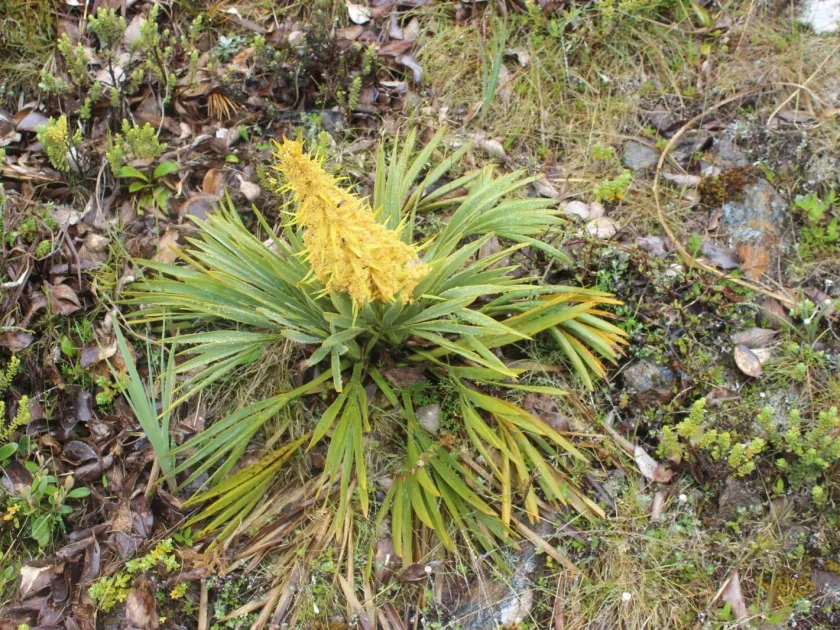
The Fierce Spaniard (Aciphylla ferox) is a distinctive member of the Apiaceae family. Propagation is primarily achieved through seeds, which require a period of cold stratification to break dormancy and ensure successful germination.
Seeds should be sown in a light, gritty, and free-draining medium, placed at a shallow depth of approximately 0.5 cm. Maintaining consistent moisture during the germination process is essential for success.
In temperate climates, sowing is typically performed in late autumn or early spring. This allows the seeds to undergo natural fluctuations in temperature, which triggers the physiological processes required for sprouting.
The use of individual pots for propagation is highly recommended, as the plant develops a deep taproot system that is extremely sensitive to disturbance and transplanting.
After germination, seedlings require a period of hardening off before being permanently planted into their final, well-drained site within the garden or alpine landscape.
Growing requirements
Native to the high-altitude regions of New Zealand, this plant thrives in environments that replicate its natural alpine habitat, specifically requiring abundant sunlight.
Soil requirements are strict: the plant necessitates very poor, stony, or sandy soil. It essentially refuses to grow in heavy, fertile, or overly wet substrates that promote root rot.
Good air circulation is vital; the plant is prone to issues in humid, stagnant environments. Placing it in an exposed location where wind can dry the foliage is beneficial for long-term health.
Water management is critical. While the plant can tolerate short periods of drought, it is intolerant of waterlogged conditions, making an effective drainage layer the most important technical requirement.
The plant generally performs best in alpine rock gardens or scree beds where the moisture levels can be carefully controlled and the root zone remains well-aerated.
Main diseases and pests
Root rot is the most significant threat to the Fierce Spaniard, usually caused by improper soil composition or a lack of drainage, leading to the rapid decay of the taproot.
Fungal infections, such as leaf spot or powdery mildew, can occur if the plant is kept in areas with poor ventilation and persistently high relative humidity.
While the foliage is tough and spine-tipped, protecting the plants from slugs and snails in the early stages of growth is necessary, as they can devastate young, developing rosettes.
Sucking insects can occasionally cause damage to the tender growth; however, regular inspection and maintaining plant vigor are usually sufficient to prevent severe infestations.
Over-fertilization represents an indirect threat by stimulating excessive, weak growth that becomes more susceptible to environmental stress and opportunistic pathogens.