
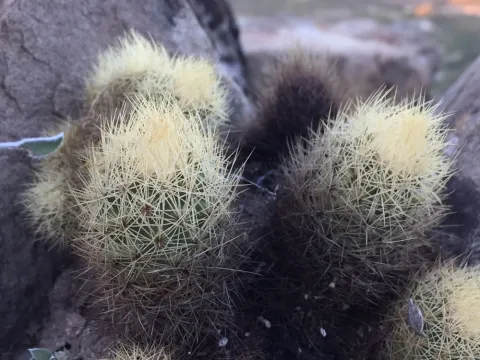
Acharagma
Acharagma
Acharagma is a genus of small-bodied cacti belonging to the Cactaceae family. These plants are native to specific regions of Mexico, primarily found in Coahuila and Nuevo Leon, where they inhabit rocky, limestone-rich slopes.
What the section contains


Acharagma
In cultivation, Acharagma requires high levels of solar exposure. To thrive, these cacti must be placed in a location where they receive direct sunlight for most of the day, which is essential for maintaining a compact, robust growth habit.
The potting medium must be highly porous and well-draining. Cultivators typically use a mineral-based substrate consisting of grit, coarse sand, and crushed rock, ensuring that the roots remain aerated and are not subjected to waterlogging.
Climatic requirements involve a strict cycle of a warm growing season and a cool, dry dormant period during winter. Maintaining temperatures between 5 and 10 degrees Celsius in winter is crucial for the plant's health and successful flowering cycle.
Acharagma is primarily used in the ornamental trade and specialized cactus collections. Their compact size and distinctive tubercles make them highly desirable for enthusiasts looking for rare and slow-growing succulent specimens.
Root rot is the most significant threat to Acharagma. It is primarily caused by improper watering techniques or using a substrate that retains too much moisture. This condition often results in the sudden decay of the plant's vascular system.
Spider mites are common pests that thrive in dry, stagnant air. They feed on the epidermis of the cactus, leaving behind unsightly discolored patches. Ensuring good air circulation is a key preventative measure.
Mealybugs can also infest Acharagma, hiding in the deep grooves between the tubercles. These pests extract sap from the plant and can be difficult to eradicate without the use of systemic insecticides.
Improper winter storage, specifically keeping the plant too warm and humid, significantly increases the risk of fungal infections. It is vital to keep the soil completely dry until the start of the next growing season.
Effective management includes regular monitoring for signs of infestation and maintaining a clean environment. If disease strikes, rapid application of fungicides or insecticidal soap is necessary to salvage the healthy parts of the plant.