

Description
How to tell it apart
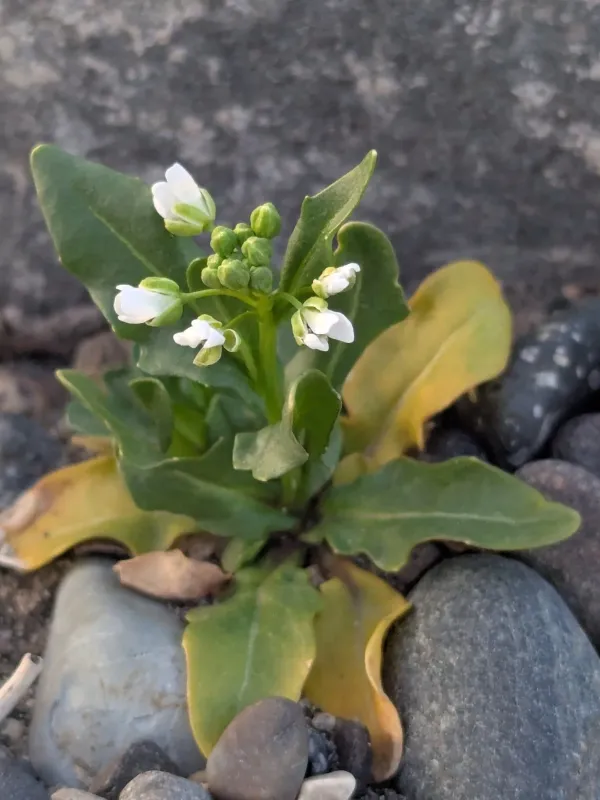
Field pennycress (Thlaspi arvense) is an annual or winter annual weed belonging to the Brassicaceae family. It typically grows as a single, upright stem ranging from 10 to 40 cm in height, often branching at the top.
The basal leaves form a rosette, while the stem leaves are alternate, oblong, and clasp the stem with arrow-shaped bases. When crushed, the plant releases a strong, garlic-like odor.
The plant produces small, white flowers clustered in terminal racemes that continue to grow and flower throughout the spring and autumn months, allowing for continuous reproduction.
The fruits are flat, circular seed pods (silicles) with a distinct notched tip and a wide wing. These pods are designed to hold numerous seeds, facilitating effective dispersal by wind or water.
A single plant can produce between 500 and 1,500 seeds. These seeds are dark brown with a textured, wrinkled surface and can remain viable in the soil for over six years.
Where it grows
Field pennycress is widely distributed across the Northern Hemisphere, thriving in diverse environments such as agricultural fields, pastures, roadsides, and disturbed waste areas.
It poses a significant threat to grain crops, particularly winter wheat and barley. It also frequently invades vegetable gardens and forage crops where soil moisture is sufficient.
The weed exhibits high ecological plasticity, meaning it can adapt to various soil types, though it performs best in nitrogen-rich, well-structured, and moist loamy soils.
As a winter annual, it often germinates in the autumn, overwinters as a rosette, and completes its lifecycle early in the spring, which gives it a competitive edge over summer crops.
Field pennycress is highly successful in reduced-tillage systems, as its seeds can germinate from depths of several centimeters, bypassing surface-level mechanical controls.
Harm it causes
The primary damage caused by Field pennycress is its aggressive competition with crop plants for water, light, and nutrients. It depletes soil nitrogen, directly affecting the yield of cereals.
In addition to resource competition, it acts as an alternative host for numerous pests, including cabbage aphids, flea beetles, and diseases like clubroot, threatening vegetable cultivation.
The seeds of the plant contain glycosides that can taint grain when harvested together. Contaminated grain often has a bitter taste, significantly lowering its market value and quality for milling.
Livestock safety is also a concern, as the consumption of large quantities of pennycress in contaminated forage or hay can cause digestive issues and poisoning in cattle due to its chemical compounds.
The sheer number of seeds produced ensures that once a population is established, it requires multiple years of persistent control efforts to exhaust the weed seed bank in the soil.
How to control
Integrated weed management is crucial for control. Crop rotation, specifically alternating between families, helps prevent the build-up of pennycress populations in the field.
Mechanical tillage, such as deep plowing in the autumn, can bury seeds deep enough to prevent germination, while shallow harrowing in the spring can kill emerging seedlings.
Chemical control is most effective when applied during the early growth stages, specifically when the weed is in the rosette stage or prior to the onset of bolting.
For grain crops, selective herbicides from the sulfonylurea group or hormonal types provide excellent control. Proper tank-mixing and timing are essential to maximize efficiency.
- Cleaning farm machinery thoroughly to prevent the spread of seeds between fields
- Using high-quality, certified seeds that are free from weed contaminants
- Maintaining field margins by mowing before the weeds reach the seed-set stage
Reference
Connections · Field pennycress
Most often together:
Marketplace
Products · 279




Trigor, z.p., (Triflusulfuron-methyl, 500 g/kg)
F.Superus Co.
Herbicides
0
0
1 offer
76.1 €за кг
Buy


Herbicide "Gold Star", granular, (tribenuron-methyl 750 g/kg)
Nanjing Essence Fine-Chemical Co.
Herbicides
0
0
2 offers
21.88 €за кг
Buy


MILACOS, K.S., (NICOSULFURON, 40 G/L)
Jiangsu Qiaoji Biochem
Herbicides
0
0
5 offers
6.14 €per pack
Buy


Flumet, WG, herbicide (flumetsulam, 800 g/kg)
Jiangsu Agricoem Laboratory Co., Ltd.
Herbicides
0
0
8 offers
74.98 €per pack
Buy


Ballerina, SE (2-ethylhexyl ester of 2,4-dichlorophenoxyacetic acid
August-Bel
Herbicides
0
0
1 offer
0.19 €per pack
Buy

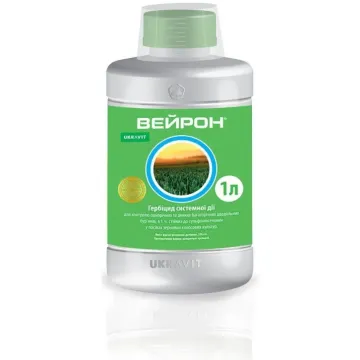
Weiron, KS (flumetsulam, 120 g/l + florasulam, 80 g/l)
Fabrika Agrokhimikatov
Herbicides
0
0
1 offer
66.74 €per 1 l
Buy


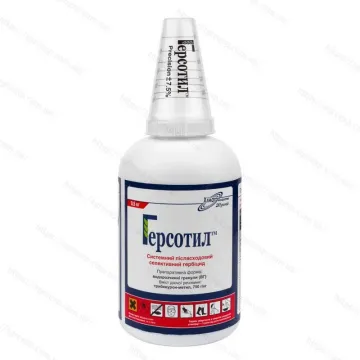
Gerositol w.r.g., (tribenuron-methyl, 750 g/kg)
Sunrise Agrochemical Co., Ltd.
Herbicides
0
0
2 offers
22.19 €за кг
Buy
Biology
Taxonomy
- Latin name
- Thlaspi arvense
- Family
- Однолетние двудольные сорняки