
Lemna aequinoctialis
Lemna aequinoctialis
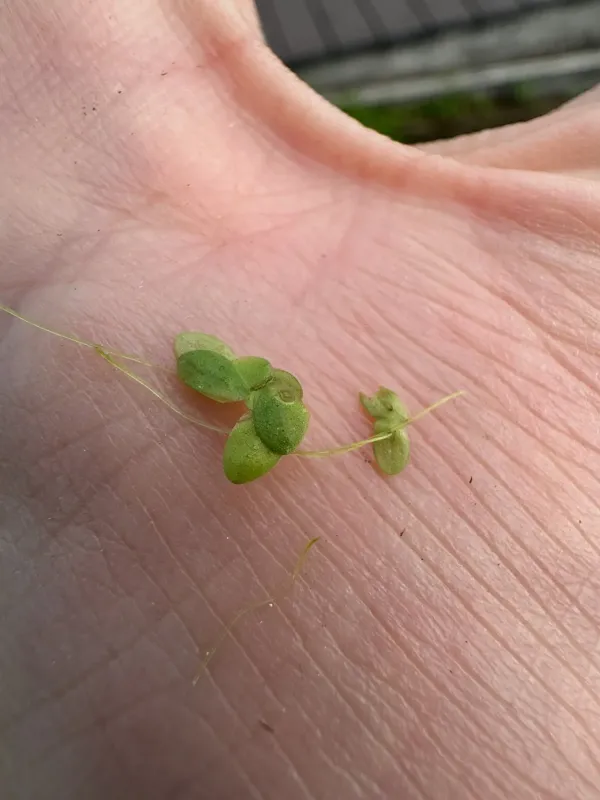
Description
How to tell it apart
Lemna aequinoctialis, commonly known as a type of duckweed, is a small aquatic plant belonging to the Araceae family. It is a free-floating plant consisting of a thallus that lacks differentiation between stems and leaves.
The plant is characterized by a single, thin root hanging into the water column. It exhibits rapid vegetative growth, allowing it to cover water surfaces completely within a short period.
The thalli are typically oval or elliptical, measuring between 1 and 5 mm in size. It has a high adaptive capacity to changing temperatures and light availability.
Flowering in this species is extremely rare and inconspicuous. Propagation is predominantly vegetative, with new thalli separating from the parent plant under favorable environmental conditions.
Due to its small size and buoyancy, the plant is easily dispersed by wind, water currents, and waterfowl, making it a highly successful colonizer of new aquatic habitats.
Where it grows
This weed prefers stagnant or slow-moving freshwater bodies. It is commonly found in ponds, lakes, ditches, and irrigation systems.
In agriculture, it is particularly problematic in rice paddies. The high nutrient levels in rice irrigation water create an ideal environment for the rapid expansion of the species.
The plant spreads passively through water flow and attaches itself to the feathers or fur of animals, facilitating transfer between isolated bodies of water.
Well-warmed, shallow areas with low oxygen concentrations and abundant nutrients provide the most favorable environment for massive population development.
In agro-ecosystems, duckweed often thrives alongside crops, competing for resources throughout the entire growing season.
Harm it causes
The primary harm caused by duckweed is the blocking of sunlight penetration into the water, which suppresses photosynthesis of other aquatic organisms and slows the growth of rice seedlings.
Dense mats of this plant impede gas exchange between the water and the atmosphere, often leading to oxygen depletion, which negatively impacts the aquatic ecosystem.
The presence of dense duckweed mats clogs pump systems, screens, and irrigation infrastructure, leading to maintenance difficulties and increased operational costs.
The weed acts as a competitor for nutrients, absorbing fertilizers intended for crop plants, which directly reduces the efficiency of fertilization practices.
Furthermore, it serves as a habitat for various pests and pathogens, potentially increasing the risk of infestations on nearby agricultural crops.
How to control
Mechanical control involves the regular removal of plant biomass from water surfaces using nets, rakes, or specialized aquatic weed harvesting machinery.
Agronomic control focuses on water management, including controlling fertilizer runoff into irrigation systems to starve the weed of the nutrients it requires for growth.
Biological control utilizes aquatic species such as herbivorous fish (e.g., grass carp), which can significantly reduce duckweed populations in ponds and canals.
Chemical control can be implemented using aquatic-approved herbicides, provided that strict dosages are followed to prevent harm to non-target organisms.
- Regular monitoring of water sources.
- Mechanical harvesting of surface biomass.
- Reducing nutrient loading in water bodies.
Taxonomy
- Latin name
- Lemna aequinoctialis
- Family
- Ароидные
- EPPO code
- LEMTN