
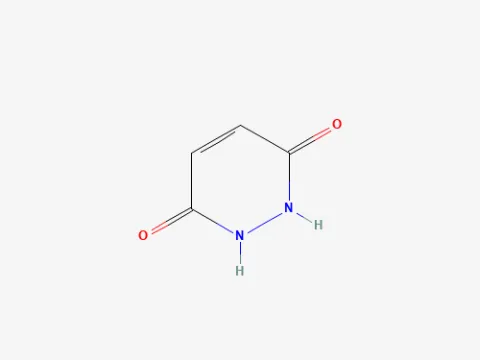
Maleic hydrazide
Maleic hydrazide belongs to the pyridazine derivative class and serves as a systemic plant growth regulator. Its primary mechanism of action involves inhibiting mitosis, which is the process of cell division within the meristematic tissues of plants.
What the section contains
Maleic hydrazide
Once applied to foliage, the substance is rapidly absorbed and transported via the phloem to active growth points, where it effectively blocks nucleic acid synthesis. This biochemical disruption forces the plant into a state of deep physiological dormancy.
The systemic nature of this compound makes it an essential tool for post-harvest management. It does not kill the plant but selectively suppresses bud development, which is crucial for preventing sprouting during the storage phase.
By altering the physiological state of the tissues, maleic hydrazide promotes better energy distribution within tubers and bulbs. This stabilization ensures that the product retains its nutritional value and physical appearance throughout the storage period.
The efficacy of the treatment relies heavily on the physiological state of the crop during application. Proper timing ensures that the plant is capable of absorbing sufficient active ingredients to achieve long-term inhibition without compromising the final product.
Maleic hydrazide is primarily used as a sprout inhibitor for potatoes, onions, and garlic. This treatment significantly reduces storage losses, allowing producers to extend the shelf life and marketability of their harvest.
Another major application is in tobacco farming, where it is utilized for sucker control. By inhibiting the growth of lateral buds, it allows the plant to focus its resources on leaf development, leading to higher yields and improved quality of the cured leaf.
The compound has also seen use in ornamental landscaping to manage the growth of hedges and grass, effectively reducing the frequency of mechanical trimming and maintenance required for public parks and roadsides.
The chemical effectively prevents secondary tuber growth in potatoes, a common issue during unseasonably warm autumns. This helps maintain the dry matter content, which is vital for both processing and table-stock varieties.
- Potatoes (sprout inhibition)
- Onions (extended storage life)
- Garlic (prevention of quality loss)
- Tobacco (sucker suppression)
The application rates and timing depend on the specific crop and climate conditions. A critical requirement is that the foliage must remain functional to ensure the systemic absorption of the active ingredient.
For potatoes, the treatment is typically scheduled 2 to 4 weeks before harvest, once the vines begin to yellow but still retain green matter. Applying the product too early can negatively impact tuber development and overall yield.
Regarding onions and garlic, the ideal time for application is when the tops have begun to lodge but are still green. This stage ensures the compound moves effectively into the bulbs, providing a prolonged dormancy effect during winter.
In tobacco production, the treatment is applied immediately after topping (the removal of inflorescences). This timing is crucial to effectively suppress axillary bud growth and maximize the leaf quality.
Precise calculation of application rates is necessary based on plant density and variety. Proper spray equipment should be used to ensure uniform coverage, which is essential for consistent results across the field.
The use of maleic hydrazide on seed crops is strictly prohibited due to its potential to induce pollen sterility and genetic abnormalities. These changes render the seeds non-viable for future reproduction.
Do not apply the product during periods of drought or extreme heat. Stressed plants cannot effectively absorb or translocate the active ingredient, which drastically reduces the efficacy of the treatment and may cause crop damage.
Adherence to pre-harvest intervals is mandatory. Any residues exceeding the regulatory limits in the harvested produce are unacceptable for consumer safety, making a strict application schedule essential for every producer.
Operators must wear appropriate personal protective equipment during handling and application. Although the compound is of moderate toxicity, it can cause skin and eye irritation upon direct contact.
Avoid spray drift toward adjacent fields containing sensitive crops, as maleic hydrazide can be phytotoxic to many plants. Ensure that application equipment is properly calibrated to prevent contamination of non-target areas.