
Magnesium hydroxide
Description
Mode of action
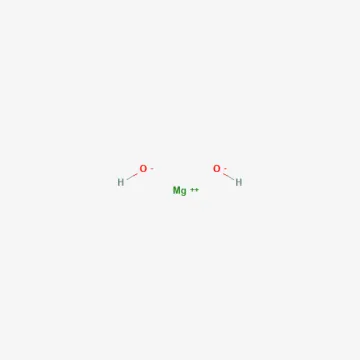
Magnesium hydroxide (Mg(OH)2) is an inorganic compound utilized in agronomy as a supplementary tool for plant protection and mineral nutrient management. Its primary mechanism of action involves altering the pH level on the leaf surface, creating a hostile environment for the germination of fungal spores.
Upon application, the substance creates a mildly alkaline reaction. Since the majority of plant pathogens thrive in neutral or slightly acidic conditions, this rapid change in pH disrupts their metabolic processes and effectively prevents colonization of the plant tissue.
Beyond its fungistatic properties, magnesium hydroxide serves as a source of readily available magnesium for crops. As magnesium is the central atom in the chlorophyll molecule, its presence is vital for maintaining optimal photosynthetic activity, especially under biotic and abiotic stress.
In tank mixtures, the compound is often used to stabilize the pH of the working solution. This helps enhance the performance of specific pesticides that are sensitive to acidification and prevents their premature degradation within the sprayer tank.
The substance acts strictly through contact and does not exhibit systemic mobility. Therefore, thorough coverage of all leaf surfaces is mandatory during application to ensure that no areas remain vulnerable to infection.
What it targets
The main purpose of magnesium hydroxide in plant protection is the control of powdery mildew fungi (Erysiphales). It is highly effective in suppressing the spread of mycelium on a wide range of vegetable, fruit, and ornamental crops.
It is commonly applied to protect grapes, cucumbers, roses, and apple trees. The product is particularly valuable in the early stages of infection, helping to halt the progression of symptoms when they first appear on foliage.
Additionally, the compound helps mitigate the negative effects of acid rain on vegetation. By forming a protective film, it neutralizes acid deposits, thereby preventing epidermal damage and premature leaf aging.
This approach is an integral component of integrated pest management (IPM) systems, aimed at reducing the overall pesticide load by incorporating safer, environmentally friendly mineral-based compounds.
- Powdery mildew (Sphaerotheca fuliginea)
- Downy mildew (as a preventive aid)
- Acidic burn prevention
- Magnesium deficiency correction
Rates and timing
Application rates typically range from 0.5 to 2 kg per hectare, depending on the crop type and the severity of the pressure from pathogens. Precise dosage is essential to avoid potential phytotoxicity caused by excessive alkalization of the leaf surface.
Treatments should be carried out during the early morning or late evening hours to avoid direct sunlight. High UV radiation combined with the substance on the leaves can induce localized tissue burns.
The frequency of application depends on weather conditions and the growth rate of the vegetation. During periods of active fungal development, intervals of 7 to 10 days are generally recommended for consistent control.
When used as a magnesium fertilizer, rates must be determined based on soil analysis and leaf diagnostic results. Excessive magnesium levels can cause nutrient antagonism, potentially hindering the uptake of calcium and potassium.
Before applying on a large scale to sensitive cultivars, it is highly recommended to perform a patch test on a small group of plants to observe the specific variety's reaction to the pH modification.
Restrictions
Magnesium hydroxide should not be mixed with pesticides that require a strictly acidic environment for stability. Compatibility tests are also required before mixing with other highly alkaline products to prevent precipitation.
Avoid direct application on flowers during the blooming period. Changes in pH levels on floral parts may negatively affect pollen viability and interfere with the pollination process by beneficial insects.
Storage must be maintained in tightly sealed containers in a cool, dry place. The material is hygroscopic and can absorb moisture from the air, which may result in physical changes and the formation of lumps.
Strict adherence to personal protective equipment protocols is necessary. Contact with the fine powder can cause irritation to the eyes, skin, and respiratory tract during the mixing and spraying process.
Always follow local regulations for the disposal of product residues. Even though the substance is relatively safe, large-scale releases into water bodies should be prevented to avoid localized shifts in aquatic pH balance.
Status in the European Union
Approved in the EU
- CAS number
- 1309-42-8
- Approved from
- 02.04.2024
EU status is for reference only and does not replace national registration in your country.