
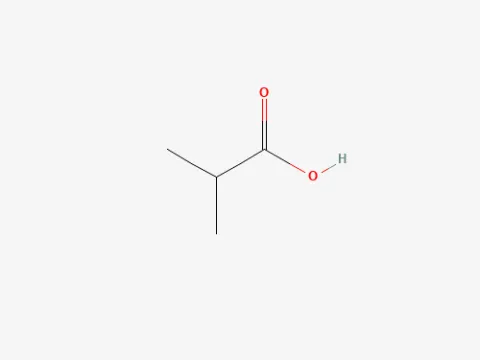
Isobutyric acid
Isobutyric acid belongs to the class of branched-chain fatty acids that function as signaling molecules in plant physiology. In modern agriculture, it serves as a powerful inducer of systemic acquired resistance, enhancing the natural defense mechanisms of crops.
What the section contains
Isobutyric acid
The mechanism of action involves activating specific gene pathways responsible for stress tolerance. By stimulating the production of phytoalexins, the substance allows plants to recognize and counteract pathogens more efficiently.
It acts as an endogenous metabolic booster, promoting cellular homeostasis during unfavorable growth conditions. This metabolic support helps maintain plant vigor even when environmental factors are sub-optimal.
The compound stabilizes cell membrane integrity against thermal stress and dehydration. By protecting cellular structures, it ensures that vital physiological processes continue without disruption during temperature spikes.
Application of this substance promotes nutrient uptake by stimulating root hair proliferation. This increased root surface area leads to better mineral absorption from the soil and more robust vegetative growth.
The group of isobutyric acid products is primarily used to mitigate abiotic stress factors, such as drought, extreme temperature fluctuations, and soil salinity. It is a key tool for improving crop resilience.
It is targeted at enhancing plant immunity against complex fungal and bacterial infections. While not a direct fungicide, its ability to bolster plant defense systems significantly reduces disease incidence.
This substance is effectively applied to a wide range of field crops, including cereals, maize, and oilseeds. Greenhouse-grown vegetables also show significant physiological improvements after treatment.
It is widely used to manage herbicidal stress in crops. By promoting rapid metabolic recovery, it helps plants overcome the growth retardation caused by intensive chemical weed control programs.
Targeted use contributes to higher yields by improving the uniformity of crops and increasing the sugar and nutrient content in the harvested parts of the plant.
Timing of application is critical, usually coinciding with specific phenological stages of development. Applications are most effective during the vegetative phases or prior to predicted environmental stress events.
Application rates are determined by the formulation concentration and the specific crop requirements. Due to the high biological activity of the compound, precise dosing is necessary to achieve optimal physiological results.
Foliar application should be performed under calm weather conditions, avoiding midday sun to prevent premature degradation. Early morning or late evening treatments are recommended for maximum absorption.
Multiple applications can be made during the season, provided that the recommended time intervals are strictly followed. This allows for a sustained stress-response effect throughout the plant's development.
Compatibility with other agrochemicals is generally high, but jar tests are recommended before creating tank mixes. Avoid combining with strongly alkaline fertilizers to maintain chemical stability.
Storage conditions must be strictly controlled, keeping the product in a cool, dark place away from direct sunlight. Exposure to high temperatures can degrade the active substance and reduce efficacy.
Avoid mixing with strong oxidizing agents or highly alkaline substances, which can neutralize the acid. Maintaining a near-neutral pH in the spray tank is essential for active substance integrity.
Standard personal protective equipment should be worn during handling and application. Although naturally derived, concentrated solutions may cause skin or eye irritation upon contact.
Strict adherence to application rates is necessary to avoid over-stimulation, which could potentially shift plant resources away from reproductive growth. Follow manufacturer labels for region-specific guidelines.
Environmental responsibility is paramount; dispose of empty containers and chemical residuals according to local hazardous waste regulations. Never wash application equipment in natural waterways.