
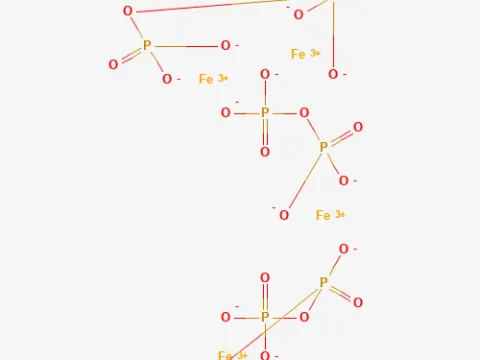
Iron pyrophosphate
Iron pyrophosphate is an inorganic iron compound used in plant protection products as a selective molluscicide. Its mode of action relies on disrupting the digestive processes of gastropod mollusks after they ingest the active ingredient-containing pellets.
What the section contains
Iron pyrophosphate
Once ingested by a slug or snail, the compound induces irreversible changes in the mucous membranes of the pest's digestive tract. This leads to feeding cessation, rapid loss of appetite, and subsequent mortality within several days.
A key feature of this substance is its high selectivity, targeting only mollusks. Unlike metaldehyde, iron pyrophosphate poses virtually no risk to hedgehogs, birds, domestic animals, or earthworms, making it a preferred choice for integrated and organic farming systems.
Upon degradation in the soil, the substance breaks down into natural components—iron ions and phosphates—which are absorbed by plants as micronutrients. Consequently, the product does not accumulate in the environment and leaves no harmful chemical residues in the harvested produce.
The efficacy of the treatment directly depends on the palatability of the bait, which is why the pellets must be formulated with attractants to ensure the pests readily consume them.
Products based on iron pyrophosphate are intended to control all species of terrestrial slugs and snails that cause damage to agricultural crops.
These pests actively damage the vegetative parts of plants, including leaves, stems, fruits, and root crops during their maturation phase. The most significant damage usually occurs under high-humidity conditions.
Target organisms include common pests such as the gray field slug, garden slug, common garden snail, and other species capable of destroying seedlings in a short timeframe.
Applications are justified for vegetable crops, including cabbage, lettuce, potatoes, and tomatoes, as well as berry crops like strawberries, where the risk of fruit damage is particularly high.
The product is also widely used in ornamental gardening to protect flowers and nursery plants from mass defoliation caused by gastropods.
The products are applied by broadcasting pellets directly onto the soil surface around the plants requiring protection or across the entire cultivation area.
The application rate varies depending on the level of pest infestation and generally ranges from 5 to 7 kg per hectare per application.
The timing of the treatment should coincide with the initial signs of mollusk activity, which most often corresponds to the beginning of the growing season or periods of frequent rainfall.
In cases of high pest pressure, repeated applications are permitted according to the manufacturer's guidelines, typically not exceeding 3-4 times per season.
It is important to ensure uniform distribution of the pellets, avoiding clumps, to provide maximum coverage and effectiveness across the treated area.
It is not recommended to perform applications immediately before expected heavy rain, as this can lead to the rapid erosion of the pellets and a reduction in their attractiveness to pests.
Although the product is safe for domestic animals, it is recommended to limit their access to areas where pellets have been applied in large quantities immediately after application.
During handling, direct contact with skin and mucous membranes should be avoided by using basic personal protective equipment as directed on the product label.
The product should be stored in dry, cool conditions, out of the reach of children, and in its original, tightly sealed packaging.
The use of iron pyrophosphate does not replace integrated agrotechnical methods, such as soil cultivation and the removal of plant debris, which effectively limit the breeding grounds for mollusks.