
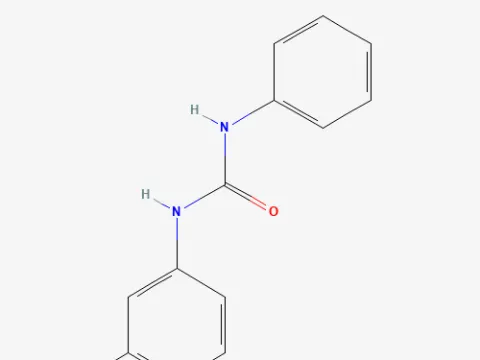
Forchlorfenuron
Forchlorfenuron belongs to the chemical class of phenylurea derivatives and acts as a highly potent plant growth regulator from the cytokinin group. It stimulates mitosis, accelerating cell division and elongation within plant tissues.
What the section contains
Forchlorfenuron
This substance influences metabolic processes by improving the transport of nutrients to the fruits. Unlike natural cytokinins, forchlorfenuron exhibits a much more pronounced and prolonged effect on plant organ development.
Application of the preparation significantly contributes to increasing the size and weight of fruits and berries. It activates the synthesis of proteins and enzymes responsible for cell wall formation and biomass accumulation.
The mechanism of action is aimed at stimulating fruit set even under conditions of poor pollination. The substance is effective when used at the early stages of fruit formation, when active cell division is occurring.
An important aspect is the impact on harvest quality: with correct dosages, the commercial appearance of products, their transportability, and the firmness of the fruit pulp are significantly improved.
The primary area of use for forchlorfenuron is intensive horticulture and viticulture. It is used to increase the size of table grape varieties, kiwifruit, peaches, and other stone fruits.
The preparation works effectively on cucurbitaceous crops, for example, to increase the weight of watermelons and melons. It is also used in ornamental horticulture to accelerate shoot growth in certain types of plants.
Applying it to prevent fruit drop is a key task for agronomists working with crops prone to abortion. The substance helps stabilize harvest development during periods of temperature stress.
- Grapes (increasing berry and bunch size)
- Kiwifruit (stimulating fruit growth)
- Melons and watermelons (increasing fruit mass)
- Stone fruits (caliper enhancement)
Using this substance allows for a reduction in the number of substandard products, ensuring uniform fruit growth across the entire crop area.
Application timing is strictly tied to the phenological phases of the crop. Usually, treatment is carried out 2–3 weeks after full bloom, when fruits reach a specific diameter (e.g., for kiwifruit, this is the critical moment for cell division).
Application rates depend on the concentration of the active ingredient in the commercial product. It is crucial to follow the instructions, as an overdose of the hormone can lead to fruit deformation or a decline in flavor quality.
Preparing the working solution requires thorough mixing. It is recommended to use dipping methods for bunches or fine-mist spraying to ensure uniform distribution of the preparation on the target plant organs.
Repeatedly exceeding the concentration specified by the manufacturer is not allowed, as this can trigger a delay in fruit ripening. The optimal temperature range for application is during moderately warm hours, avoiding bright, direct sunlight.
It is important to consider regional climatic characteristics, as high temperatures accelerate plant metabolism, which may change the optimal timing for effective application and require dosage adjustments.
Forchlorfenuron requires strict adherence to safety protocols. When working with it, personal protective equipment for the respiratory tract, skin, and mucous membranes must be used to prevent contact with the substance.
The product should not be mixed with certain agrochemicals without prior compatibility testing. Failure to follow application regulations can lead to the accumulation of chemical residues in the harvested products.
It is forbidden to carry out treatments immediately before harvest. Pre-harvest intervals established for specific crops must be respected to ensure the safety of the produce for the final consumer.
The preparation must be stored in its original packaging in a cool, dry, and secure location away from unauthorized access. Moisture and direct ultraviolet radiation should be kept away from the storage area.
When disposing of containers and solution residues, local environmental regulations must be followed to prevent chemicals from entering open water bodies and groundwater.