
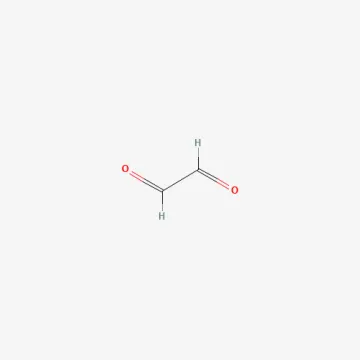
Glyoxal
Description
Mode of action
Glyoxal is the simplest dialdehyde, known for its high reactivity toward protein structures in microorganisms. In agricultural practice, this substance is valued for its strong aldehyde properties, which allow it to effectively destroy cell walls and inactivate the enzymatic systems of various pathogens.
The mechanism of action relies on the irreversible binding to amino groups of proteins and nucleic acids within pathogenic organisms. This leads to the rapid denaturation of cell components, preventing the further reproduction and spread of fungal, bacterial, and viral infections on treated surfaces.
The substance remains active across a wide temperature range, distinguishing it from many other fumigants. It can penetrate hard-to-reach areas due to its volatility and ability to form an active vapor phase, ensuring comprehensive disinfection of treatment facilities.
A key feature of glyoxal is its dual role as a fixative and an antiseptic, making it suitable for the preventive treatment of agricultural crates, trays, and tools. It does not cause rapid corrosion on many materials, simplifying the regular sanitation of farm equipment.
Following the treatment, the active substance gradually decomposes, reducing the risk of harmful residues accumulating in the environment. This makes it a preferred choice for production cycles requiring high-intensity disinfection followed by a quick return of the facility to operation.
What it targets
The primary use of glyoxal is the disinfection and sterilization of facilities used for crop cultivation. It effectively eliminates pathogens causing fungal diseases (such as fusarium and gray mold) and bacterial infections that often persist in greenhouses after the harvest.
The compound is utilized to treat storage areas intended for seed stock and horticultural produce. It suppresses the activity of mold spores, preventing the development of decay during the long-term storage of agricultural products.
Glyoxal is employed for the disinfection of hydroponic systems and irrigation equipment, where biofilms often become sources of persistent contamination. Regular flushing of these systems with the agent helps maintain the sterility of nutrient solutions.
The agent effectively acts on the surfaces of containers, pallets, and manual tools that have come into contact with infected plants. This helps break the chain of infection transmission within the farm and between different production cycles.
In specific cases, glyoxal is used as a component of formulations for treating soil substrates prior to seedling transplantation. This helps reduce the microbial load and creates a more favorable environment for young plant development during the initial growth stages.
Rates and timing
Application rates for glyoxal vary depending on the method (aerosol spraying or wet disinfection) and the level of biological contamination. Typically, aqueous solutions of specific concentrations are prepared and applied evenly across surfaces.
When preparing working solutions, it is crucial to adhere to the dosage accuracy recommended by the specific product manufacturer. Insufficient concentration reduces the effectiveness of the treatment, while excessive concentration may lead to an unnecessary buildup of aldehyde vapors.
Exposure times after treatment are critical: the facility must remain tightly sealed for the duration specified in the regulatory guidelines to ensure the elimination of deep-seated spores. Following this period, thorough ventilation is mandatory until all odors have dissipated.
To achieve optimal results, surfaces must be pre-cleaned of organic debris and dust, as heavy soil contamination reduces the permeability of the active ingredient. Pre-washing significantly increases the overall efficacy of the disinfection procedure.
The frequency of treatments depends on the production schedule and the level of infection risk. Generally, disinfection is performed during the off-season or before a new batch of product is moved into storage to minimize the risks of cross-contamination.
Restrictions
Glyoxal is a chemically active substance that requires strict adherence to personal protective measures. Use is permitted only with respirators, gloves, and safety goggles, as vapors can cause irritation to the respiratory tract and mucous membranes of the eyes.
Treatment must not be conducted in the presence of humans, animals, or immediately before planting sensitive crops. A technological pause for degassing the facility is required, confirmed by the absence of any specific odor.
It is essential to prevent working solutions from entering open water bodies or soil, as this may negatively affect the ecosystem's microflora. Disposal of product residues must comply with local environmental regulations and waste management protocols.
The product is sensitive to storage conditions and must be protected from direct sunlight and high temperatures. Failure to maintain proper storage conditions can lead to the loss of the active substance's chemical efficacy and unpredictable compositional changes.
When used in greenhouses, one should consider the reaction of construction materials to long-term exposure to aldehydes. Although glyoxal is relatively mild, regular and repeated applications require monitoring of seals, gaskets, and metal structural elements for potential degradation.
Status in the European Union
Not approved in the EU
- CAS number
- 107-22-2
EU status is for reference only and does not replace national registration in your country.