
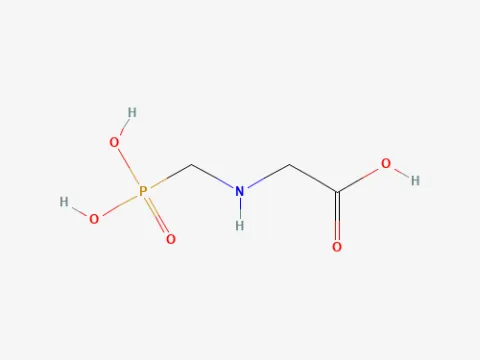
Herbicides
Herbicides are a diverse group of chemical substances designed to eliminate or suppress unwanted vegetation in agricultural settings. They are classified into two main categories: non-selective (total) herbicides, which affect all plant life, and selective herbicides, designed to target specific weed species without harming the primary crop.
What the section contains
 Organic Matter
346 products
Organic Matter
346 products
 Nicosulfuron
Производные сульфонилмочевины
253 products
Nicosulfuron
Производные сульфонилмочевины
253 products
 Tribenuron-methyl
Производные сульфонилмочевины
227 products
Tribenuron-methyl
Производные сульфонилмочевины
227 products
 Florasulam
169 products
Florasulam
169 products
 Dicamba
Производные бензойной кислоты
166 products
Dicamba
Производные бензойной кислоты
166 products
 Quizalofop-P-ethyl
Арилоксифеноксипропионаты
161 product
Quizalofop-P-ethyl
Арилоксифеноксипропионаты
161 product
 Acetochlor
Хлорацетамиды (Производные аминокислот)
157 products
Acetochlor
Хлорацетамиды (Производные аминокислот)
157 products
 Ethofumesate
Производные фурана; бензофураны
157 products
Ethofumesate
Производные фурана; бензофураны
157 products
 Clopyralid
141 product
Clopyralid
141 product
 Thifensulfuron-methyl
Производные сульфонилмочевины
138 products
Thifensulfuron-methyl
Производные сульфонилмочевины
138 products
 Rimsulfuron
Производные сульфонилмочевины
128 products
Rimsulfuron
Производные сульфонилмочевины
128 products
 Pre-tax
127 products
Pre-tax
127 products
 Clethodim
126 products
Clethodim
126 products
 2,4-D
Производные феноксиуксусной кислоты
124 products
2,4-D
Производные феноксиуксусной кислоты
124 products
 Imazamox
121 product
Imazamox
121 product
 Terbuthylazine
Триазины
109 products
Terbuthylazine
Триазины
109 products
 Bentazone
Бензотиазиноны
108 products
Bentazone
Бензотиазиноны
108 products
 Metamitron
Триазины
103 products
Metamitron
Триазины
103 products
 Diquat
88 products
Diquat
88 products
 Mesotrione
Трикетон
88 products
Mesotrione
Трикетон
88 products
 S-metolachlor
Хлорацетамиды (Производные аминокислот)
84 products
S-metolachlor
Хлорацетамиды (Производные аминокислот)
84 products
 Clomazone
81 product
Clomazone
81 product
 Metribuzin
Триазины
77 products
Metribuzin
Триазины
77 products
 Propisochlor
77 products
Propisochlor
77 products
 Imazapyr
67 products
Imazapyr
67 products
 Triflusulfuron-methyl
62 products
Triflusulfuron-methyl
62 products
 Picloram
50 products
Picloram
50 products
 Metsulfuron-methyl
Производные сульфонилмочевины
48 products
Metsulfuron-methyl
Производные сульфонилмочевины
48 products
 Copper hydroxide
Медь содержащие
44 products
Copper hydroxide
Медь содержащие
44 products
 Pendimethalin
44 products
Pendimethalin
44 products
 Cymoxanil
43 products
Glyphosate isopropylamine salt
Глифосат
40 products
Cymoxanil
43 products
Glyphosate isopropylamine salt
Глифосат
40 products
 Metazachlor
Хлорацетамиды (Производные аминокислот)
36 products
Metazachlor
Хлорацетамиды (Производные аминокислот)
36 products
 MCPA
Производные Феноксипропионовой кислоты
33 products
MCPA
Производные Феноксипропионовой кислоты
33 products
 Flumetsulam
32 products
Flumetsulam
32 products
 Fluroxypyr
32 products
Fluroxypyr
32 products
 Ethephon
27 products
Ethephon
27 products
 Oxyfluorfen
Дифениловый эфир
25 products
Cytokinins
24 products
Oxyfluorfen
Дифениловый эфир
25 products
Cytokinins
24 products
 Fluazifop-P-butyl
Арилоксифеноксипропионаты
24 products
Fluazifop-P-butyl
Арилоксифеноксипропионаты
24 products
 Quizalofop-P-tefuryl
Арилоксифеноксипропионаты
24 products
Quizalofop-P-tefuryl
Арилоксифеноксипропионаты
24 products
 Cloquintocet-mexyl
Антидот
23 products
Cloquintocet-mexyl
Антидот
23 products
 Fluopyram
23 products
2-ethylhexyl ester of 2,4-D
Производные феноксиуксусной кислоты
22 products
Fluopyram
23 products
2-ethylhexyl ester of 2,4-D
Производные феноксиуксусной кислоты
22 products
 Chlorantraniliprole
22 products
Chlorantraniliprole
22 products
 Fosetyl-aluminium
21 product
Fosetyl-aluminium
21 product
 Metolachlor
19 products
Polysaccharides
19 products
Metolachlor
19 products
Polysaccharides
19 products
 Chlormequat chloride
18 products
Chlormequat chloride
18 products
 Copper sulfate
Медь содержащие
18 products
Copper sulfate
Медь содержащие
18 products
 Pyridaben
18 products
Pyridaben
18 products
 Fenoxaprop-P-ethyl
Арилоксифеноксипропионаты
17 products
Fenoxaprop-P-ethyl
Арилоксифеноксипропионаты
17 products
 Glufosinate-ammonium
17 products
Glufosinate-ammonium
17 products
 Copper oxychloride
Медь содержащие
16 products
Copper oxychloride
Медь содержащие
16 products
 Pencycuron
16 products
Pencycuron
16 products
 Aminopyralid
15 products
Aminopyralid
15 products
 Lenacil
Производные урацила
15 products
Lenacil
Производные урацила
15 products
 Mefenpyr-diethyl
15 products
Mefenpyr-diethyl
15 products
 Pyrimethanil
15 products
Pyrimethanil
15 products
 2,4-D dimethylamine salt
Производные феноксиуксусной кислоты
14 products
2,4-D dimethylamine salt
Производные феноксиуксусной кислоты
14 products
Herbicides
The mechanism of action involves interfering with critical plant biological processes. Common targets include the inhibition of amino acid synthesis, disruption of photosynthesis, interference with cell division, or hormonal imbalances (such as synthetic auxin mimicry). Understanding these pathways is essential for selecting the appropriate product for specific weed challenges.
Systemic herbicides are absorbed by the plant (through leaves or roots) and translocated throughout the vascular system, reaching growing points to ensure complete control, including roots and rhizomes. Contact herbicides act strictly on the tissue they touch, making thorough and uniform application vital for effective results.
Many modern herbicides belong to sophisticated chemical classes such as sulfonylureas, triazines, glyphosate-based formulations, and phenoxy compounds. These chemicals are selected based on the specific agronomic requirement, whether it involves clearing a field before planting or managing weeds during the crop's active growing season.
The efficacy of herbicide treatments is significantly influenced by environmental factors such as ambient temperature, soil moisture, and pH levels of the spray water. Optimal application timing, coordinated with the weed's life cycle stage, ensures that the herbicide is metabolized by the target plant efficiently, leading to successful control and minimized stress on the environment.
Herbicides are primarily deployed to combat a wide spectrum of annual and perennial broadleaf weeds and grasses that threaten agricultural productivity. Common targets include aggressive weeds like quackgrass, sowthistle, common lambsquarters, pigweed, and ragweed, all of which compete fiercely with crops for resources.
These substances are utilized in major commercial crops, including wheat, corn, sunflowers, and soybeans. By targeting specific weed families while sparing the crop, herbicides help farmers maintain high yields and ensure efficient resource utilization across thousands of hectares.
Application rates are determined by the weed density, species composition, and the phenological stage of the target plants. These rates, measured in liters or kilograms per hectare, are specified in product labels and agronomic guidelines to ensure cost-effectiveness and maximize the success of the treatment.
Timing of application is a critical factor for success. Pre-emergence treatments are applied to soil to provide a protective barrier, while post-emergence applications are timed to coincide with the most vulnerable development stages of the weeds, typically during their early vegetative growth phase.
Strict adherence to environmental safety protocols is mandatory when handling herbicides. Applications must be avoided during high wind speeds to prevent spray drift onto sensitive neighboring crops, water bodies, or public areas. Operators must always use appropriate personal protective equipment (PPE) to minimize exposure risk.
Crop rotation restrictions must be carefully considered, as many persistent herbicides may leave residues in the soil. Farmers must account for the degradation period of the chemical to ensure that subsequent crops in the rotation are not harmed by carryover effects, which could negatively impact farm profitability.