
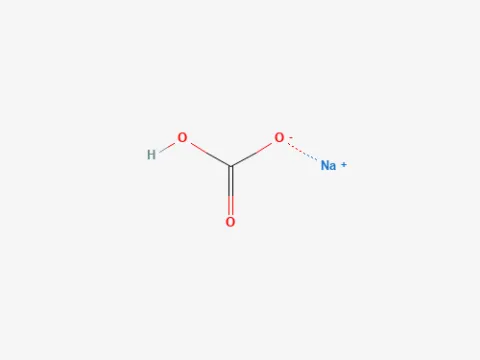
Sodium hydrogen carbonate
Sodium bicarbonate is an inorganic compound widely recognized for its fungicidal and fungistatic properties in organic and conventional farming.
What the section contains
Sodium hydrogen carbonate
The mode of action relies on the rapid increase of pH levels upon the plant's surface, which creates a hostile environment for spore germination.
Contact with the solution causes dehydration of fungal cells, damaging their membranes and inhibiting the pathogen's ability to extract nutrients from the plant.
As a non-systemic agent, it provides a physical and chemical barrier that stops fungal colonization on the exterior layers of leaves and stems.
Its efficacy is largely dependent on the total coverage of the foliage, ensuring that the pathogen comes into direct contact with the solution.
Sodium bicarbonate is primarily utilized for the management of powdery mildew across a vast array of ornamental, fruit, and vegetable crops.
It is effective against various fungi that belong to the order Erysiphales, which are common issues in greenhouses and home gardens.
The substance is also used to suppress early-stage infections of grey mold and certain fungal leaf spot diseases during the growing season.
It serves as an essential tool in integrated pest management programs aimed at reducing the reliance on synthetic systemic fungicides.
- Powdery mildew (Oidium, Sphaerotheca)
- Grey mold (Botrytis cinerea)
- Various foliar fungal infections
- Greenhouse crop pathogens
Typical application rates range between 0.5% and 1.0% concentration, which is equivalent to 5 to 10 grams of product per liter of water.
Applications should be performed during cool periods of the day, such as early morning or late evening, to prevent foliage phototoxicity.
Adding a wetting agent or mild surfactant is recommended to improve the adherence of the solution to the waxy surfaces of plant leaves.
Depending on the disease pressure, treatments are typically repeated at 7 to 10-day intervals throughout the period of high fungal activity.
Monitoring the plant response after the first application is advised to ensure that the chosen concentration is appropriate for the specific crop variety.
High or frequent use of sodium-based products can lead to sodium accumulation in the soil, potentially impacting long-term soil structure and fertility.
The product has low persistence in the environment as it is easily washed off by rainfall, necessitating reapplication after irrigation or precipitation.
It is incompatible with certain fertilizers and other pesticides that require a specific acidic or neutral pH to remain stable and effective.
Avoid excessive spraying during the flowering stage, as alkaline residues may negatively affect delicate floral tissues and pollination processes.
Storage must be in a cool, dry place to prevent moisture absorption, which can cause the powder to clump and lose its chemical efficacy.