
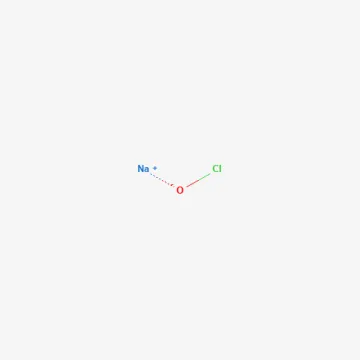
Sodium hypochlorite
Description
Mode of action
Sodium hypochlorite belongs to a group of inorganic compounds with strong oxidizing properties. In agricultural practice, it functions as a powerful antiseptic and contact fungicide, releasing active chlorine upon contact with moist environments.
Its mechanism of action is based on the deep oxidation of proteins and enzyme systems within microorganisms. This leads to rapid denaturation of cellular structures of pathogens, disruption of membrane permeability, and irreversible destruction of spores, bacteria, and viruses.
Unlike systemic preparations, sodium hypochlorite does not penetrate plant tissues and acts on the surface. Its efficacy depends directly on the solution pH and the concentration of active chlorine, which is capable of destroying organic compounds of pathogens.
The substance exhibits high activity against a wide range of phytopathogenic fungi, bacteria, and certain types of algae. It effectively prevents the spread of infections that persist on surfaces, structures, and agricultural equipment.
The oxidizing power of hypochlorite allows it to break down the complex polysaccharide shells of microbes, making it indispensable for disinfecting irrigation systems from biofilms, ensuring clean nutrient solutions for plant roots.
What it targets
The primary purpose of sodium hypochlorite in agronomy is the sanitation of greenhouse complexes, storage facilities, and containers. It is used to suppress bacterial rot, powdery mildew, late blight, and various types of mold fungi.
The preparation actively destroys the pathogens of root rot that can be transmitted through tools or structural elements of greenhouses. It is also used to combat pathogenic microflora in hydroponic systems.
The agent effectively acts on algae that clog drippers and irrigation systems, creating a favorable environment for pathogen multiplication. Its use allows for maintaining sanitary conditions in protected soil.
In crop production, sodium hypochlorite may be used for seed treatment (at strictly controlled concentrations) to destroy fungal spores residing on the surface of the planting material.
The substance helps to contain infection centers in vegetable storage facilities, preventing crop spoilage during long-term storage. It is a reliable tool for sterilizing surfaces that come into contact with produce.
Rates and timing
Application rates depend on the objectives of the treatment and the level of surface contamination. For general greenhouse disinfection, solutions with an active chlorine content of 0.5% to 1.0% are typically used, with an exposure time of 30 to 60 minutes.
When cleaning drip irrigation systems, the concentration is selected individually to avoid damaging plastic equipment components. It is important to regularly check the residual chlorine level to prevent phytotoxicity.
More concentrated working solutions are used for treating containers and tools. After the procedures, surfaces must be thoroughly rinsed with clean water until the smell of chlorine has completely disappeared.
An important success factor is timely treatment. Preventive measures during the periods between crop rotations allow for significantly reducing the infection load without the need for aggressive fungicide applications on the plants themselves.
Working solutions should be prepared immediately before use, as active chlorine decomposes rapidly under the influence of sunlight and high temperatures, losing its disinfecting capacity.
Restrictions
Sodium hypochlorite is a highly reactive substance and can cause burns to plant tissues if it comes into contact with vegetative organs. Its use requires caution to exclude contact with beneficial plants.
The preparation has significant corrosive activity towards metals. Prolonged contact of working solutions with metal greenhouse structures, pumps, and fittings should be avoided unless they are protected by a special coating.
When working with the substance, the use of personal protective equipment is mandatory: gloves, goggles, and respirators. Chlorine vapors can cause irritation to the mucous membranes of the human respiratory tract.
Mixing sodium hypochlorite with acids is strictly prohibited, as this leads to the violent release of chlorine gas, which is extremely toxic. Storage of the preparation must be in a dark, cool place in a tightly closed container.
The environmental aspect must be considered: the release of concentrated solutions into the soil can negatively affect soil biota by altering the microflora balance. Therefore, after disinfection, it is important to ensure proper drainage of wash water.
Status in the European Union
Pending
- CAS number
- Sodium hypochlorite
- Category (EU)
- FU - Fungicide
EU status is for reference only and does not replace national registration in your country.