

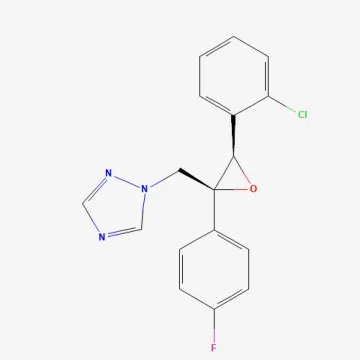
Description
Mode of action
Epoxiconazole is a systemic fungicide belonging to the triazole chemical class. It is widely used in agriculture due to its strong curative and preventative properties, providing effective protection against a broad range of fungal pathogens.
The mode of action involves the inhibition of the C-14 demethylation step in the ergosterol biosynthesis pathway. This process is vital for the formation of fungal cell membranes, and its disruption leads to the death of the fungus.
Due to its systemic nature, the active ingredient is rapidly absorbed by the foliage and translocated within the plant. This movement protects not only the existing parts of the plant but also new growth that occurs after the application.
Epoxiconazole is characterized by its high stability in various environmental conditions. Its ability to adhere to the leaf surface ensures that it remains effective even if light rainfall occurs shortly after spraying.
The long residual effect of this substance allows farmers to maintain a high level of crop protection for an extended period, which helps in optimizing the spray schedule and reducing the need for multiple applications.
What it targets
The primary use of epoxiconazole is in cereal production for controlling various rusts, including brown, yellow, and stem rust. It is also effective against leaf blotch diseases such as Septoria and Pyrenophora.
In sugar beet cultivation, the compound is highly effective against Cercospora leaf spot, which is a major threat to yield and sugar content. It prevents premature senescence of the leaves.
Epoxiconazole is also used to control powdery mildew across various crops. Its broad-spectrum action makes it a versatile tool for integrated pest management programs in many parts of the world.
Furthermore, it shows efficacy against various Fusarium species, which can cause significant damage to the ears and reduce the grain quality. Its consistent performance makes it a standard choice for intensive farming.
- Rust (Puccinia spp.)
- Septoria leaf blotch
- Powdery mildew
- Cercospora leaf spot
- Fusarium ear blight
Rates and timing
The application rates of epoxiconazole depend on the infection pressure and the developmental stage of the crop. Typical rates range from 0.5 to 1.5 liters of formulated product per hectare.
Early application during the first signs of disease or as a preventative measure at specific growth stages (such as stem elongation or flag leaf emergence) is recommended for optimal results.
When preparing the spray solution, it is essential to ensure thorough coverage of the foliage. The use of appropriate water volumes per hectare is crucial for the systemic uptake of the fungicide.
To manage the risk of resistance, it is advisable to rotate the use of epoxiconazole with fungicides from different modes of action groups, such as strobilurins or carboxamides.
Compatibility with other pesticides should be confirmed through physical testing before mixing. Always follow the manufacturer's specific guidelines regarding tank mixes and application timing.
Restrictions
Applications should be avoided during strong winds to prevent drift onto non-target areas. Climatic conditions such as extreme drought or cold may temporarily affect the systemic uptake of the substance.
Operators must adhere to safety protocols, including wearing protective clothing and respirators, to avoid skin contact and inhalation. The product is considered potentially harmful to aquatic organisms.
Harvesting should only occur after the designated pre-harvest interval has passed to ensure that residues in the grain or sugar beet remain below the legal maximum limits.
Store the product in a cool, dry, and well-ventilated area. It must be kept away from children, livestock, and food supplies in a secure, locked cabinet to prevent accidental poisoning.
Disposal of waste containers and leftover solution must be performed in accordance with local environmental regulations. Never dispose of chemicals into sewage systems or natural water sources.
Content graph
Connections · Epoxiconazole
Most often together:
Marketplace
Products · 63


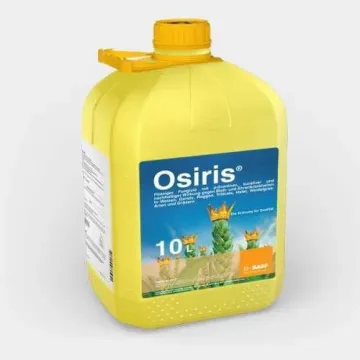


Record Quadro
ТОВ «Фабрика агрохімікатів», Черкаси, Україна
Insecticides
0
0
·
61
2 offers
30.66 €per 1 l
Buy

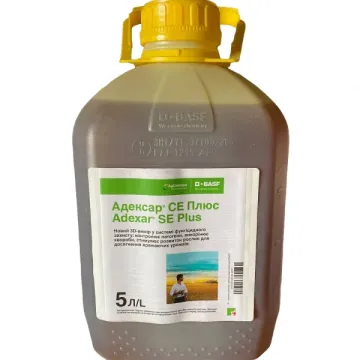


Alpha-Epoxil
«Юнісіті Ентерпрайсіс Л.П.», Единбург, Великобританія
Fungicides
0
0
·
56
1 offer
25.73 €per pack
Buy


RECORD-TRIO
«Нанджин Ессенс Файн-Кемікал Ко. Лтд» (Китай)
Insecticides
0
0
·
50
1 offer
8.42 €per 1 l
Buy


Capital
ТОВ «Фабрика агрохімікатів», Черкаси, Україна
Fungicides
0
0
·
41
11 offers
4.3 €per 1 l
Buy


Rekston
Ф.Суперус Ко ., Лтд., Гонг-Конг, Шанхай, Китай.
Fungicides
0
0
·
41
2 offers
27.31 €per 1 l
Buy

Fabus 497 KS
Фадер Альянс Лтд., Великобританія (Fader Alliance Ltd., England) на заводах Нідерландів, Польщі
Fungicides
0
0
·
37
2 offers
32.88 €per 1 l
Buy


Monolith t.c.s.
«Нанджин Ессенс Файн-Кемікал Ко. Лтд» (Китай)
Insecticides
0
0
·
66
No offers
—
Details

Spiral
China National Chemical Construction Ningbo Import & Export Co.
Fungicides
0
0
·
61
No offers
—
Details


Spotles
«Shenyang Sciencreat Chemicals Co., Ltd», Shenyang, Liaoning, Китай
Fungicides
0
0
·
45
No offers
—
Details


Afeha
«Shenyang Sciencreat Chemicals Co., Ltd», Shenyang, Liaoning, Китай
Fungicides
0
0
·
43
No offers
—
Details


Therapist Pro KS
Хімічні заводи «Органіка-Сажина»С.А., Нова Сажина, Польща
Fungicides
0
0
·
35
No offers
—
Details