
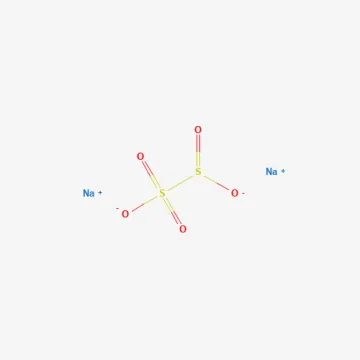
Sodium metabisulphite
Description
Mode of action
Sodium metabisulfite is an inorganic compound that exhibits significant fungicidal and bactericidal properties in agronomic practice. When interacting with moisture and in a slightly acidic environment, the substance releases sulfur dioxide, an active agent that inhibits the vital activity of pathogenic microorganisms.
The mechanism of action is based on disrupting metabolic processes within fungal and bacterial cells. Sulfur dioxide inhibits enzymatic reactions, leading to protein denaturation and the death of pathogen spores, thereby preventing their further spread across the treated material's surface.
The substance acts as a powerful antioxidant, impeding oxidative processes within plant tissues, which indirectly increases their resistance to spoilage during storage. It effectively suppresses the growth of mold fungi that thrive in conditions of high humidity and poor ventilation.
The preparation does not possess systemic action and primarily functions through contact. Its effectiveness is directly dependent on creating the necessary gas concentration in the intercellular space or the treatment zone, requiring airtight conditions for storage applications.
The high activity of sodium metabisulfite makes it an essential tool for disinfecting containers, storage facilities, and ensuring the preservation of produce after harvesting. It allows for effective control of micromycete populations without deep penetration into fruit tissues.
What it targets
The primary use of this compound in agriculture is related to protecting harvested crops from a wide spectrum of phytopathogens. It effectively combats rot pathogens, including gray mold and other types of mold affecting vegetables and fruits.
The product is used to treat facilities where agricultural produce is stored, preventing the development of bacterial colonies and fungal infections on surfaces. It is also utilized as a component for suppressing microflora during the processing of plant-based raw materials.
- Botrytis (gray mold)
- Penicillium rots
- Aspergillus
- Rhizopus
- Various types of decay-causing bacteria
Rates and timing
Application rates for sodium metabisulfite are strictly regulated based on the type of produce treated and the objectives of disinfection. Use requires precise adherence to dosage guidelines to eliminate the risk of damaging plant tissues with an excess of sulfur dioxide.
When used in storage facilities, the preparation is dosed based on the volume of the space being treated. It is crucial to consider air temperature and humidity, as the rate of active gas release directly correlates with these environmental parameters.
Waiting periods when used on commodity products must be observed in accordance with national sanitary standards. This time is typically necessary for the gradual reduction of residual sulfur dioxide concentrations to safe levels established for consumers.
Solutions of specific concentrations are used for disinfecting containers, followed by mandatory ventilation or rinsing. The use of dry preparations as gas generators requires specialized equipment for proper distribution of the substance.
Precise dosages must always be checked against the specific product manufacturer's instructions containing sodium metabisulfite. Errors in calculations can lead to either ineffective treatment or phytotoxicity and changes in the organoleptic properties of the produce.
Restrictions
The main limitation when working with sodium metabisulfite is its pronounced ability to irritate mucous membranes. Inhalation of vapors or direct skin contact may lead to allergic reactions and burns, therefore the use of personal protective equipment is mandatory.
The substance is incompatible with strong oxidizers and acids, as the reaction can proceed with rapid sulfur dioxide release. Storage of the preparation in high-humidity conditions must be avoided to prevent premature degradation of the active substance.
Application of the product is limited for certain sensitive crop varieties prone to sulfite accumulation or color changes upon contact with the reagent. Before large-scale use, conducting a test on a small quantity of produce is recommended to exclude damage.
It is necessary to control the content of residual sulfites in produce intended for export or retail sale. There are strict limits on the content of these compounds, and exceeding them renders the produce unfit for sale.
Operations must be carried out only in well-ventilated areas or outdoors while observing all safety regulations. Contamination of open water bodies and soil with the product is prohibited due to the potential disruption of ecological microbial balance.
Status in the European Union
Not approved in the EU
- Category (EU)
- FU - Fungicide
EU status is for reference only and does not replace national registration in your country.