
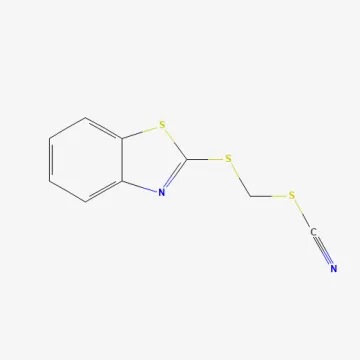
TCMTB
Description
Mode of action
Thiocarbamates are a vital chemical class of pesticides derived from thiocarbamic acid. They are widely utilized in modern agriculture for their efficacy as selective herbicides and broad-spectrum fungicides.
As herbicides, their primary mechanism involves the inhibition of lipid synthesis and cell division in meristematic tissues. This process effectively halts the growth of susceptible weed seedlings shortly after germination.
These herbicides are primarily absorbed through the root system or the coleoptile of weeds. Because of their volatility, they require immediate soil incorporation to remain effective and prevent loss due to evaporation.
As fungicides, thiocarbamates act as protective contact agents. They interfere with the enzymatic activities and metabolic pathways of fungi, preventing the germination of spores on plant surfaces.
A key property of this chemical group is its reliance on soil moisture for optimal herbicide activity. Adequate soil moisture ensures the active ingredient is available for uptake by developing weed seeds.
What it targets
Herbicide thiocarbamates are primarily used to control annual grasses and certain broad-leaved weeds. They are common in crops like corn, soybeans, sunflowers, and various vegetable varieties.
The fungicidal variants are highly effective against a broad array of fungal pathogens, including downy mildew, late blight, anthracnose, and various types of leaf spots and rots.
These compounds are frequently used as seed treatments. By coating the seed, they create a protective zone that shields the emerging plant from soil-borne pathogens during its most vulnerable initial growth phase.
In greenhouse operations, they are utilized for soil disinfection. This helps in suppressing soil pathogens before planting, leading to healthier seedlings and higher yield potential.
They also provide reliable protection for vineyards and orchards, helping to manage fungal infections throughout the growing season. Their contact action makes them an excellent choice for preventive spray programs.
Rates and timing
Application rates depend heavily on the specific formulation, the target crop, and soil characteristics. Soil-applied herbicides generally require rates ranging from 2 to 6 liters per hectare.
Timing for herbicide application is critical and restricted to pre-planting periods. Immediate mechanical incorporation into the soil is essential to ensure the compound reaches the target depth and remains stable.
Fungicidal sprays should be applied preventively, before the onset of visual symptoms. Intervals between applications are typically 10 to 14 days, depending on the weather conditions and disease pressure.
For seed treatment, strict adherence to the manufacturer's recommended dosage is necessary to ensure uniform coating without compromising seed germination or vitality.
In perennial crops, application rates are adjusted based on the canopy size. Proper calibration of spraying equipment is vital to ensure full coverage while minimizing chemical waste.
Restrictions
Strict safety precautions are required when handling thiocarbamates. Workers must use appropriate personal protective equipment, including respirators and chemical-resistant gloves, to avoid dermal or inhalation exposure.
Applications should be avoided during peak heat hours. High ambient temperatures can cause rapid volatilization, which reduces the persistence and overall efficacy of the treatment.
Phytotoxicity can occur if recommended rates are exceeded, especially in light, sandy soils. Careful calculation and precision spraying are necessary to prevent damage to the target crop.
Equipment must be thoroughly cleaned after use. Residues of thiocarbamates in the spray tank can potentially interact negatively with other pesticides used in subsequent treatments.
Storage must be in a cool, dry area away from direct sunlight. Improper storage can lead to the chemical degradation of the active ingredients, rendering the product ineffective or potentially harmful.
Status in the European Union
Not approved in the EU
- CAS number
- 21564-17-0
- Category (EU)
- FU - Fungicide
EU status is for reference only and does not replace national registration in your country.