

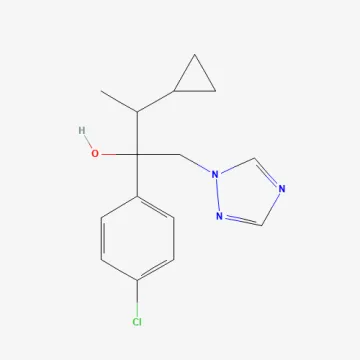
Description
Mode of action
Cyproconazole is a systemic fungicide belonging to the triazole chemical group. It is characterized by its high efficacy in controlling various fungal pathogens that affect modern agricultural crops.
The mode of action involves the inhibition of ergosterol biosynthesis, a vital component for the integrity of fungal cell membranes. This disruption leads to the cessation of growth and eventual death of the pathogen.
Being a systemic agent, cyproconazole is rapidly absorbed by plant tissues and translocated acropetally, providing comprehensive protection to newly growing parts of the plant.
It provides both curative and preventative effects, making it a valuable tool in integrated pest management programs to stop infections that have already initiated within the leaf tissue.
The substance is known for its fast-acting nature and high stability in the plant, which offers a prolonged window of protection against re-infection under favorable environmental conditions for fungi.
What it targets
Cyproconazole is effective against a broad range of fungal diseases, specifically targeting Basidiomycetes and Ascomycetes that cause significant yield losses in cereal production.
It is commonly applied to wheat, barley, rye, and sugar beet, where it demonstrates excellent control over various leaf and stem pathogens that compromise crop development.
- Brown and stem rust.
- Septoria leaf blotch.
- Powdery mildew.
- Rhynchosporium.
- Cercospora leaf spot.
By preventing these diseases, the fungicide helps maintain a healthy leaf canopy, ensuring optimal photosynthetic efficiency throughout the plant's life cycle.
It is particularly useful for protecting the flag leaf in wheat, which is essential for grain filling and achieving high-quality yields in commercial farming.
Rates and timing
Application rates for cyproconazole depend on the specific formulation and the severity of the disease pressure. Standard field doses typically range between 50 to 150 grams of active ingredient per hectare.
Timing the application is crucial; it should generally occur during the active vegetative growth phase, specifically from the jointing stage up to flowering to ensure maximum efficacy.
Adjustments to the dose rate may be necessary based on local climate conditions, the susceptibility of the crop variety, and the history of disease outbreaks in the specific field.
For large-scale applications, ensuring a uniform spray coverage is vital. Modern equipment should be calibrated to deliver the appropriate volume of water to reach all leaf layers.
It is highly recommended to rotate cyproconazole with other classes of fungicides to manage resistance effectively and maintain long-term crop productivity.
Restrictions
Handling cyproconazole requires strict adherence to safety protocols. Personnel must wear appropriate protective clothing, gloves, and eye protection to prevent skin and respiratory exposure.
Avoid applying the product in adverse weather conditions, such as high wind or extreme heat, to minimize drift and ensure the chemical remains on the target surface.
Cyproconazole is hazardous to aquatic life. Strict buffer zones must be maintained near water bodies to prevent contamination of surface water and sensitive ecosystems.
Always respect the pre-harvest interval (PHI) as stated on the product label. This ensures that the final food product is free from harmful residues and meets safety standards.
Store the product in its original, sealed container in a cool, dry, and well-ventilated area, ensuring it is kept away from food, feed, and unauthorized access.
Content graph
Connections · Cyproconazole
Most often together:
Marketplace
Products · 108


Dot
Шанхай Агрочайна Інтернешнел Трейд Ко., Лтд., Шанхай, Китай.
Fungicides
0
0
·
57
1 offer
12.28 €per 1 l
Buy


Maxon
Jiangsu Sevencontinent Green Chemical Co. Ltd, Jiangsu, КНР
Fungicides
0
0
·
48
5 offers
2.56 €per 1 l
Buy


Censor
НанжінгБуст Індастріал енд Трайдінг Корп, Китай
Fungicides
0
0
·
42
4 offers
10.03 €per 1 l
Buy


Akanto Plyus
«Дюпон Інтернешнл Оперейшнз Сарл», Швейцарія
Fungicides
0
0
·
41
23 offers
4.53 €per 1 l
Buy


TAFFIN 320
Фадер Альянс Лтд., Великобританія (Fader Alliance Ltd., England) на заводах Нідерландів, Польщі
Fungicides
0
0
·
35
2 offers
21.51 €per 1 l
Buy
DOT, KE
Шанхай Агрочайна Інтернешнел Трейд Ко., Лтд., Шанхай, Китай.
Fungicides
0
0
·
35
5 offers
12.04 €per 1 l
Buy

RESTLER TRIO
ТОВ «Фабрика агрохімікатів», Черкаси, Україна
Fungicides
0
0
·
33
14 offers
2.32 €per 1 l
Buy