
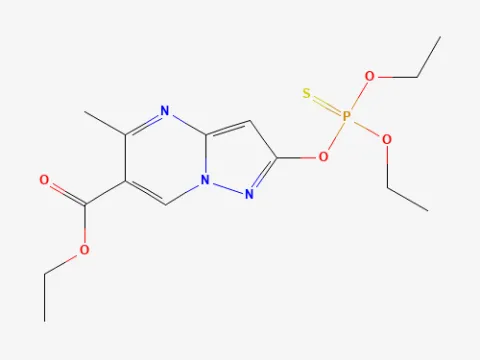
Pyrazophos
Pyrazophos is a systemic organophosphorus compound primarily utilized in agriculture for its potent fungicidal properties against various plant pathogens.
What the section contains
Pyrazophos
The mode of action involves the inhibition of specific fungal enzymes, which disrupts the metabolic pathways essential for the survival and growth of the fungus.
Upon application, the substance is absorbed by the plant tissues and translocated systemically, providing protection to treated areas and newly developed growth.
This compound acts not only as a protective barrier on the leaf surface but also possesses curative potential during the early stages of fungal infection.
Its unique chemical structure ensures a relatively long duration of activity, which is beneficial for maintaining a stable defense level during critical growth phases.
The primary use of pyrazophos is the control of powdery mildew, a disease caused by fungi that affects a wide range of horticultural and field crops.
It is effectively deployed against pathogens on cereals, vegetables, and fruit crops where powdery mildew poses a serious threat to yield and quality.
The fungicide is particularly effective in preventing the formation of mycelia and the subsequent dispersal of spores that can lead to crop devastation.
In addition to its main target, it demonstrates a degree of suppression against certain other fungal pathogens, contributing to overall plant health.
Effective management of these targets helps in maintaining the photosynthetic capacity of the crops, ensuring consistent productivity throughout the season.
Application rates for pyrazophos are determined based on the specific crop type, the intensity of the disease pressure, and the local environmental conditions.
To maximize efficacy, applications should ideally be timed with the first appearance of disease symptoms to prevent significant fungal colonization.
The volume of the spray solution must be sufficient to ensure complete coverage of the canopy, which is essential for the systemic activity of the compound.
It is recommended to follow a structured spray program, ensuring that the intervals between applications are appropriate for the lifecycle of the pathogen.
Strict adherence to the manufacturer's instructions regarding concentration is necessary to avoid both crop phytotoxicity and excessive residue levels.
As an organophosphate, pyrazophos requires careful handling and the strict use of personal protective equipment by all personnel involved in the application.
Application must be avoided during periods of high wind to prevent drift into non-target areas, including residential zones and water bodies.
Toxicological profiles indicate risks to beneficial insects, particularly bees, necessitating caution regarding timing to minimize environmental impact.
Compliance with pre-harvest intervals is mandatory to ensure that chemical residues in the final agricultural produce remain within safety standards.
Integrated pest management strategies suggest rotating pyrazophos with other fungicide classes to mitigate the risk of resistance developing within fungal populations.