

Rovral Aquaflow
БАСФ Агро БВ, Швейцарія, на заводі , Франція,Італія (Сієна)
Fungicides
0
0
·
4.1K
2 offers
41.48 €per 1 l
Buy
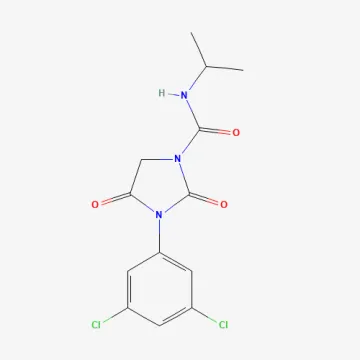
Iprodione is a dicarboximide fungicide primarily known for its effective contact activity. It serves as a protective barrier on plant surfaces, preventing fungal pathogens from establishing an infection.
The mechanism of action involves the inhibition of spore germination and the suppression of mycelial growth. It interferes with the cellular synthesis of nucleic acids, which disrupts the normal metabolic processes necessary for fungal development.
Because iprodione lacks systemic mobility within the plant, its efficacy depends heavily on thorough and uniform coverage. Proper application technology is essential to ensure all vulnerable plant parts are adequately protected.
This substance is effective as both a preventative and early-stage curative treatment. It plays a crucial role in integrated pest management (IPM) due to its unique site of action compared to many systemic alternatives.
Iprodione remains stable on the plant surface for an extended period, provided there is no immediate heavy rainfall. This stability offers a consistent duration of protection, which is vital for high-value specialty crops.
Iprodione is primarily used to combat a wide range of fungal diseases that cause rot and blight. It is particularly valued for its effectiveness against the Botrytis genus, which is a significant threat to many agricultural commodities.
The spectrum of diseases controlled includes:
It is widely applied on crops such as grapes, strawberries, tomatoes, and other vegetables both in greenhouse and open-field conditions. It is also used on technical crops like sunflowers and rapeseed.
Beyond field protection, iprodione is often used in post-harvest treatments or just before harvest to reduce losses during storage and transportation, ensuring a longer shelf life for perishable produce.
By controlling complex rot pathogens, this fungicide helps maintain both the quantity and quality of the yield, which is essential for meeting market standards and processing requirements.
The recommended application rates for iprodione typically range from 0.5 to 1.5 kg of active ingredient per hectare, depending on the crop growth stage, disease pressure, and regional agricultural practices.
Applying the product with appropriate intervals, usually every 10–14 days, is necessary to maintain an effective protective film. The number of applications per season is limited by strict regulations to prevent excessive residues.
Pre-harvest intervals (PHI) are critical safety components. Depending on the crop, the PHI usually ranges from 20 to 30 days, allowing the plant enough time to metabolize or shed the chemical residues before consumption.
Iprodione is often used in tank mixes with systemic fungicides to enhance efficacy. However, farmers should verify physical compatibility and follow label instructions regarding water quality and pH adjustments.
Optimal coverage is achieved when the spray volume is calibrated correctly for the canopy density, ensuring that both sides of leaves and fruit surfaces are covered without excessive runoff.
Iprodione is considered to have moderate toxicity to bees and aquatic organisms. Therefore, application should be avoided during peak pollinator activity and near sensitive water bodies to prevent environmental contamination.
Operators must adhere to strict personal protective equipment (PPE) requirements, including chemical-resistant gloves, protective clothing, and respirators to prevent inhalation or dermal contact during mixing and spraying.
To mitigate the risk of resistance development in target pathogens, iprodione should not be used exclusively. It is recommended to rotate it with fungicides belonging to different chemical classes, such as triazoles or strobilurins.
The product must be stored in its original container, in a cool, dry, and well-ventilated location. Exposure to direct sunlight or extreme temperatures can lead to chemical degradation and reduced performance.
Proper disposal of unused spray solutions and empty containers is mandatory. All practices must comply with local and national regulations to ensure the safety of agricultural workers and the environment.
Not approved in the EU
EU status is for reference only and does not replace national registration in your country.