
Otala
Otala
Description
How to identify
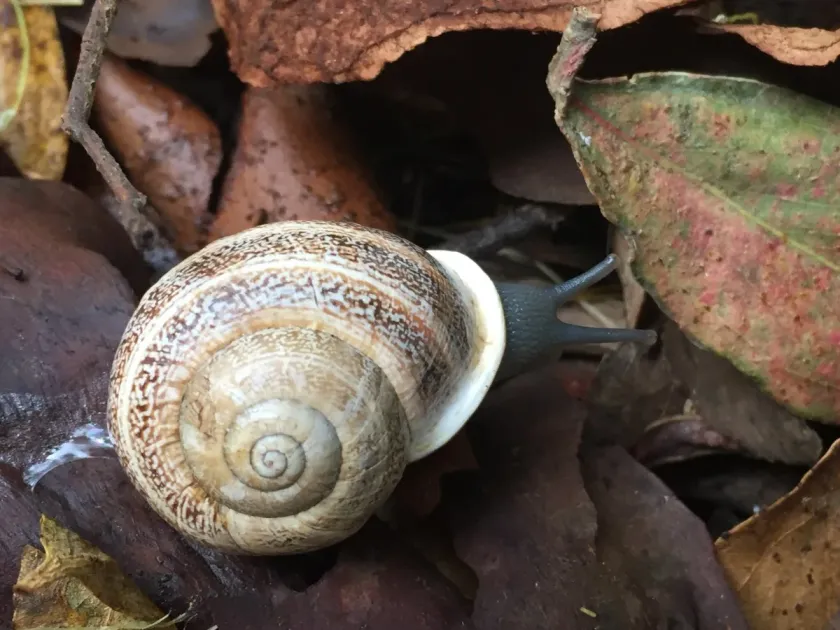
The genus Otala belongs to the Phylum Mollusca, Class Gastropoda, and Family Helicidae. These are land pulmonate snails characterized by a robust, globose shell that often features distinct dark and light banding patterns.
Visually, members of this genus resemble the common garden snail, but they are distinguished by the specific shape of the shell aperture and their physiological adaptation to survive in the arid climates of the Mediterranean and North Africa.
The snail's body is soft and coated in mucus, which serves as a protective mechanism against desiccation while moving across rough terrain. They are primarily nocturnal, preferring to hide in dense vegetation or soil during the day.
The lifecycle is heavily influenced by environmental humidity. During periods of extreme heat, these snails enter a state of aestivation, sealing their shells with a calcareous epiphragm to survive harsh, dry conditions.
Reproduction involves laying eggs in the soil. Upon hatching, young individuals possess fragile shells and immediately begin feeding on plant tissues, increasing in size steadily throughout the growing season.
What it damages
Otala species are polyphagous, meaning they feed on a diverse range of agricultural and horticultural crops. They cause significant damage to vegetable crops, berries, and ornamental plants by consuming both leaves and low-hanging fruit.
These mollusks pose a severe threat to young seedlings, including cabbage, lettuce, tomatoes, and cucumbers. Dense populations can decimate emerging crops overnight, resulting in total loss of stand.
In orchards and vineyards, these snails damage young buds and delicate foliage. Such feeding reduces the total photosynthetic area of the plant, significantly hindering its overall growth and vigor.
Beyond direct tissue destruction, Otala acts as a vector for various fungal and bacterial infections. The mucus trails left on plants provide an ideal medium for the development of opportunistic plant pathogens.
Economic impact is further exacerbated as feeding damage renders fruit and vegetables unmarketable, failing to meet the quality standards required for retail or long-term storage.
When it appears
Activity in Otala is highly dependent on humidity levels. In their native habitats, peak damage typically occurs during rainy seasons or when artificial irrigation keeps the soil surface moist.
In spring, rising temperatures combined with damp soil trigger the emergence of juvenile snails, which begin intensive feeding following their winter diapause period.
During the peak of summer heat, the pest enters a dormant state; however, regular irrigation in gardens and fields can trigger a false wake-up, leading to continued crop damage throughout the summer months.
Autumn brings cooler temperatures and increased rainfall, which causes a surge in mollusk activity. This is a critical period for feeding before they enter their winter overwintering phase.
Adult snails overwinter by burrowing into the soil, hiding under rocks, leaf litter, or within structural crevices where they can find stable moisture and temperature conditions.
Signs of infestation
The primary diagnostic sign of an Otala infestation is the presence of irregular-shaped holes in leaves, frequently appearing along the leaf margins or within the center of the foliage.
Shimmering, dried mucus trails on leaves, stems, and soil surfaces serve as definitive evidence of nocturnal activity by these gastropods.
Direct sightings of the snails, particularly in the morning, under soil clumps, wooden planks, or in dense weed patches, provide confirmation of their presence on the property.
Damaged fruit often exhibits deep, pitted excavations. Inside these wounds, one may find young snails hiding or clusters of their small, pearl-like eggs deposited in the surrounding soil.
- Presence of dark, stringy fecal matter left on the foliage.
- Sudden disappearance of seedlings or stems severed at the soil line.
- Noticeable stunting of plant growth due to continuous vegetative loss.
Control measures
Cultural control methods involve maintaining a clean garden environment: removing debris, wood, stones, and other potential daytime hiding spots to reduce the snail's habitat.
Mechanical collection is highly effective for small-scale infestations; gathering snails manually during the early morning or late evening is a simple yet reliable management technique.
Biological control can be enhanced by encouraging natural predators such as hedgehogs, frogs, toads, and certain predatory beetles that naturally feed on these mollusks.
Physical barriers, such as copper tape or rings of wood ash, lime, sawdust, or superphosphate, can discourage snails from reaching sensitive plants by creating a repellent surface.
In cases of severe infestation, the application of targeted molluscicides based on metaldehyde or iron phosphate, formulated as granular baits, provides effective control by suppressing the population directly.
Taxonomy
- Latin name
- Otala
- Order
- Molluscs
- Family
- Helicidae
- EPPO code
- OTALSP
Discussion
No discussions yet — be the first.