
White-lipped snail
Cepaea hortensis
Description
How to identify
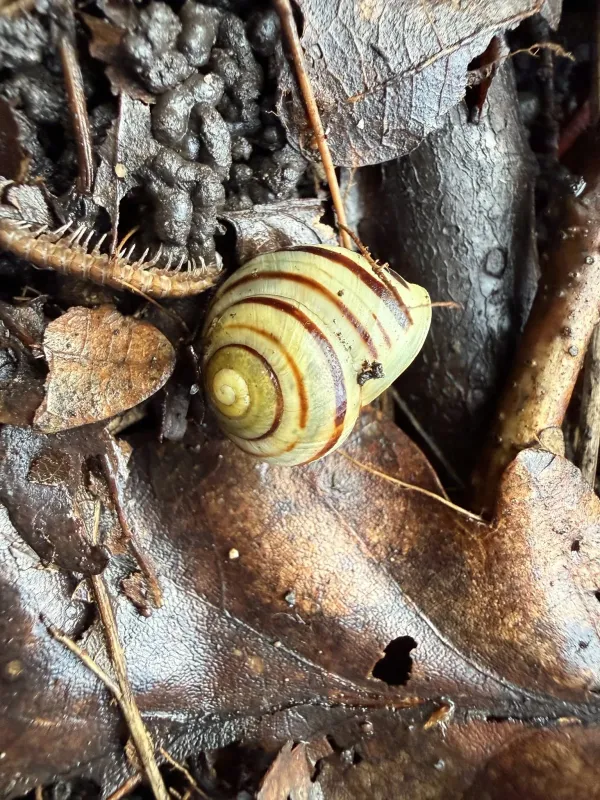
The white-lipped snail Cepaea hortensis is a member of the Helicidae family within the order Stylommatophora. It is a small gastropod mollusc with a characteristic globular shell typically measuring 15 to 25 mm.
The shell often displays spiral dark bands, though unicoloured shells in yellow or brown tones are also common. The most definitive feature of this species is the stark white lip surrounding the shell aperture.
Its body is soft and pale, featuring two pairs of retractile tentacles. The upper pair contains the eyes, while the lower pair acts as sensory organs for smell and touch.
These snails thrive in humid environments with dense vegetation, such as gardens, hedgerows, and woodland edges. They are primarily nocturnal, emerging from cover to feed during damp or overcast conditions.
The life cycle begins with eggs laid in moist soil. Upon hatching, juveniles grow rapidly, developing their protective calcified shells and reaching maturity within one or two seasons.
What it damages
This snail is a generalist herbivore, known to consume a wide variety of plant tissues, making it a persistent nuisance for gardeners and agricultural producers alike.
Young seedlings of leafy vegetables, including lettuce, cabbage, and spinach, are highly vulnerable to snail grazing, often resulting in complete crop loss during the early stages.
In ornamental flower gardens, these snails frequently target hostas, lilies, and phlox. They consume both foliage and flower buds, significantly reducing the aesthetic value of the plants.
Soft fruits like strawberries are particularly susceptible, as snails bore into the fruit, causing premature rot and rendering them unusable for consumption or sale.
Beyond garden crops, they can feed on the soft shoots of young shrubs and perennial herbs, especially in nursery settings where dense planting provides ideal conditions for the pests.
When it appears
Activity begins in early spring as temperatures rise above 10°C, with the snails emerging from their winter hibernation sites in the soil or under debris.
Peak activity and feeding intensity are typically observed throughout the summer months, particularly during periods of frequent rainfall or high atmospheric humidity.
During dry, hot weather, snails enter a state of dormancy to prevent dehydration, often retreating into crevices, deep soil, or thick layers of mulch until conditions improve.
Reproduction occurs throughout the growing season, which can lead to rapid population increases if weather conditions remain consistently favourable.
As autumn approaches and temperatures drop, the snails prepare for overwintering, though they may remain active on mild nights until the first frost of the season.
Signs of infestation
The most prominent sign of a snail infestation is the presence of irregular holes in leaves, characterized by ragged edges where tissue has been rasped away.
Dried, silvery trails of mucus found on foliage, stems, or pavement act as a clear indicator of snail pathways and foraging activity from the previous night.
- Ragged leaf margins on young vegetable seedlings.
- Silvery dried mucus trails on soil and foliage.
- Hollowed-out spots or deep gashes in soft fruits.
- Small fecal pellets left behind on the surface of damaged leaves.
Visual inspection during the night or early morning usually reveals the snails themselves, often congregating near the base of the damaged plants.
Control measures
Cultural control involves maintaining a tidy garden by removing weeds and debris, which eliminates the moist, sheltered environments required by snails for daytime rest.
Hand-picking snails during evening hours is a highly effective, non-toxic method for managing populations in smaller areas or kitchen gardens.
Creating physical barriers using crushed eggshells, coarse sand, or diatomaceous earth around the perimeter of beds can deter snails from reaching protected crops.
Chemical control measures typically involve the use of iron phosphate-based baits, which are safer for pets and wildlife compared to older metaldehyde-based formulations.
Encouraging natural predators such as hedgehogs, toads, frogs, and ground beetles can provide biological control, keeping snail numbers below damaging levels.
Taxonomy
- Latin name
- Cepaea hortensis
- Order
- Molluscs
- Family
- Helicidae
- EPPO code
- CEPAHO
Discussion
No discussions yet — be the first.