
Arianta
Arianta
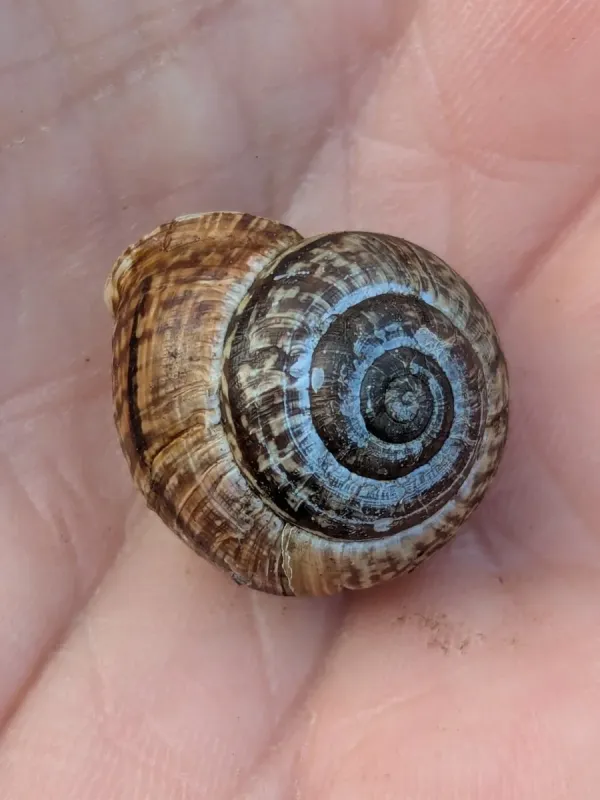
Description
How to identify
Arianta, specifically the species Arianta arbustorum, is a terrestrial pulmonary mollusk belonging to the Helicidae family. Adult individuals possess a globular-conical shell ranging from 15 to 25 millimeters in diameter.
The shell color ranges from yellowish-brown to nearly black, often featuring a distinct spiral pattern of dark bands. The shell surface may also display small spots, which serve as camouflage in leaf litter.
The body of the snail is typically grey or brownish and produces a protective mucus. These snails require high humidity levels to maintain their physiological functions and thrive in moist environments.
The life cycle includes stages of eggs, juveniles, and adults. They reproduce by laying eggs in moist soil or under organic debris, ensuring the survival of the next generation.
Under favorable weather conditions, these snails can establish dense populations that spread rapidly across agricultural areas, utilizing various vegetation as their primary food source.
What it damages
Arianta is a polyphagous pest that feeds on a wide range of plants. Vegetables, berries, and young shoots of ornamental plants are among the most frequently attacked crops.
The pest poses a severe threat to vegetable seedlings, such as lettuce, cabbage, and legumes, as they can consume the entire tender plant tissue, leading to complete crop failure.
In orchards and gardens, these snails damage strawberry leaves and fruits, significantly reducing both yield and marketability due to slime trails and mechanical feeding damage.
Arianta also feeds on weeds, which allows the population to persist and thrive even in poorly managed garden areas, providing a consistent food supply throughout the season.
Economic damage stems from both direct loss of vegetative biomass and the potential for transmitting plant pathogens through the wounds created during feeding.
When it appears
Activity begins in the spring when soil temperatures rise and moisture levels are sufficient for the snails to emerge from their overwintering sites.
Peak damage occurs during summer months characterized by frequent rainfall. In wet weather, these snails are active around the clock, significantly increasing their impact on vegetation.
During dry periods, Arianta enters a state of low activity, seeking shelter in moist areas such as soil crevices, under stones, or beneath boards to prevent desiccation.
In the autumn, snails feed intensively to prepare for winter dormancy and lay eggs, which ensures the continuation of their life cycle into the next growing season.
Adults and juveniles overwinter in soil cracks or under layers of decaying leaves, where they remain protected from extreme winter temperatures.
Signs of infestation
The primary symptom of an infestation is the appearance of irregular holes on leaves, often described as a shot-hole pattern or ragged leaf edges.
Silvery, glistening dried mucus trails are clearly visible on the soil surface, plant stems, and foliage, serving as a definitive indicator of snail activity.
During the night or following rainfall, the pests themselves can be observed feeding on plants, while they remain hidden in cool, damp spots during the day.
Damaged plant tissues are prone to rapid decay, especially in high-humidity conditions, which exacerbates the visible impact on the affected crops.
Severe infestations lead to stunted growth and the collapse of seedlings, as the snails frequently consume the terminal buds and vital growing points of young plants.
Control measures
Effective control involves cultural practices such as regular soil cultivation and the removal of weeds and garden debris that provide shelter for snails.
Creating physical barriers around garden beds using coarse sand, gravel, or wood ash is effective because the snails' soft bodies are irritated by these rough materials.
Chemical control using molluscicides, such as those containing iron phosphate or metaldehyde, is a viable option but must be used strictly according to label directions to ensure safety.
Manual collection and the use of traps, such as containers filled with beer or fermented fruit juice buried at soil level, can significantly reduce local populations.
Biological control methods include encouraging natural predators such as hedgehogs, frogs, toads, and various bird species, which help maintain the snail population at manageable levels.
Taxonomy
- Latin name
- Arianta
- Order
- Molluscs
- Family
- Helicidae
- EPPO code
- ARIASP
Discussion
No discussions yet — be the first.