
Roman snail
Helix pomatia
Description
How to identify
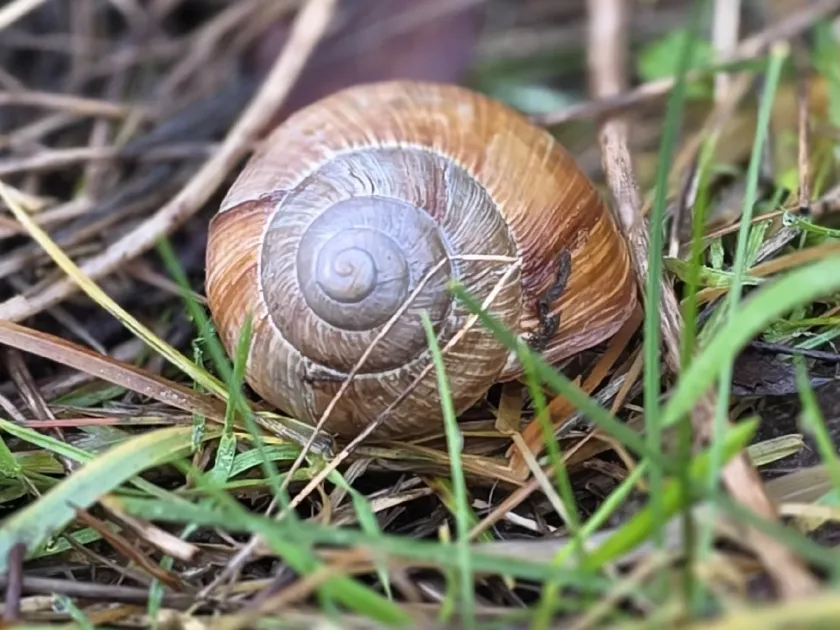
The Roman snail (Helix pomatia) is a large land snail belonging to the family Helicidae. It is characterized by a globular, spirally coiled shell that is typically creamy to light brown in color.
The body is soft and covered with a wrinkled, greyish-brown skin. Like other gastropods, it secretes a protective mucus that enables movement and prevents desiccation of the foot.
It possesses a radula, a specialized rasping tongue used for scraping plant tissue. This structure allows them to efficiently feed on leaves, stems, and fruits of various garden plants.
The species is known for its ability to hibernate during winter and estivate during droughts. It forms an epiphragm, a calcified seal, at the opening of its shell to remain dormant.
These snails are hermaphroditic and lay their eggs in moist soil. Under favorable conditions, the population can grow rapidly, leading to significant pest pressure in agricultural settings.
What it damages
As a generalist herbivore, the Roman snail causes extensive damage to both vegetable crops and ornamental plants. It favors succulent foliage and soft plant tissues.
Leafy vegetables such as lettuce, cabbage, and spinach are highly susceptible to damage. In vineyards, the snails consume leaves and young shoots, often leading to reduced plant vigor.
Ornamental flowers like hostas, lilies, and marigolds often suffer from aesthetic damage, with leaves becoming riddled with large, irregular holes that eventually destroy the foliage.
Beyond direct feeding, the mucus trails left by the snails on the surface of plants can lead to fungal infections and rot, further compromising the health and quality of the crop.
In cases of severe infestation, young seedlings can be completely defoliated overnight, causing significant losses for commercial growers and home gardeners alike.
When it appears
Roman snails emerge in early spring, once the soil warms up and moisture levels remain consistent. They are strictly nocturnal, preferring the cool air of the night for feeding.
Rainy and overcast summer days see the highest levels of activity. The snails are most active after rainfall, when they move freely across the soil and vegetation.
During the heat of the day, they seek shelter in shaded, humid areas. Common hiding spots include beneath garden debris, under thick vegetation, inside composting bins, or in moist soil crevices.
As autumn arrives and temperatures drop, the snails begin looking for suitable spots to bury themselves for overwintering, retreating into the soil to escape freezing temperatures.
The overall impact of the snail population is heavily dictated by the season's rainfall. Drier years naturally limit their movement and feeding activity, reducing overall damage.
Signs of infestation
The primary symptom of a Roman snail infestation is the presence of large, jagged holes in leaves. Unlike chewing insects, their feeding patterns leave smooth but broad voids.
Silvery, glistening slime trails are a definitive indicator of mollusk presence. These trails are frequently found on soil, stems, and leaves in the early morning hours.
Young plants or seedlings that have been completely wiped out, leaving only small, mutilated stem stubs, are a strong indication of nocturnal snail or slug activity.
Gardeners may find the snails themselves hiding under mulch, garden pots, or low-hanging foliage during the day, especially following a night of heavy rain.
A decline in the plant's overall health and the presence of decayed areas around the margins of eaten leaves often suggest that a colony of snails has been feeding for several days.
Control measures
Hand-picking snails in the early evening or late at night is the most sustainable and effective way to manage their population in small gardens.
Setting up simple traps, such as wooden boards or moist fabrics, can lure the snails during the day. These can then be gathered and disposed of every morning.
Physical barriers, including sharp-edged materials like wood ash, crushed eggshells, or gravel placed around sensitive plants, can deter snails from reaching their food sources.
Chemical control involving molluscicides containing metaldehyde can be applied if necessary. It is essential to strictly follow the label directions and safety guidelines regarding pre-harvest intervals.
Promoting a garden ecosystem that supports natural predators, such as hedgehogs, frogs, and ground beetles, can help keep snail populations in check without the use of chemical interventions.
Taxonomy
- Latin name
- Helix pomatia
- Order
- Molluscs
- Family
- Helicidae
- EPPO code
- HELXPO
Discussion
No discussions yet — be the first.