
Helix lucorum
Helix lucorum
Description
How to identify
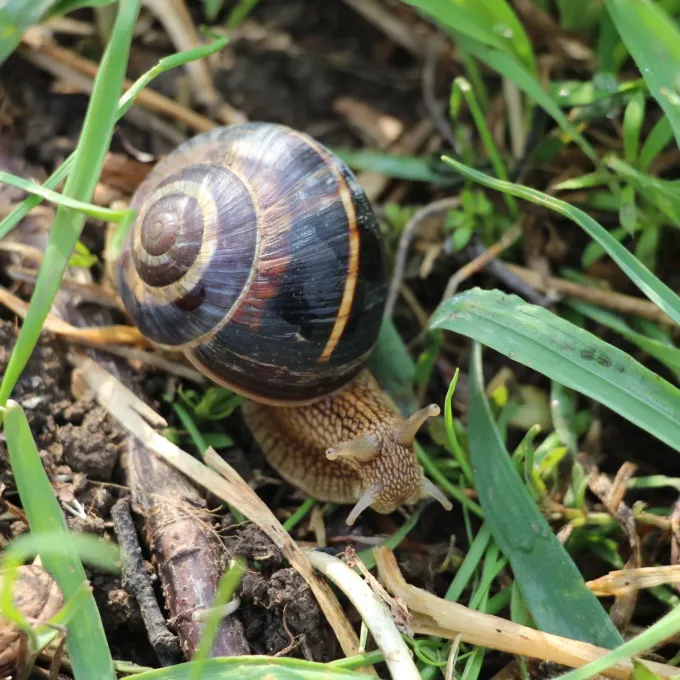
Helix lucorum, commonly known as the Turkish snail, belongs to the order Stylommatophora and the family Helicidae. It is a large terrestrial gastropod mollusk characterized by a robust, globose shell that can reach up to 50 mm in diameter.
The shell features a distinctive pattern of dark brown or black spiral bands against a lighter greyish-brown background. Its body is soft and muscular, covered in a mucus layer that facilitates movement and prevents desiccation in dry environments.
Unlike many other snail species, Helix lucorum shows a high degree of adaptability to varied climates, allowing it to expand its range into cultivated areas. It is primarily nocturnal and seeks shelter during the day.
The snail possesses a specialized rasping organ called a radula, which is covered in tiny teeth. This tool enables the snail to scrape through plant tissue, effectively consuming seedlings, leaves, and soft fruits with ease.
They reproduce by laying eggs in moist, sheltered soil. The lifecycle is relatively fast, and under optimal conditions of high humidity, they can multiply rapidly, leading to significant infestations in agricultural settings.
What it damages
This mollusk is a polyphagous pest, meaning it consumes a wide variety of plant species. It poses a severe threat to vegetable gardens, vineyards, and decorative plant nurseries.
In the spring, these snails cause extensive damage by consuming young seedlings and fresh sprouts. This often leads to total plant loss or stunted development, necessitating reseeding and reducing total crop yield.
In viticulture, they feed on leaves and young grape bunches. These feeding wounds are not only damaging in themselves but also serve as entry points for pathogens such as Botrytis cinerea (grey mold), which can ruin the entire harvest.
Ornamental plants, particularly those with broad, succulent leaves like hostas, are highly susceptible. Snails create unsightly ragged edges, often leaving only the tough veins of the leaf behind.
- Vegetables: cabbage, lettuce, cucumbers, squash.
- Fruits: grapes, strawberries.
- Ornamentals: hostas, lilies, irises.
When it appears
Activity typically begins in early spring once soil temperatures rise consistently above 10-12 degrees Celsius and rainfall provides adequate moisture. This is when adults emerge from hibernation.
The peak period of damage occurs during warm and wet summer months. During periods of drought, the snails may enter estivation (a state of dormancy), burying themselves in the soil or hiding under garden debris until conditions improve.
Autumn brings a second surge of activity as snails feed to store energy for winter. During this time, they often move towards root vegetables or decaying plant matter that remains on the surface.
Their life cycle includes egg, juvenile, and adult stages. Due to their ability to endure dormancy, their populations are often persistent and difficult to eradicate from a garden site permanently.
Gardens with excessive ground cover, dense weed growth, or lack of proper soil tillage provide ideal environments for their year-round survival and reproduction.
Signs of infestation
The most obvious signs of a Helix lucorum infestation are irregular, large holes in leaves. In severe cases, the foliage may appear shredded, leaving only the structural veins remaining.
Silvery, glistening trails of dried mucus found on paths, garden walls, or stems are definitive evidence of snail activity. These trails are usually more prominent in the early morning.
Deep, pit-like lesions on fruits or vegetables often indicate snail feeding. These injuries are prone to secondary rot and bacterial infections, which quickly deteriorate the quality of the produce.
Inspecting the garden at night with a flashlight often reveals the snails actively feeding on plants. This is the most effective way to estimate the current population density.
Finding empty shells or clusters of translucent eggs beneath mulch or moist debris is a clear indicator that the snails are well-established and breeding in that specific area.
Control measures
Mechanical control involves the regular removal of garden debris, such as piles of wood, stones, or rotting leaves, where snails seek refuge during the day. Hand-picking in the evening is highly effective for small gardens.
Cultural methods focus on maintaining a tidy garden. Regular weeding and tilling of the soil disrupt egg-laying sites and reduce the moist, protected habitats that these mollusks prefer.
Physical barriers can be placed around sensitive plants. Materials like crushed eggshells, coarse gravel, or lime can irritate the snail's soft body, discouraging them from crossing onto the plants.
Biological control methods include encouraging natural predators such as hedgehogs, toads, and birds. Beneficial nematodes that specifically target mollusks can also be applied to the soil to reduce population levels safely.
Chemical control should be used as a last resort. Products containing iron phosphate are generally safer for non-target wildlife and pets compared to metaldehyde. Always apply bait in covered stations to protect the environment.
Taxonomy
- Latin name
- Helix lucorum
- Order
- Molluscs
- Family
- Helicidae
- EPPO code
- HELXLU
Discussion
No discussions yet — be the first.