
Roman snail
Helix
Description
How to identify
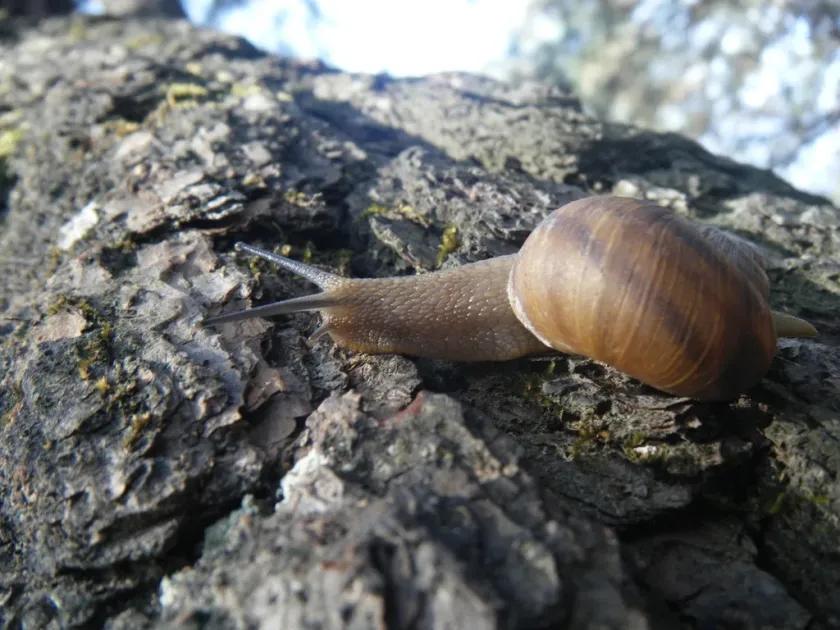
The Roman snail (Latin: Helix pomatia) is a species of land snail belonging to the family Helicidae, widely recognized by its large, globular, and spiral shell.
The shell typically reaches a diameter of 30 to 50 mm and is brownish or yellowish in color with darker stripes, providing excellent camouflage in vegetation.
It possesses a muscular foot for locomotion and two pairs of tentacles on its head; the upper pair carries eyes, while the lower pair is used for smelling and touching.
They are hermaphroditic and lay eggs in moist soil, where they eventually hatch into small versions of the adults, protected by a thin, soft shell.
Roman snails thrive in damp environments where limestone is present in the soil, which is a crucial element for shell maintenance and growth.
What it damages
These mollusks are significant pests, characterized as polyphagous, meaning they consume a wide range of horticultural and agricultural crops.
They are especially known for damaging vineyards, as they feed on young leaves, buds, and even developing grape clusters, affecting yield quality.
Vegetable crops such as lettuce, cabbage, and young seedlings are particularly vulnerable to their grazing, often leading to complete destruction of patches.
Ornamental flowers are also frequently attacked, with the snails leaving ragged holes in foliage and eating petals, ruining the plant's decorative value.
Soft fruits like strawberries are prime targets, as snails consume the ripe fruit, which can lead to decay and spread of plant diseases.
When it appears
The activity of Roman snails is highly dependent on humidity levels, peaking during spring and summer months following rainy periods.
They are primarily nocturnal or active during overcast days, seeking food and moisture when the ambient temperature is mild and the air is humid.
During dry and hot periods, they remain inactive by retreating into their shells and sealing them with a mucus membrane to prevent desiccation.
Hibernation begins as temperatures drop in autumn, with the snails burrowing into the soil to remain protected throughout the cold winter months.
The life cycle is closely synchronized with the growing season, where they utilize periods of high humidity to maximize their feeding and reproductive output.
Signs of infestation
The most distinctive sign of infestation is irregular, ragged holes in the leaves, often starting from the edges of the leaf blades.
Shiny, silvery trails of dried mucus left on soil, leaves, and plant stems are clear indicators that snails have been active in the area overnight.
Aggregations of snails may be found during the day under debris, stones, wood piles, or dense vegetation where they seek shade and moisture.
Damage to seedlings is often severe, leading to stunted growth or total plant loss within a very short timeframe after planting.
In fruits and vegetables, deep, messy gouges indicate snail feeding, which distinguishes their damage from that caused by insects like beetles or caterpillars.
Control measures
Cultural control involves keeping the garden clean by removing debris, boards, and overgrown weeds where snails can find daytime shelter.
Physical barriers such as copper tape, crushed eggshells, or wood ash spread around the base of plants can effectively discourage them from climbing.
Manual collection of snails during the evening or early morning is a simple and effective method for smaller garden areas or minor infestations.
- Setting beer traps or baited traps to collect and remove the snails from the garden site.
- Encouraging natural predators such as hedgehogs, frogs, thrushes, and ground beetles to reside in the garden.
- Using iron phosphate-based molluscicides, which are safer for pets and wildlife compared to older chemical alternatives.
Always apply baits and control products according to the manufacturer’s instructions to ensure safety and effectiveness while protecting your harvest.
Taxonomy
- Latin name
- Helix
- Order
- Molluscs
- Family
- Helicidae
- EPPO code
- HELXSP
Discussion
No discussions yet — be the first.