
Helicigona
Helicigona
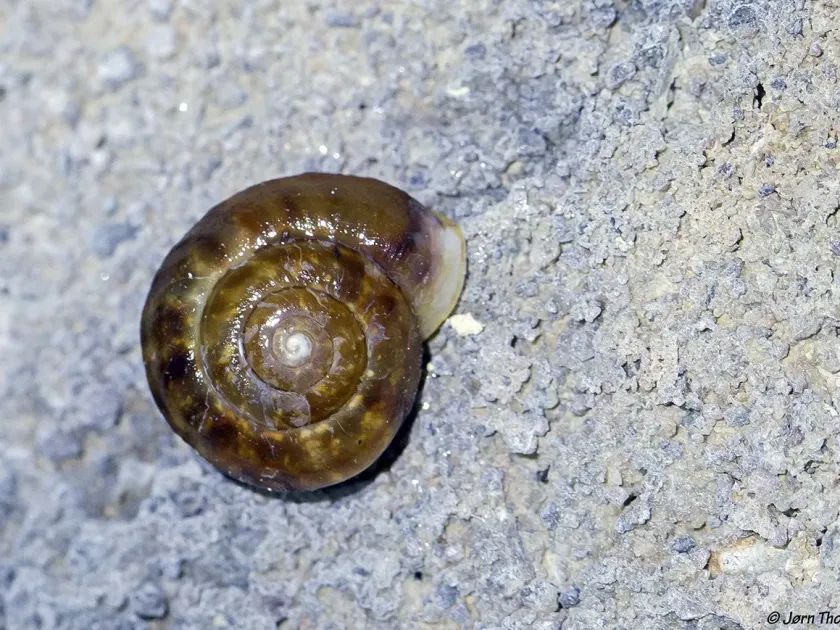
Description
How to identify
Helicigona is a genus of land snails belonging to the Helicidae family, within the order Stylommatophora. These snails are characterized by a somewhat flattened or moderately convex shell, often featuring specific patterns and coil structures.
The snail's soft body is covered in mucus, which is essential for preventing dehydration and facilitating movement. As they move across surfaces, they leave behind distinctive, shimmering trails of dried mucus.
Their life cycle is highly dependent on environmental humidity. They thrive in shaded areas with dense vegetation, utilizing leaf litter and moist soil as their primary habitats.
Reproduction involves laying eggs in moist soil or under organic debris. After hatching, the juveniles begin feeding immediately, gradually increasing in size throughout the growing season.
While many Helicigona species are primarily woodland inhabitants, they can become significant agricultural pests when their natural habitats border cultivated fields, leading to migration into vegetable gardens.
What it damages
These gastropods are polyphagous, capable of feeding on a wide range of plants. They cause the most severe damage to vegetable crops such as lettuce, cabbage, cucumbers, and young ornamental seedlings.
They pose a specific threat to berry crops, particularly strawberries, by damaging the fruit. This makes the harvest unmarketable and susceptible to further rot caused by secondary infections.
In gardens, they feed on succulent plant tissues, including leaves and young stems. This feeding behavior weakens the plants, stunts their growth, and reduces their overall resistance to diseases.
Root vegetables like carrots and beets may also be attacked if the upper parts are exposed or if the soil provides enough moisture and shelter for the snails to thrive near the roots.
The level of damage significantly increases during years with high rainfall, which encourages population growth and allows the snails to spread rapidly throughout the garden area.
When it appears
The activity period for Helicigona spans the entire growing season, beginning in early spring as soon as soil temperatures rise above freezing and the risk of frost diminishes.
Peak activity occurs at night and during periods following rainfall. High air humidity is a critical factor for their successful movement and foraging activities throughout the garden.
During dry summer periods, snails retreat deep into the soil or find refuge in thick weed patches where the microclimate remains sufficiently moist to protect them from heat and dehydration.
Autumn brings renewed activity as temperatures drop and rainfall increases, continuing until the onset of hard frosts, when they enter hibernation to survive the winter.
They overwinter in soil crevices, beneath layers of mulch, or under piles of organic matter, demonstrating high resilience to varying weather conditions and dormant states.
Signs of infestation
A primary indicator of Helicigona presence is the occurrence of irregular holes in leaves. Unlike insect pests that may chew edges, these snails often consume the tissue leaving distinct irregular gaps.
Shimmering, silvery trails of dried mucus found on leaves, soil, or paths serve as the most reliable sign that snails have been active in the area during the night.
Fruit and berries often show deep pits or scooped-out areas. These feeding sites quickly become breeding grounds for bacteria and fungi, leading to rapid decay of the entire fruit.
During the day, if you inspect shaded areas, beneath pots, or under dense foliage, you can often find the snails themselves hiding away from the direct sun.
- Silvery mucus trails on paths and leaves.
- Irregular holes eaten in foliage.
- Damage to ripening berries and fruit.
- Presence of snails in damp, shaded hiding spots.
Control measures
Effective management begins with cultural practices: keeping the garden free of weeds, thinning dense plantings, and improving soil drainage to reduce overall humidity levels.
Manual collection during morning hours or setting up beer traps (containers buried level with the soil) are effective ways to reduce snail populations in smaller garden plots.
Creating physical barriers around vegetable beds using sharp sand, wood ash, or lime acts as a deterrent, as snails tend to avoid crossing these irritating or drying substances.
For severe infestations, molluscicides containing metaldehyde may be used. These must be applied carefully in areas where snails congregate, always following label instructions to ensure safety.
Biological control methods involve encouraging natural predators in the garden, such as hedgehogs, toads, frogs, and ground beetles, which actively feed on snails and help keep their numbers in check.
Taxonomy
- Latin name
- Helicigona
- Order
- Molluscs
- Family
- Helicidae
- EPPO code
- HLGNSP
Discussion
No discussions yet — be the first.