
Eobania vermiculata
Eobania vermiculata
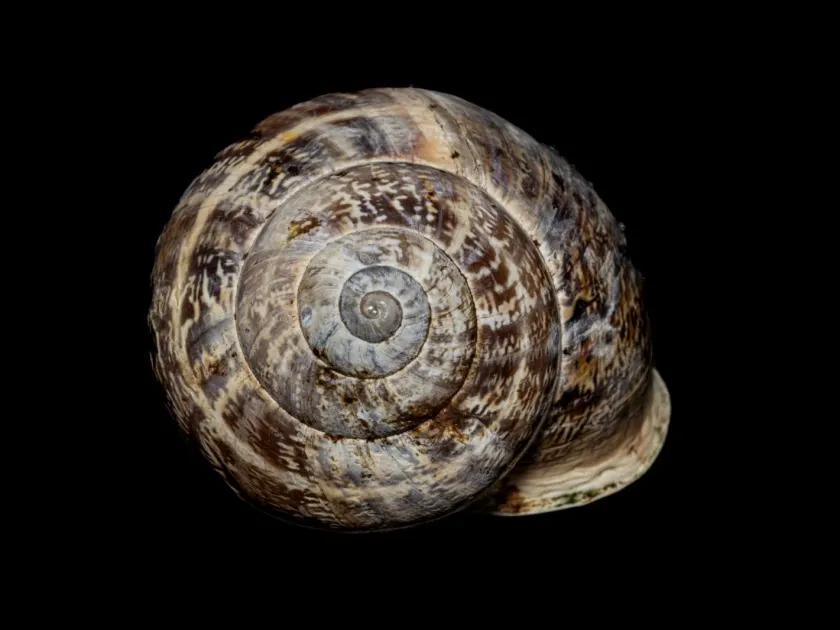
Description
How to identify
Eobania vermiculata, commonly known as the chocolate-band snail, is a terrestrial gastropod mollusc belonging to the family Helicidae. Its shell typically measures 25–35 mm in diameter and features a distinctive pattern of dark, often interrupted bands on a lighter background.
The snail's body is generally grey or light beige. Unlike slugs, this mollusc possesses a sturdy shell that provides a significant advantage by allowing it to survive harsh, dry conditions through aestivation, a state of metabolic dormancy.
Originating from the Mediterranean region, this species has successfully expanded into various climates globally. During periods of high humidity, they tend to aggregate in large colonies on plant stems, fence posts, and wall surfaces.
Eobania vermiculata is a hermaphrodite, meaning each individual can reproduce, which contributes to rapid population growth under favorable environmental conditions. High humidity and moderate temperatures are ideal for their active cycle.
Identification is easily achieved by observing the characteristic banding pattern on the shell and noticing the high density of individuals gathering in shaded or moist areas during dusk or nighttime.
What it damages
This pest is highly polyphagous, meaning it feeds on a wide range of agricultural crops. Vegetables such as lettuce, cabbage, tomatoes, and cucumbers are particularly susceptible, as snails can consume entire leaves, leading to severe defoliation.
The snail also poses a serious threat to fruit tree saplings and vineyards. By scraping the bark and young shoots, the mollusc weakens the plants and creates entry points for secondary fungal and bacterial diseases.
Ornamental gardens often suffer significant losses as Eobania vermiculata feeds on flower buds, destroying the aesthetic and commercial value of plants such as roses, irises, and lilies.
In regions with frequent rainfall, this species can invade grain and industrial crops in massive numbers. Such outbreaks can lead to substantial reductions in crop yield and quality over a very short period.
Beyond physical consumption, the pest contaminates plants with slime and excrement, which reduces the marketability of fresh produce and may hinder the photosynthetic process of the leaves.
When it appears
The active season for Eobania vermiculata begins in the spring, once the soil temperature increases and rainfall provides the necessary humidity for the snails to emerge from hibernation.
Their activity peaks during the summer months, particularly after heavy rains. When temperatures become too high or dry spells occur, they retreat into their shells and attach themselves to surfaces to conserve moisture.
Reproduction occurs continuously throughout the growing season as long as environmental conditions remain conducive. This allows the population to expand rapidly during the peak of the agricultural cycle.
As autumn approaches, activity remains high until temperatures drop significantly. This is the period when they prepare for wintering by feeding intensively on available plant material.
The overwintering phase occurs in the upper layers of the soil, under plant debris, or within rock crevices, where they remain protected until the return of warmer spring weather.
Signs of infestation
The most common sign of an infestation is the presence of irregular, ragged holes in leaves, caused by the rasping action of the snail's radula (a tongue-like organ with teeth).
Shimmering, silvery trails of dried mucus left on leaves, stems, and soil surfaces serve as definitive proof that Eobania vermiculata is active within the garden area.
Direct sightings of the snails on the undersides of foliage or on ripening fruit during the evening or early morning are common indicators of a high infestation level.
The presence of dark, granular excrement around the base of plants indicates a concentration of snails feeding in that specific location, necessitating immediate intervention.
In cases of severe infestation, plants may show visible signs of growth retardation, wilting, or damage to the primary growing tip, which significantly impacts plant health.
Control measures
Effective control starts with good agricultural practices, such as removing weeds and garden debris that provide shelter for snails, and regular soil cultivation to destroy egg clusters.
Mechanical control involves the use of traps made from damp boards, burlap, or cloth, which are placed in the garden to collect snails during the day for manual disposal.
Creating physical barriers using materials like lime, wood ash, or crushed eggshells around garden beds can prevent snails from moving into protected areas due to the abrasive nature of these substances.
In larger infestations, the use of molluscicides containing iron phosphate or metaldehyde can be effective, provided that application guidelines are followed strictly to avoid environmental impact.
Encouraging natural predators such as hedgehogs, birds, and carabid beetles creates a more balanced ecosystem, which helps naturally regulate snail populations and reduces the reliance on chemical methods.
Taxonomy
- Latin name
- Eobania vermiculata
- Order
- Molluscs
- Family
- Helicidae
- EPPO code
- EOBAVE
Discussion
No discussions yet — be the first.