
Eobania
Eobania
Description
How to identify
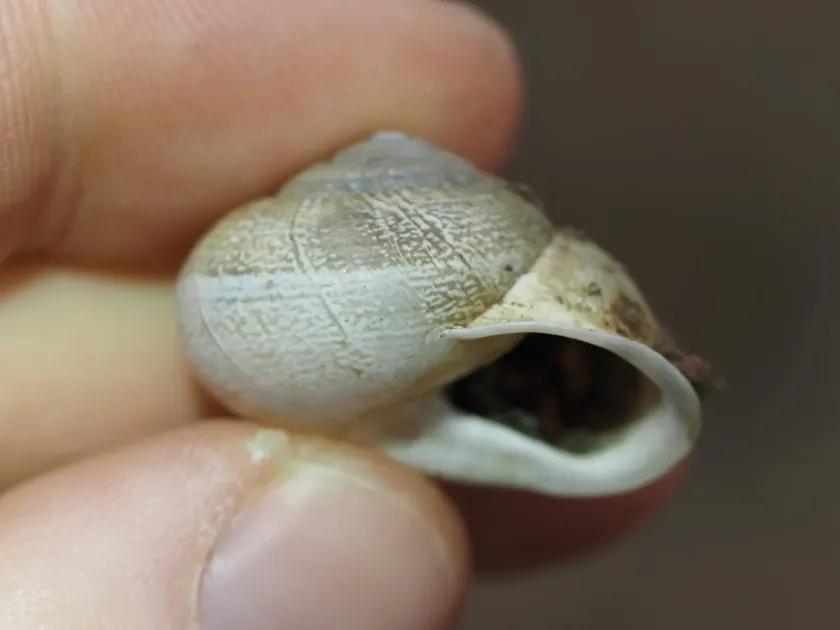
Eobania vermiculata, commonly known as the chocolate-band snail, is a land snail belonging to the Helicidae family. It is recognized as a significant agricultural pest in many regions.
The shell of this species is globose, reaching a diameter of approximately 25 to 30 mm. It usually features distinct brown spiral bands against a lighter, creamy or yellowish background.
The body is typical of gastropods, soft and moist, with a mucus-secreting foot that allows movement across various substrates. They possess two pairs of tentacles, with eyes located on the upper pair.
These snails are hermaphroditic, meaning each individual can reproduce, which allows for rapid colonization of new areas under favorable environmental conditions.
Their behavior is largely nocturnal; they spend daylight hours hidden in cool, damp places, emerging at night to forage for food.
What it damages
Eobania vermiculata is a polyphagous pest, meaning it feeds on a wide range of plant species, including vegetables, fruits, and ornamental plants.
Preferred hosts include lettuce, cabbage, strawberries, grapes, and various seedlings. In greenhouses, they can completely defoliate young plants within a few nights.
The damage manifests as large, irregular holes in leaves. In fruit crops, they often rasp away the skin, leading to rapid tissue decay and secondary infections from fungi or bacteria.
In addition to direct crop consumption, their presence on produce lowers the market value and creates aesthetic issues for commercial growers.
They can also act as intermediate hosts for various parasites, which poses risks to livestock if the snails are inadvertently consumed with fodder.
When it appears
The activity of these snails is strictly dependent on moisture levels. They are most active during spring and autumn when moderate temperatures and regular rainfall prevail.
During hot, dry summers or severe winter cold, they enter an aestivation or hibernation phase, sealing themselves inside their shells with a hardened mucus layer.
Breeding typically occurs when moisture is abundant. Eggs are laid in clusters within the soil, often under debris or stones, to ensure protection from desiccation.
Mass outbreaks are frequently observed after prolonged periods of heavy rain, which trigger the emergence of juveniles from their hidden soil nests.
Irrigated agricultural lands provide an ideal environment for these snails, allowing them to remain active throughout the entire growing season regardless of natural rainfall.
Signs of infestation
The most reliable sign of an infestation is the presence of dried, shimmering mucus trails left on leaves, stems, and soil surfaces during the night.
Leaves often show irregular feeding damage, ranging from small holes to completely stripped tissue, leaving only the primary veins of the leaf behind.
During the day, checking under garden debris, mulch, wooden planks, or stones will often reveal resting snails gathered in cool, moist pockets.
Empty shells or clusters of eggs found during routine garden maintenance (such as weeding or soil preparation) are strong indicators of a resident population.
Fruit damage, specifically shallow pits or wounds, often serves as an entry point for other pathogens, leading to visible rot on the produce.
Control measures
Effective management of Eobania requires an integrated approach that focuses on reducing their habitat and preventing their access to crops.
- Maintain a clean garden by removing weeds and plant debris that provide daytime shelter.
- Practice regular soil cultivation to destroy egg clusters and reduce moisture in the top layer.
- Install physical barriers like copper tape or rough textures (crushed eggshells, coarse gravel) around garden beds.
- Use commercially available molluscicides, such as those containing iron phosphate, which are safer for the environment.
- Encourage natural predators such as ground beetles, toads, and birds to help regulate the population naturally.
Taxonomy
- Latin name
- Eobania
- Order
- Molluscs
- Family
- Helicidae
- EPPO code
- EOBASP
Discussion
No discussions yet — be the first.