

Description
How to identify
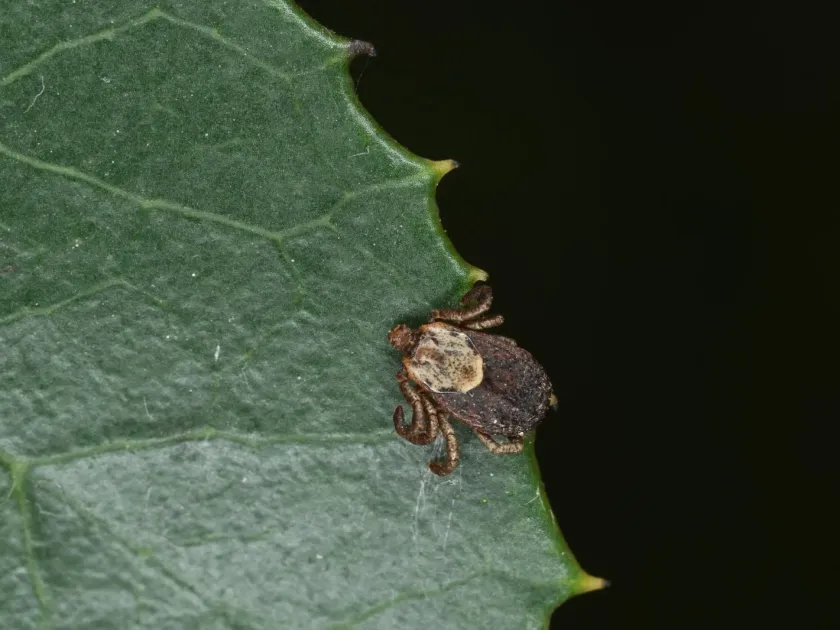
The Pacific Coast tick is a member of the Ixodidae family. As a significant member of the Dermacentor genus, it is easily recognized by the ornate, marble-like patterns present on its scutum.
Adult specimens show a deep brown base color with distinct pale, mottled markings. There are clear morphological differences between males and females, which are essential for precise identification in the field.
This species is a three-host tick, meaning it must find three different vertebrate hosts to complete its life cycle from larva to nymph and finally to adult. Each life stage requires a blood meal to progress.
The tick's mouthparts are robustly developed to anchor firmly into the host's skin, allowing for prolonged feeding. Females are particularly noteworthy for their ability to engorge to many times their original size after feeding.
Their distribution is primarily restricted to the western coastal regions of North America, where they thrive in habitats characterized by brush, grass, and woodland edges with moderate moisture levels.
What it damages
The Pacific Coast tick is not a crop pest, but it is a major veterinary concern. It primarily parasitizes livestock, including cattle, horses, and sheep, causing significant physical distress.
Animals suffering from heavy tick infestations experience severe stress, weight loss, and anemia. This economic burden on farmers is compounded by the reduced health status of the entire herd.
A critical threat posed by Dermacentor occidentalis is its capacity to act as a vector for serious pathogens, such as the bacteria responsible for tularemia and Rocky Mountain spotted fever.
Tick paralysis is another severe condition caused by toxins secreted in the tick's saliva during feeding. This can lead to ascending paralysis in livestock and requires urgent removal of the parasite to reverse symptoms.
Outbreaks on pastures can complicate livestock management and necessitate strict quarantine measures to prevent the spread of tick-borne diseases within the agricultural environment.
When it appears
The activity of the Pacific Coast tick follows a distinct seasonal pattern. Adult ticks are most active during the spring and early summer months when environmental conditions are ideal.
During the peak of the dry summer season, adult activity typically declines significantly. Ticks often enter a period of dormancy, seeking refuge in the leaf litter or near the soil surface.
A secondary peak of activity often occurs in the fall with the arrival of cooler, wetter weather, as adults emerge to seek hosts before the onset of winter temperatures.
The full life cycle generally spans one to two years. The speed of development is highly dependent on climate and the availability of suitable hosts to facilitate the transition between stages.
Recent climate trends toward milder winters have extended the window of activity for these ticks, creating a longer period of risk for livestock producers in endemic areas.
Signs of infestation
Detection involves regular manual inspection of livestock, focusing on areas with thinner hair and skin, such as the ears, groin, axilla, and the underside of the body.
The most obvious sign of an infestation is the presence of engorged adult ticks. The site of attachment often shows localized swelling, irritation, and sometimes minor necrosis from previous bites.
Livestock may exhibit behavioral changes indicating discomfort, such as frequent scratching, rubbing against fence lines, or restlessness. In some cases, animals may show signs of lethargy or weakness.
- Swollen lymph nodes in infected animals.
- Increased body temperature or fever.
- Loss of appetite and reduced general vigor.
- Local tissue inflammation at the bite site.
Proactive monitoring is essential, as early identification of ticks on the herd can prevent the onset of more serious systemic infections and paralysis cases.
Control measures
Effective management of Dermacentor occidentalis involves a multi-pronged approach that integrates chemical treatment with pasture management strategies.
Livestock should be treated with appropriate acaricides through sprays, dips, or the use of insecticide-impregnated ear tags to provide long-lasting protection against attachment.
Vegetation management is a key cultural control method. Clearing tall grasses, brush, and shrubbery along fence lines and grazing paths reduces the habitat available for ticks to "quest" for hosts.
Rotational grazing systems can be used to limit exposure by moving herds away from pastures during periods when tick populations are known to be at their highest density.
Regular veterinary consultation and strict adherence to vaccination protocols are necessary to mitigate the risks of tick-borne diseases that can devastate a herd.
Content graph
Connections · Pacific Coast tick
Most often together:
Marketplace
Products · 1
Biology
Taxonomy
- Latin name
- Dermacentor occidentalis
- Family
- Ixodidae
- EPPO code
- DERCOC
Community
Discussion
No discussions yet — be the first.