
Cayenne tick
Amblyomma cajennense
Description
How to identify
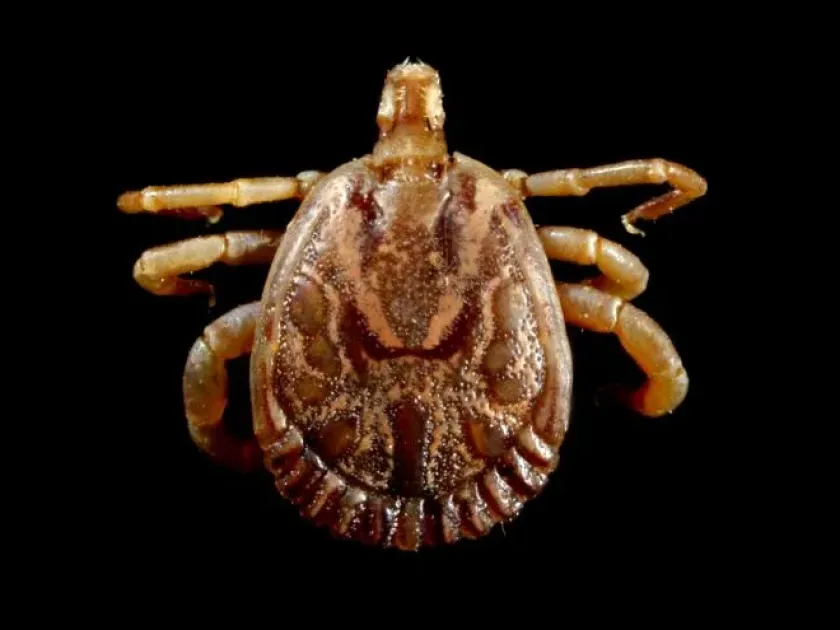
The Cayenne tick (Amblyomma cajennense) is a prominent species within the Ixodidae family, widely recognized for its impact on agriculture and veterinary health.
Adult ticks are characterized by a distinct pattern on the scutum (dorsal shield). The species exhibits significant sexual dimorphism, with males often showing more prominent ornamentation.
The life cycle involves four stages: egg, larva, nymph, and adult. This species is a three-host tick, meaning it requires a different individual host to complete each active life stage.
Ticks are highly sensitive to environmental conditions, preferring habitats with specific humidity levels that allow them to survive while questing for a host.
Proper identification of this tick is crucial for veterinary diagnosis, as it is a major vector for several significant pathogens that affect livestock productivity.
What it damages
The primary damage caused by Amblyomma cajennense is inflicted upon livestock, including cattle, horses, and various wild mammals that graze on infested lands.
While the tick does not feed on plant tissues, its presence causes indirect economic loss by rendering infested pastures unsafe for livestock grazing.
Ticks cause physical damage to the skin, leading to inflammation, secondary bacterial infections, and, in severe cases, weight loss and reduced milk production.
The most critical harm is the transmission of diseases, such as rickettsial infections, which can lead to high morbidity and mortality rates among the herd.
Chronic infestation weakens animals, making them more susceptible to other opportunistic infections and significantly increasing the cost of veterinary care.
When it appears
The activity of the Cayenne tick is heavily dependent on regional climatic conditions, particularly temperature and rainfall patterns.
Peak activity typically occurs during warmer and more humid months, which facilitate the rapid development of nymphs and larvae in the environment.
In regions with distinct dry and rainy seasons, the onset of rain often triggers a surge in tick activity, increasing the risk of infestation for grazing livestock.
Although adults can remain active throughout the year, their metabolic rate and questing behavior are significantly increased during the optimal thermal range.
Environmental monitoring of humidity and temperature is essential for predicting periods of high tick pressure and scheduling preventive interventions.
Signs of infestation
Livestock owners can observe signs of infestation through changes in animal behavior, such as persistent scratching or rubbing against fences and trees.
Clinical observation of the animals reveals the presence of attached ticks, usually concentrated in areas with thinner skin, such as the udder, ears, and groin.
The presence of bite marks, sores, and inflammation indicates that the animal is under heavy pressure from tick infestation.
A decline in the general health condition of the herd, including lethargy and loss of appetite, is a significant indicator of high parasite load.
Environmental signs include the visual presence of larvae or nymphs on vegetation, especially in overgrown, humid areas of the pasture.
Control measures
Managing the Cayenne tick requires an integrated pest management (IPM) approach that targets both the parasites on the animal and the population in the environment.
- Application of acaricides through dips, sprays, or pour-on treatments for livestock.
- Regular clearing of pastures to remove dense vegetation and reduce tick habitat.
- Use of insecticide-impregnated ear tags to provide long-term protection.
- Rotational grazing to disrupt the life cycle of the ticks by temporarily removing hosts.
- Strict quarantine procedures for new animals to prevent the introduction of ticks to the premises.
Careful selection and rotation of acaricides are necessary to prevent the development of resistance in tick populations.
Effective pasture management combined with consistent animal health monitoring is the most reliable strategy for minimizing losses caused by this pest.
Taxonomy
- Latin name
- Amblyomma cajennense
- Family
- Ixodidae
- EPPO code
- AMBYCA
Discussion
No discussions yet — be the first.