
Amblyomma
Amblyomma
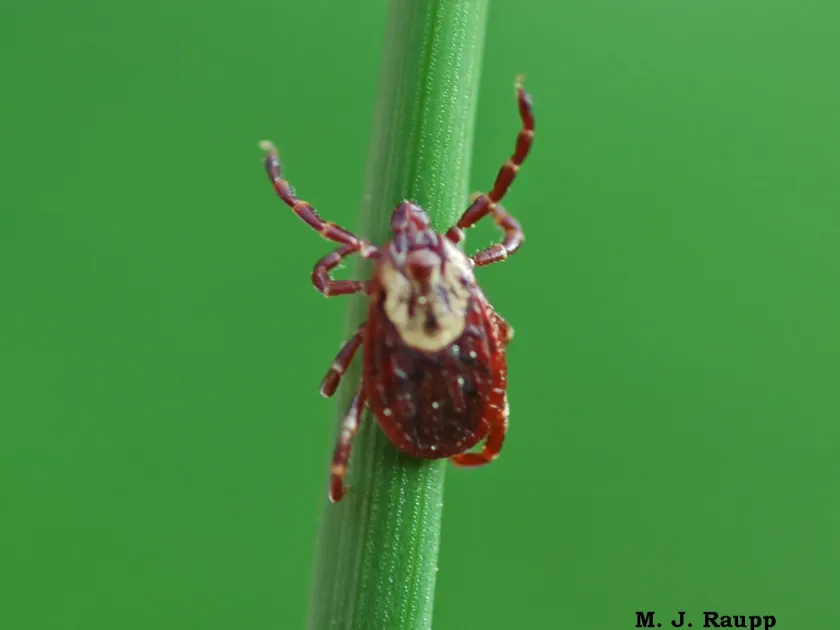
Description
How to identify
The genus Amblyomma belongs to the family Ixodidae, commonly known as hard ticks. These parasites are globally significant due to their impact on animal health.
These ticks are characterized by their relatively large size and, in many species, a distinct, ornate pattern on their dorsal shield, which aids in identification.
They possess long mouthparts (hypostomes) that allow them to attach firmly to their hosts for long-duration feeding, which is necessary for their development.
Amblyomma ticks follow a three-host life cycle, meaning that each life stage requires a different host to complete its development to the next stage.
Their sensory organs are highly developed, allowing them to detect environmental cues like CO2, body heat, and vibrations from potential host animals passing by.
What it damages
While Amblyomma ticks do not feed on plant tissues, they cause severe indirect damage to agricultural systems by parasitizing cattle, horses, and small ruminants.
They are major vectors for various pathogens, including bacteria and viruses, which cause diseases like heartwater and bovine babesiosis.
Heavy infestations lead to significant weight loss in livestock, stunted growth in calves, and reduced milk production in dairy herds.
Feeding sites often become necrotic or infected with secondary pathogens due to the irritation and tissue damage caused by the tick's saliva.
Farmers face substantial economic losses due to the mortality of livestock and the high costs associated with veterinary care and acaricide treatments.
When it appears
Amblyomma tick activity is heavily influenced by temperature and relative humidity, typically peaking during the warmer months of the year.
During the off-season, these ticks often remain dormant in the leaf litter or topsoil layers, waiting for suitable environmental conditions to emerge.
In tropical and subtropical regions, the activity of these ticks can be year-round, requiring constant vigilance from farm management.
The host-seeking behavior, or questing, usually occurs when ticks climb to the tips of grasses or shrubs to wait for passing hosts.
Understanding local seasonal patterns is essential for planning pasture rotation and timing the application of pest control products effectively.
Signs of infestation
Infestation is most commonly identified by performing physical inspections of livestock, specifically in areas with thinner skin such as the groin, udder, and ears.
Livestock behavior acts as a primary indicator: animals may exhibit restlessness, constant rubbing against fences, or tail switching due to irritation.
The presence of lesions, inflammation, or sores on the skin indicates localized tissue reactions to the ticks' mouthparts and saliva.
Systemic signs of illness, such as fever, lethargy, and anemia in the herd, strongly suggest that the parasites have successfully transmitted infections.
Observing a high density of ticks on pasture vegetation is a clear warning sign that immediate intervention and area management are required.
Control measures
Management strategies focus on a combination of chemical control on the animals and environmental manipulation to reduce tick populations.
Applying acaricides via dipping, spraying, or pour-on formulations is the standard practice for immediate protection of the livestock.
Pasture management, including controlled burning or mechanical mowing of tall grass and shrubs, helps destroy the ticks' natural questing habitats.
Implementing strict quarantine protocols for new livestock introductions prevents the spread of tick species into tick-free areas.
- Use of systemic pour-on acaricides.
- Installation of ear tags containing repellents.
- Regular inspection and manual removal.
Taxonomy
- Latin name
- Amblyomma
- Family
- Ixodidae
- EPPO code
- AMBYSP
Discussion
No discussions yet — be the first.