
Gulf Coast tick
Amblyomma maculatum
Description
How to identify
The Gulf Coast tick (Amblyomma maculatum) is a member of the Ixodidae family, recognized as a significant ectoparasite. It is a three-host tick, meaning it requires three different hosts to complete its complex life cycle.
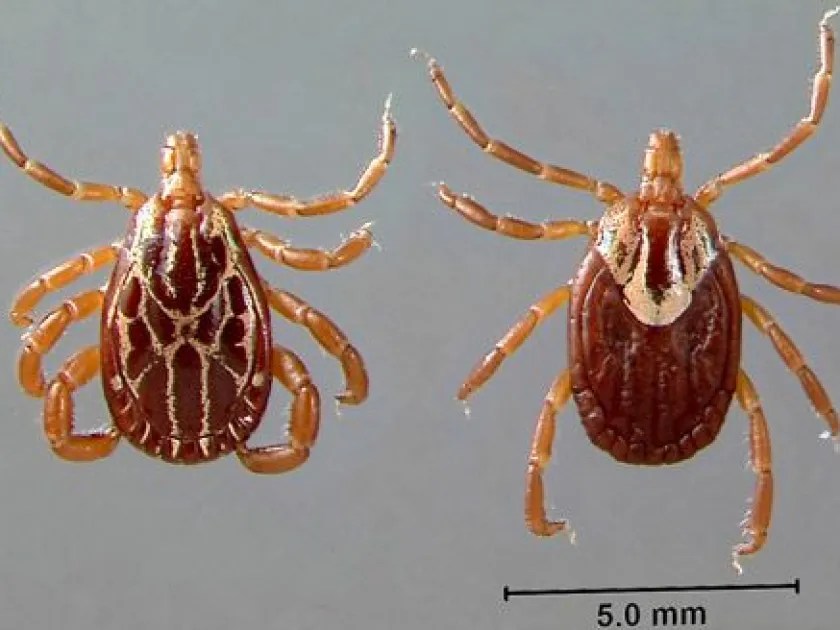
Adult ticks are known for their distinct ornate pattern on the dorsal shield. Males feature a comprehensive shield, while females display a more restricted one, allowing for easy differentiation between sexes.
The tick possesses a characteristically long mouthpart (hypostome), which facilitates deep attachment to the skin of the host. This feature makes them particularly difficult to remove manually without professional tools.
The life cycle involves four distinct stages: egg, larva, nymph, and adult. Each mobile stage is parasitic and must feed on blood to progress into the subsequent developmental stage.
Identification in the field involves examining the dorsal markings and the structure of the mouthparts, which are distinct compared to other common tick species found in the same regions.
What it damages
While the Gulf Coast tick does not damage crops, it is a severe pest for the livestock industry. It specifically targets cattle, horses, dogs, and various wild ruminants, causing significant animal health issues.
The primary damage results from blood loss and localized tissue trauma. Constant irritation leads to reduced feeding efficiency, stunted growth in young animals, and overall poor condition of the livestock.
The site of attachment often becomes inflamed, leading to potential secondary infections, abscesses, and severe ear deformity, often referred to in veterinary circles as "gotch ear."
This species is a known vector for Hepatozoon americanum, causing canine hepatozoonosis. Additionally, the saliva of this tick contains toxins that can induce paralysis in some host animals.
Economic losses are substantial, stemming from veterinary costs, loss of hide quality, and the decreased productivity of cattle herds during peak infestation months.
When it appears
Activity patterns of the Gulf Coast tick are highly sensitive to temperature and humidity. They are most aggressive during the warmer spring and summer months.
Adult ticks typically peak in activity when temperatures allow for optimal movement within tall grass or brush. They utilize sensory cues to detect passing hosts, waiting patiently on vegetation.
Larvae and nymphs maintain activity during favorable moisture conditions. Their ability to survive in the environment for extended periods makes them persistent pests on open grazing lands.
Seasonality dictates management schedules, as cattle are most vulnerable during the peak emergence of adults. Strategic grazing management is often aligned with these seasonal trends.
Environmental factors, particularly high humidity, are essential for the survival of the immature stages, which are typically found in protected areas within the vegetation canopy.
Signs of infestation
Common signs of infestation include extreme restlessness in animals, frequent rubbing against posts, and the physical presence of ticks, particularly around the ears, eyes, and flanks.
Heavily infested animals often show signs of physical weakness, anemia, and reduced appetite. A noticeable drop in milk production or weight gain is a common indicator of infestation.
Examination of the ears often reveals swelling, thickening of the tissue, and necrotic lesions resulting from the deep penetration of the long mouthparts.
In cases of severe infestation, secondary bacterial infections in the bite wounds can cause a foul odor and discharge, requiring immediate veterinary attention.
Farmers can monitor the herd by performing regular visual checks, especially focusing on sensitive areas of the hide where ticks are most likely to congregate.
Control measures
Management of the Gulf Coast tick relies on the consistent use of acaricides. These can be administered via topical sprays, pour-ons, or medicated ear tags designed for long-term protection.
Land management, such as controlled burning or mowing tall grasses and brush, effectively reduces the habitat available for ticks to quest for hosts.
Rotational grazing practices are highly effective in breaking the tick's life cycle. By moving livestock away from infested pastures, the tick population loses its necessary hosts.
- Use of acaricide-impregnated ear tags.
- Regular inspections of all new herd arrivals.
- Strategic removal of brush from grazing areas.
- Veterinary-prescribed systemic treatments for heavy infestations.
An integrated pest management approach that combines chemical treatments with sound pasture hygiene is the most sustainable way to protect herd health from these parasites.
Taxonomy
- Latin name
- Amblyomma maculatum
- Family
- Ixodidae
- EPPO code
- AMBYMA
Discussion
No discussions yet — be the first.