
Watermelon mosaic
Watermelon mosaic
Watermelon mosaic virus (WMV) is a plant pathogenic virus belonging to the genus Potyvirus, family Potyviridae. It is an obligate parasite that relies entirely on the host plant's cellular machinery to replicate its genetic material.
What the section contains
Watermelon mosaic
The virus persists in perennial weeds, especially those within the Cucurbitaceae and Fabaceae families, which act as primary reservoirs for the infection during the off-season.
Transmission occurs in a non-persistent manner, primarily mediated by aphid species such as the melon aphid, which can acquire and transmit the virus within seconds of feeding.
The virus is characterized by a very wide host range, making it one of the most challenging viral pathogens for vegetable growers worldwide to manage effectively.
Unlike some other seed-borne viruses, Watermelon mosaic virus is not transmitted through the seeds of host crops, but rather through insect vectors and mechanical contact during farming operations.
The virus primarily affects crops in the Cucurbitaceae family, including watermelon, melon, cucumber, squash, and pumpkin, causing significant physiological stress to the plants.
The most severe impact is seen in fruit development, where infected plants produce deformed, discolored, and stunted fruits that lack marketability and consumer appeal.
Early-stage infection leads to significant biomass loss, reduced internode length, and stunted growth, effectively lowering the overall potential yield of the affected crop.
Infected plants become more susceptible to secondary pathogenic infections and environmental stressors such as heat and water deficiency, leading to premature plant death.
The economic losses are significant, driven by the combination of yield reduction and the increased costs of chemical and mechanical pest management programs.
The disease spread is highly correlated with the seasonal population dynamics of aphids, typically peaking during the mid-summer growth and flowering phases of cucurbits.
Favorable weather conditions, such as warm temperatures and moderate humidity, accelerate the life cycles of insect vectors, leading to rapid spread across large fields.
Early spring is a critical time for monitoring, as winged aphids migrate from perennial reservoir hosts to newly emerged crop seedlings, initiating the seasonal infection cycle.
The rate of viral spread within a field is determined by the immigration frequency of aphids; higher migration rates lead to faster and more widespread distribution of the pathogen.
As temperatures drop in autumn, the vector activity decreases, though the virus remains in the root tissues of persistent weed hosts, waiting for the return of warmer conditions.
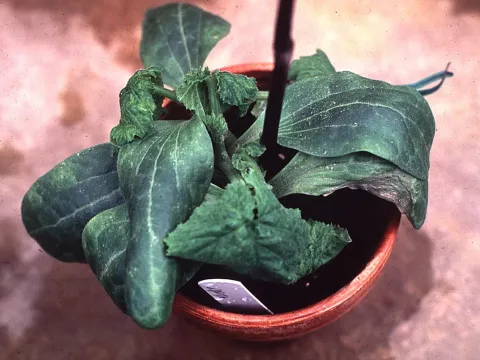
The most visible symptom is a distinct mosaic pattern on the foliage, characterized by alternating patches of light and dark green leaf tissues.
Leaves often exhibit severe deformation, including crinkling, cupping, or even narrow, shoestring-like shapes, which interfere with normal photosynthesis.
Fruits infected with the virus are typically lumpy, mottled, and irregular in shape, rendering them unsuitable for sale as premium agricultural products.
The plants exhibit a stunted, bushy appearance because of shortened internodes and inhibited apical growth, clearly distinguishing them from healthy, vigorous plants.
- Mosaic leaf patterns
- Leaf tissue deformation
- Lumpy and discolored fruits
- Reduced plant growth
Managing the aphid population through the judicious use of systemic and contact insecticides is the primary method for preventing the initial viral inoculation.
Maintaining a clean field environment by removing perennial weeds and volunteer crops serves as a critical barrier against reservoir host survival.
Applying reflective mulches can help deter aphids from landing on young seedlings, providing a non-chemical layer of protection in the early stages of growth.
Where available, selecting and planting virus-resistant or tolerant crop varieties is the most sustainable long-term strategy for managing the disease.
Strict hygiene protocols, including the sterilization of pruning tools and immediate roguing of infected plants, are essential to limit secondary spread within the planting area.